

Are Chevrolets reliable?
50% of the 320 Chevrolets we inspected scored 60/100 or higher, averaging 57/100 — below the 62/100 average for all cars we inspect.
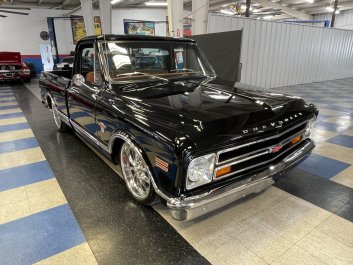
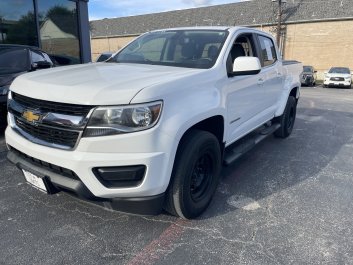
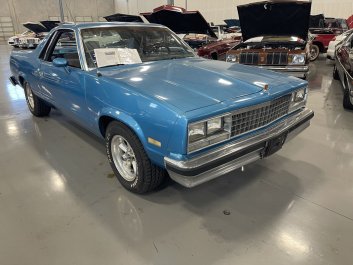
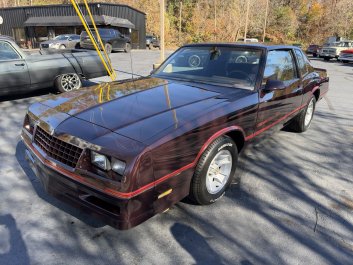
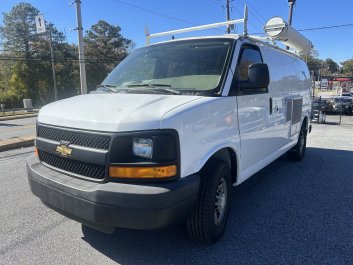
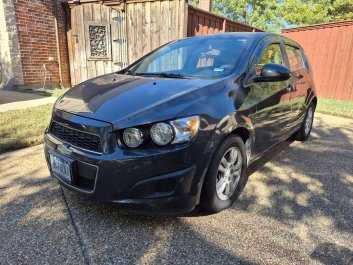
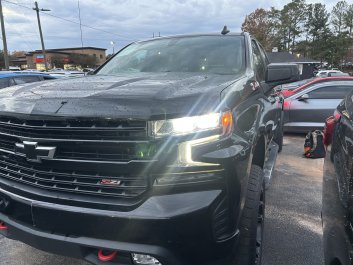
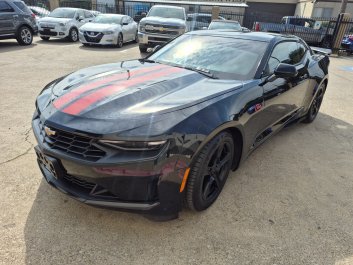
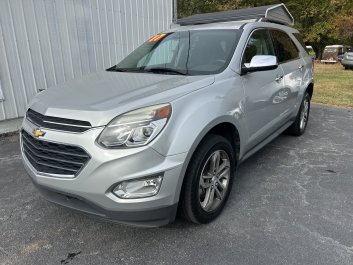
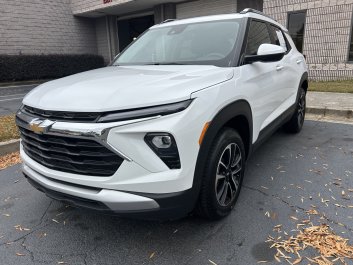
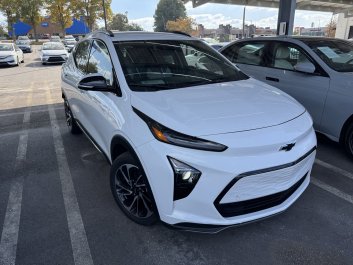
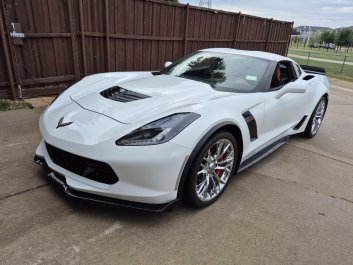
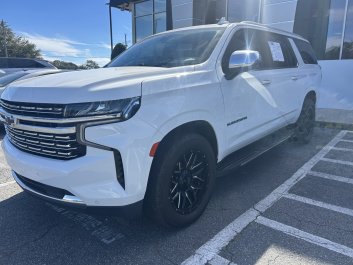
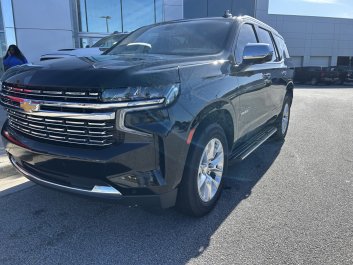
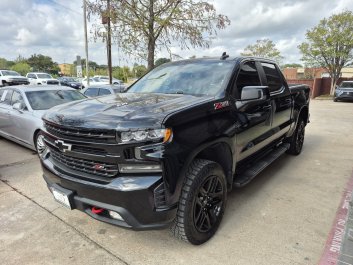
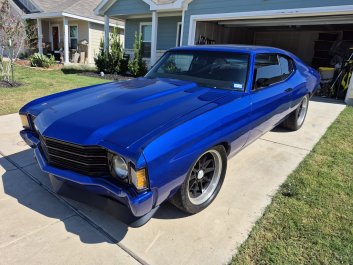
We analyzed 320 used Chevrolets during CarAdvisors pre-purchase inspections, revealing 1,571 mechanical, 428 electronic, and 1,622 body issues.
Using this data we rated Chevrolet cars two ways:
- Longevity is how far the average car goes before its condition drops below decent (55/100): ~96k miles for Chevrolet, 19th of 25.
- Integral Reliability Index (IRI) also counts how far above decent the cars stay along the way, so it rewards brands that stay in good shape, not just ones that last: Chevrolet scores 1,330, 18th of 19 makes with enough data.
In short, Chevrolets don't last as long as most brands we rate, and they spend less of that life in good shape than most.
Compare with another brand:
Cross-shopping? Chevrolet vs Toyota · Chevrolet vs Honda · Chevrolet vs Ford
Chevrolet reliability and longevity
Chevrolets we inspected average 76/100 under 30k miles and reach decent condition (55/100) at about 96k miles. At 100k miles, the average Chevrolet scores 53/100, below the 58 average for all cars. Shopping a Chevrolet with 30–70k miles? That's where condition drops fastest, so a pre-purchase inspection matters most there.
- Chevrolet average condition
- All cars
- IRI = area above 55
The IRI is the area between a brand's condition curve and the decent-condition line (55), from the cars we inspected out to the mileage where its average crosses 55. Unit: condition points × 1,000 miles. Higher means cars stay further above decent condition, for longer.
Good car percentage
Share of Chevrolets we inspected that scored 60/100 or higher, by mileage. Under 50k miles, 78% of Chevrolets were in good shape; at 100–150k it drops to 33%, versus 37% for all cars. Past 80k miles, fewer than half of the Chevrolets we inspect are in good shape.
Good cars by mileage
- Chevrolet
- All cars
Share of Chevrolets we inspected that scored 60/100 or higher, by age. 82% of Chevrolets up to 5 years old were in good shape, versus 32% at 10+ years (37% for all cars at 10+). After about 9 years, fewer than half are in good shape.
Good cars by age
- Chevrolet
- All cars
Is Chevrolet getting better?
▼ Newer Chevrolets aren't holding up as well
- Chevrolet
- All cars
Share of Chevrolets in good shape (60+/100) when inspected at the same age — 5–10 years old, age-adjusted — by model-year generation; the dashed line is the all-brand average. Compare every brand's trajectory →
Chevrolet models we've inspected
Silverado
53 cars · 55% good
Corvette
59 cars · 54% good
Tahoe
22 cars · profile soon
Express
22 cars · profile soon
Camaro
22 cars · profile soon
Equinox
18 cars · profile soon
Suburban
14 cars · profile soon
Malibu
12 cars · profile soon
Cruze
11 cars · profile soon
Impala
10 cars · profile soon
Recently inspected:
1970 Chevrolet C10 · 2k mi — flagged: oil leaks. Inspected Nov 18.
2020 Chevrolet Colorado · 87k mi — flagged: body control module. Inspected Nov 18.
Most common faults
From 1,999 technical issues, these are the most common ones for used Chevrolets, with examples of actual findings and real photos from inspection reports.
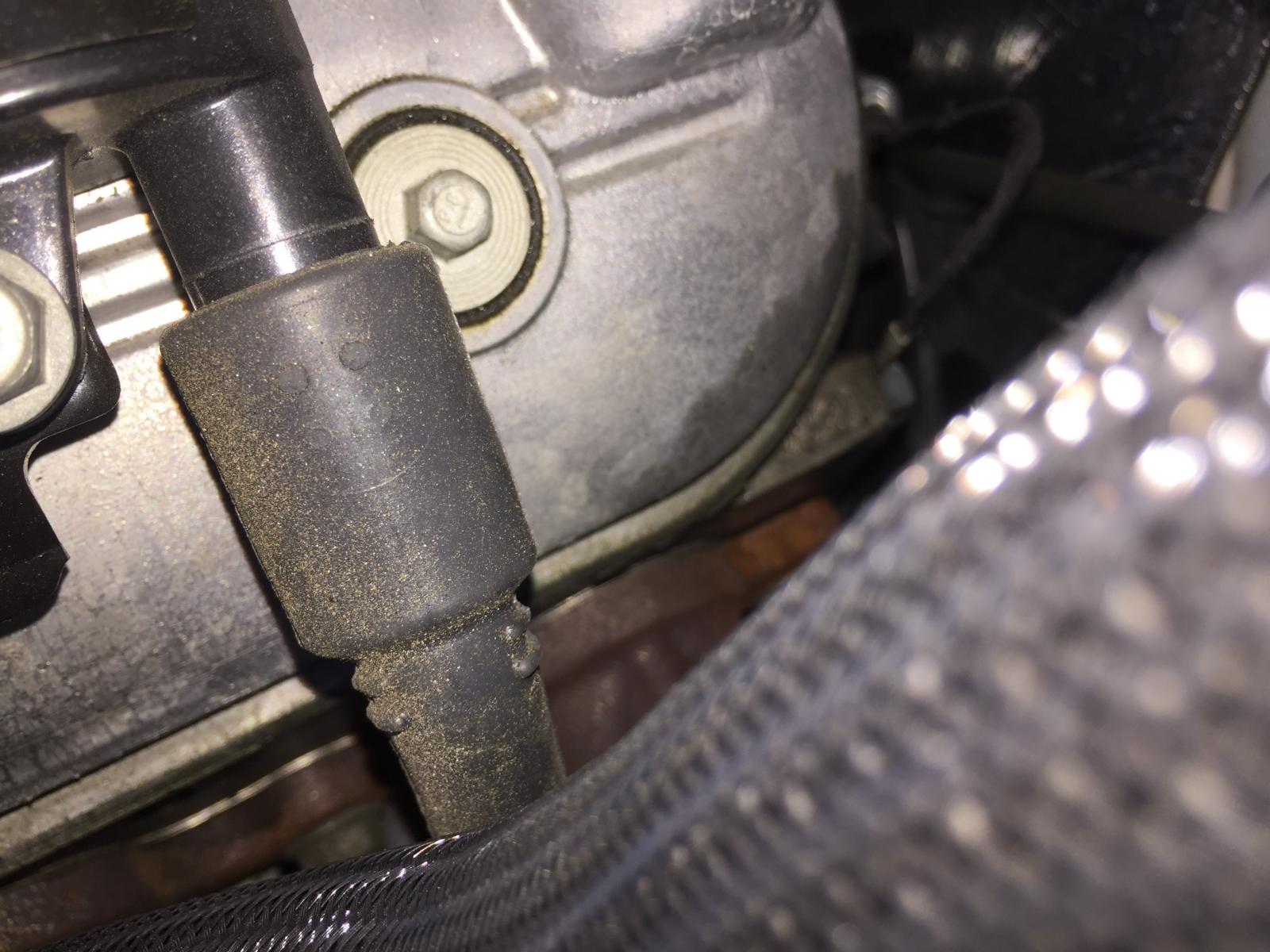
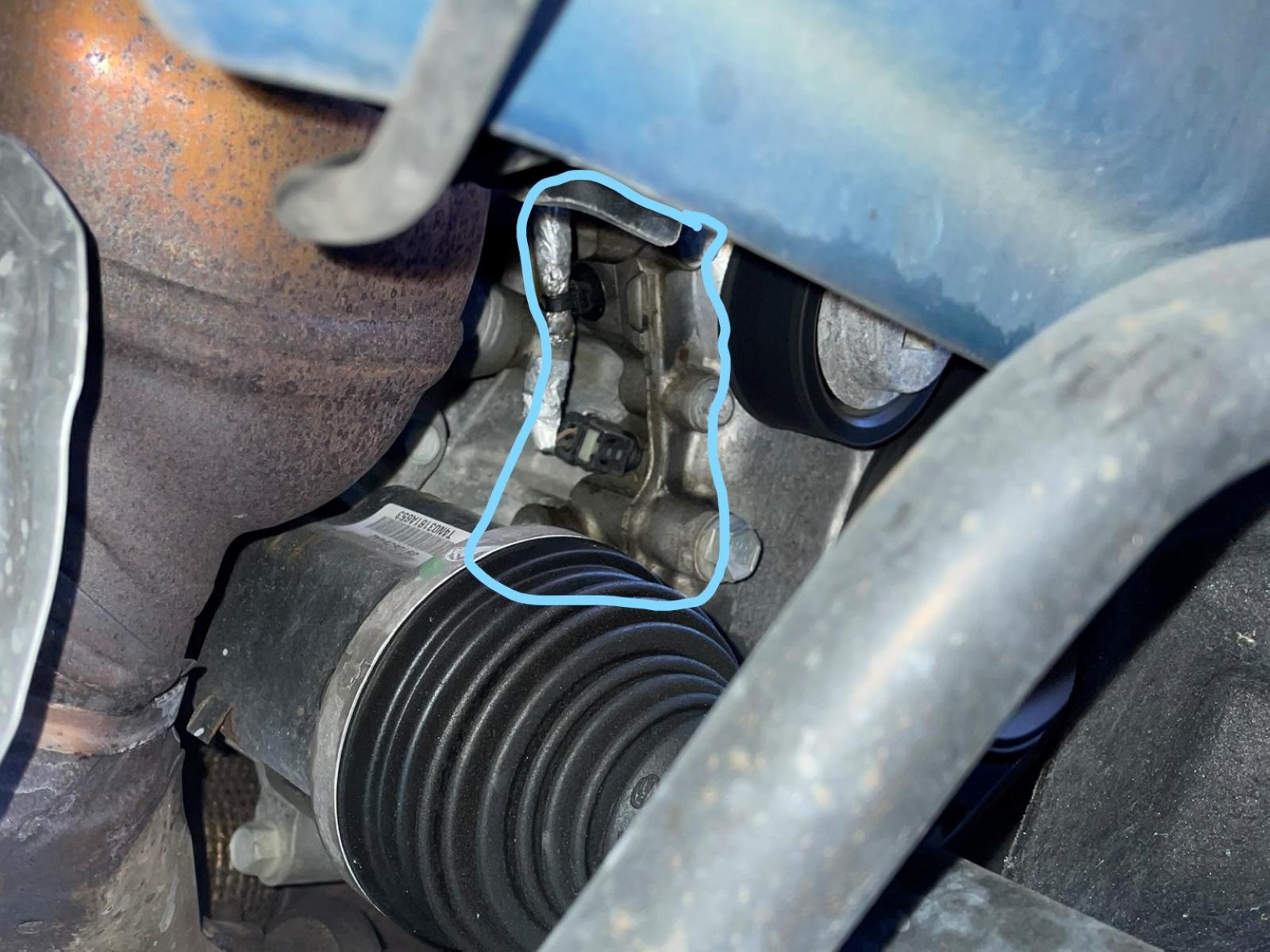
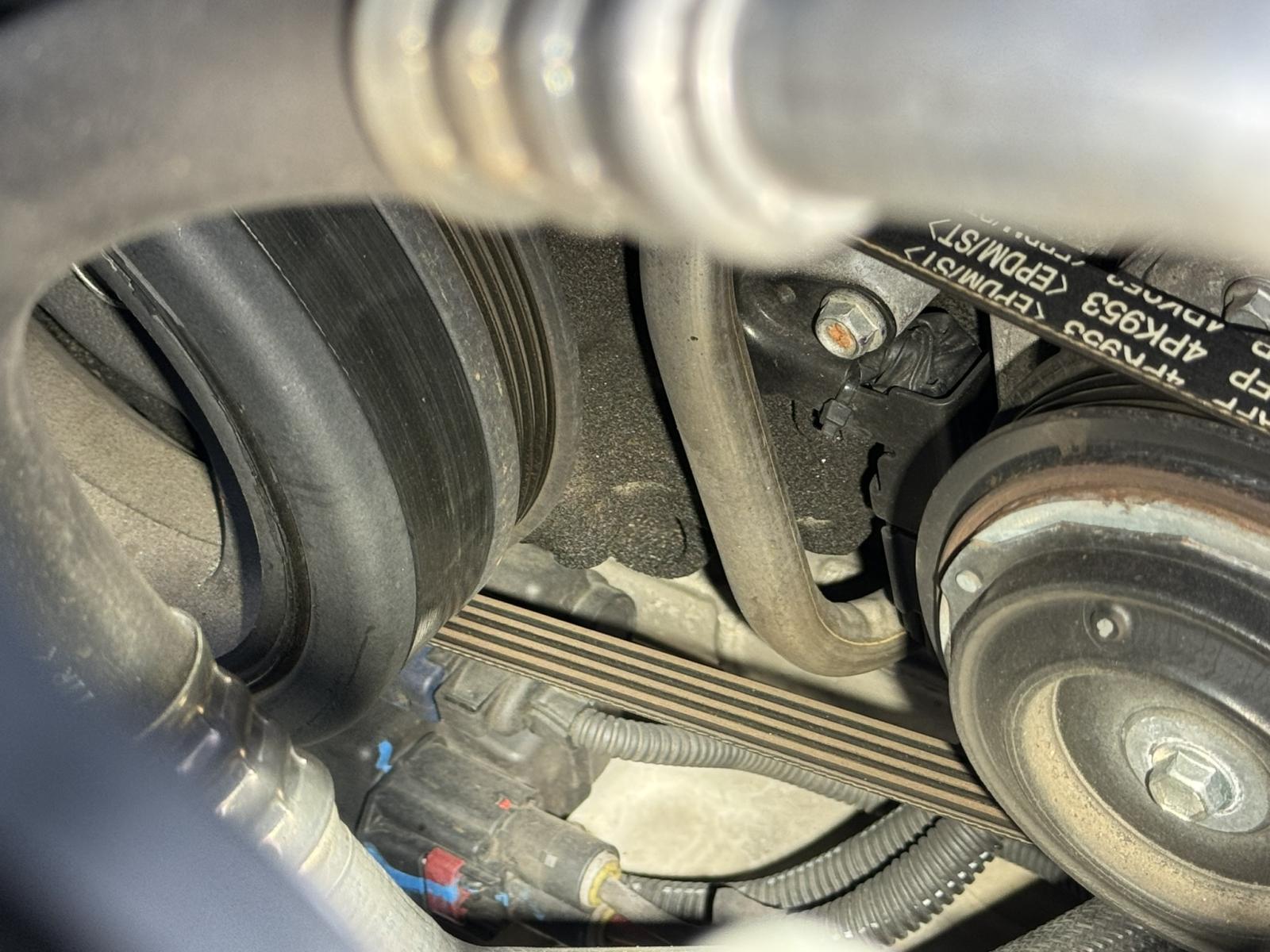
Oil leaksEngine 51%
Engine oil leaks are not cheap to fix, but, in most cases, they can't affect the car's reliability. An exception is a head gasket oil leak, which may indicate more serious issues in the future.
Typical findings
- Oil pan leak
- Timing chain cover oil leak
- Valve cover gasket oil leak
Fuel trim out of rangeEngine 41%
The main factor that shows a general condition of the engine: intake, fuel, ignition systems. Ideally, it should be around 0% which means that all system work as expected. Acceptable fluctuation +/-5%. Bigger values indicate that ECU had to increase or decrease fuel injection due to some issues in order to keep the optimum air-fuel ratio.
Readings we found: -38.2% to +25.0%
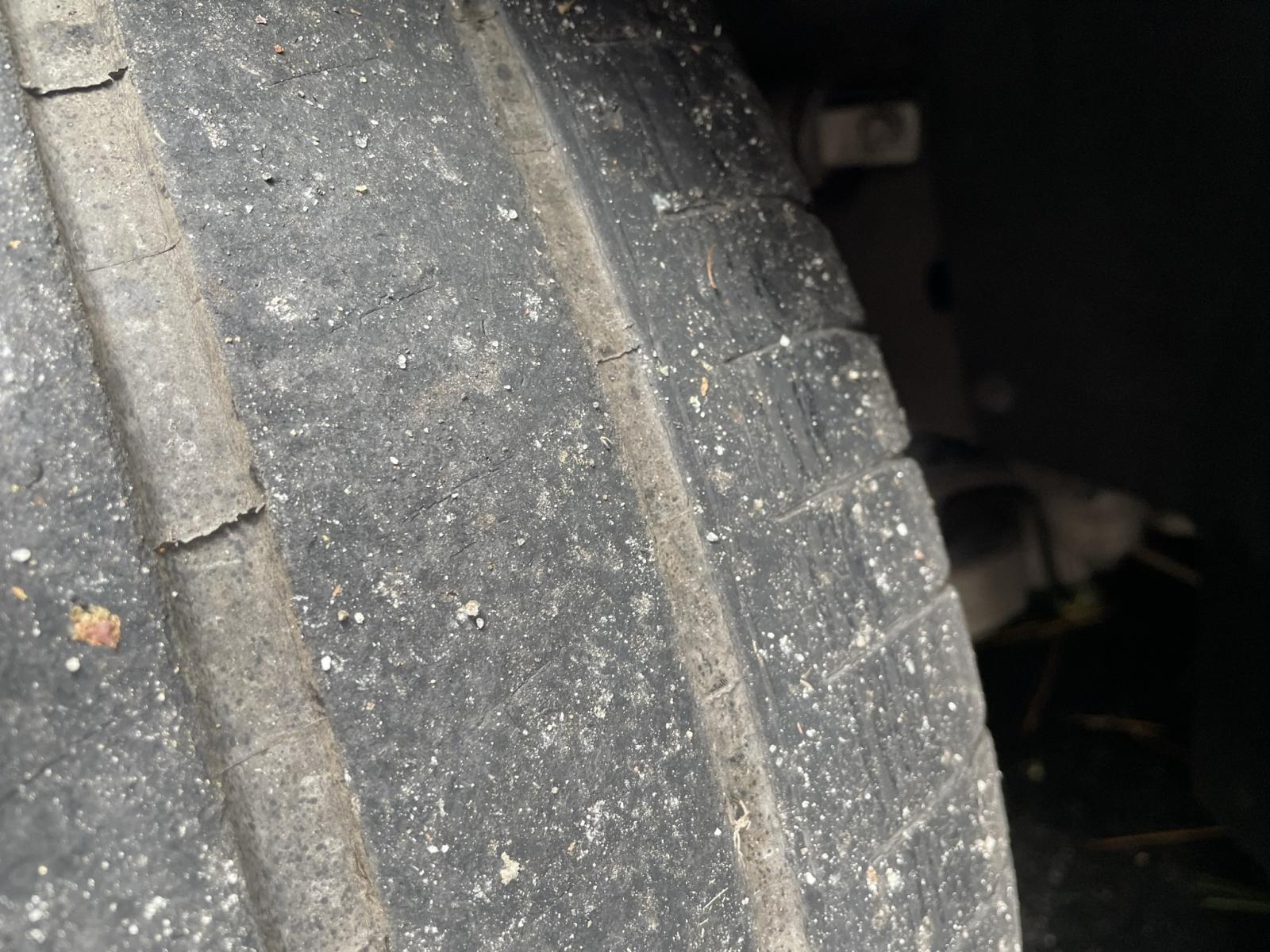
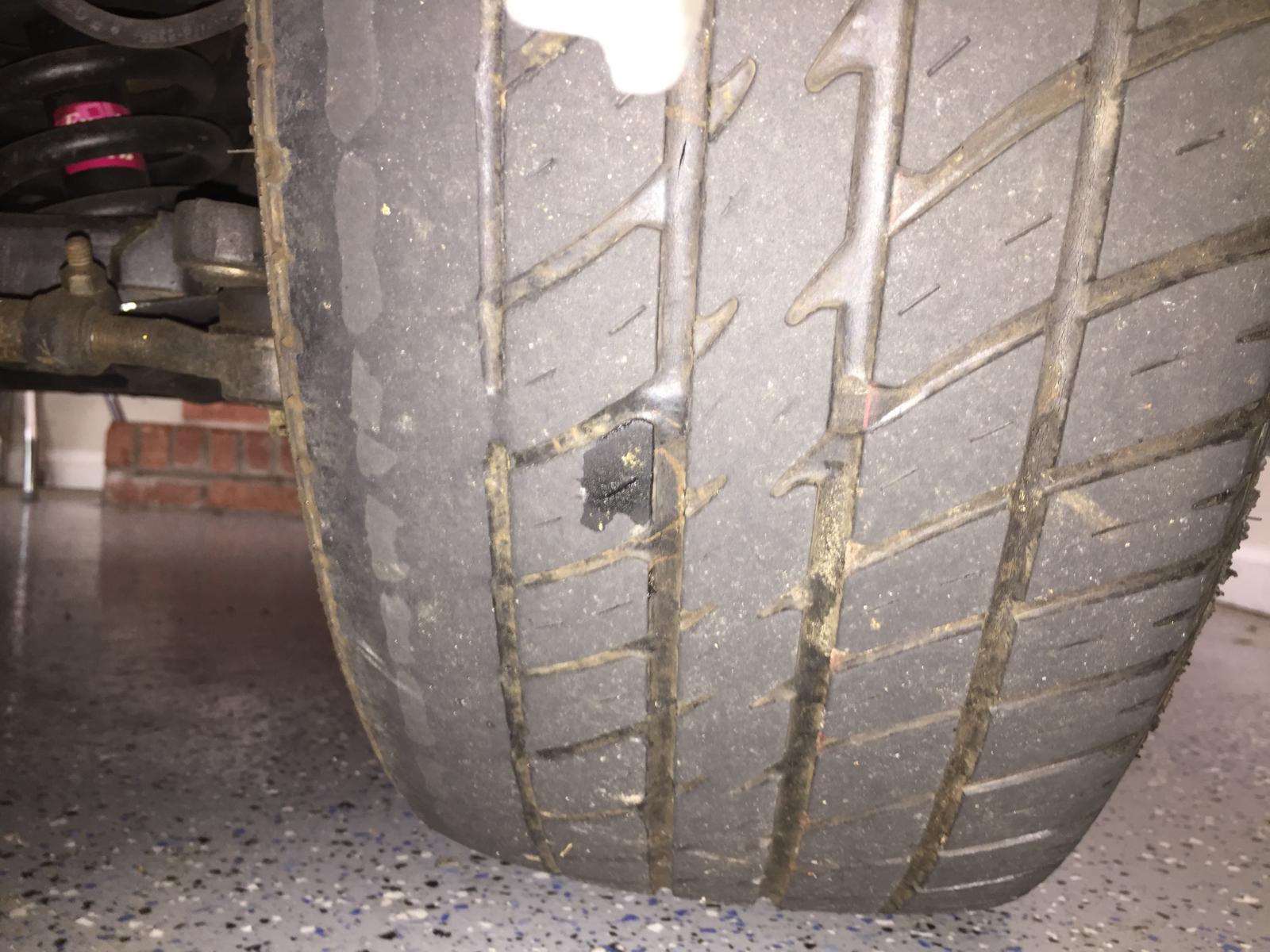
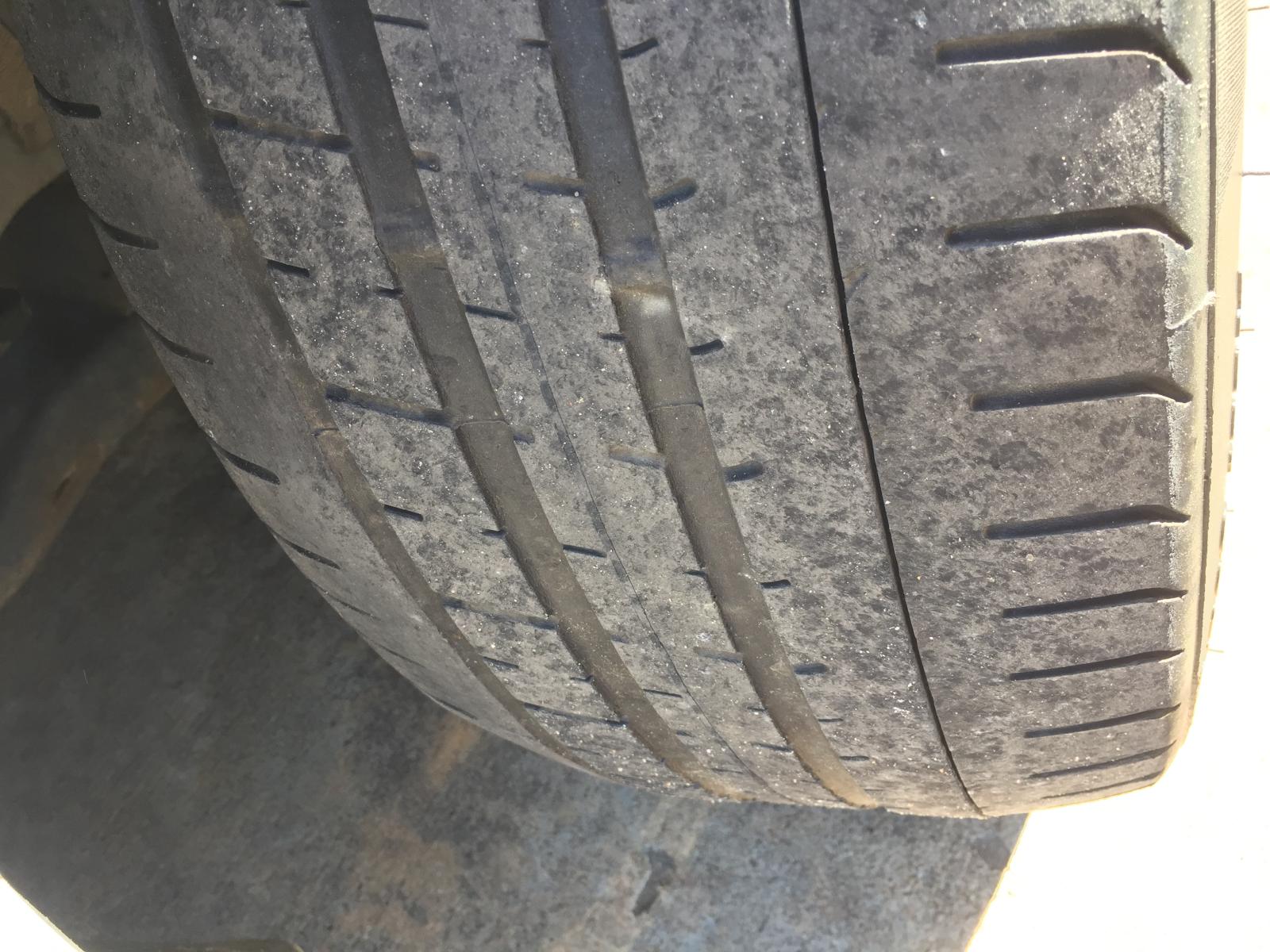
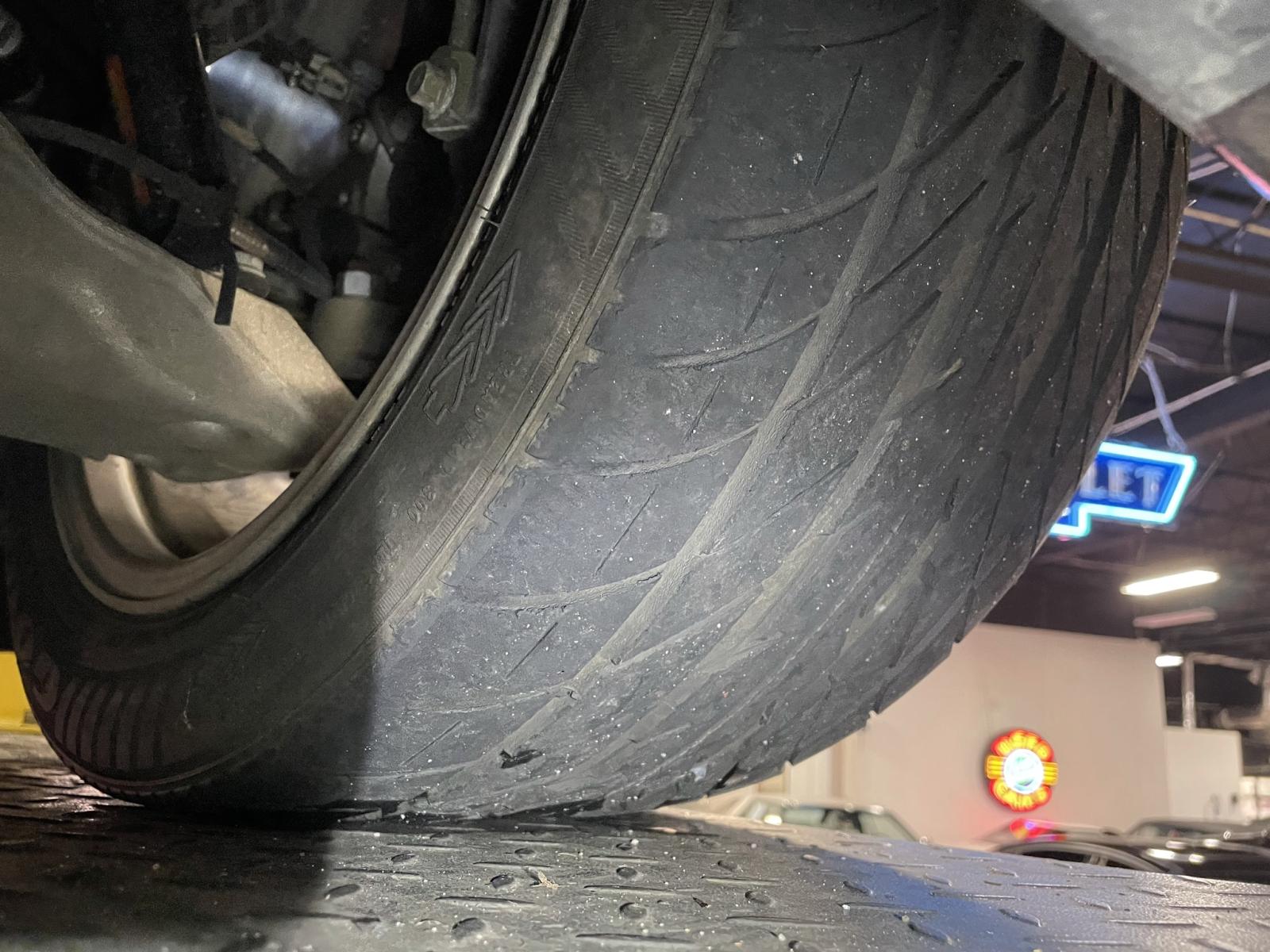
Tires condition & wearBrakes and tires 35%
The overall condition and remaining tread of the tires, including uneven or excessive wear. Worn or mismatched tires are an immediate cost, and an unusual wear pattern often reveals an alignment or suspension problem underneath.
Typical findings
- Tires need replacement
- Rear tires are different
- Front tires are different
Active error codesElectronic equipment 26%
An active error code is a fault the car's computer reported during the scan and that was still present, not an old code sitting in memory. It can be a warning light or a lost sensor, and some of these are a repair worth pricing before you buy.
Typical findings
- Tire-pressure sensor fault
- License plate lamp circuit
- Mass air flow sensor performance
Low coolant / cooling system issuesEngine 24%
In most cases, cooling system issues are not expensive to fix, but ignoring them can cause engine overheating, leading to major problems like a blown head gasket or even damaged piston rings.
Typical findings
- Low coolant level
- Coolant level below the minimum
- Radiator leak
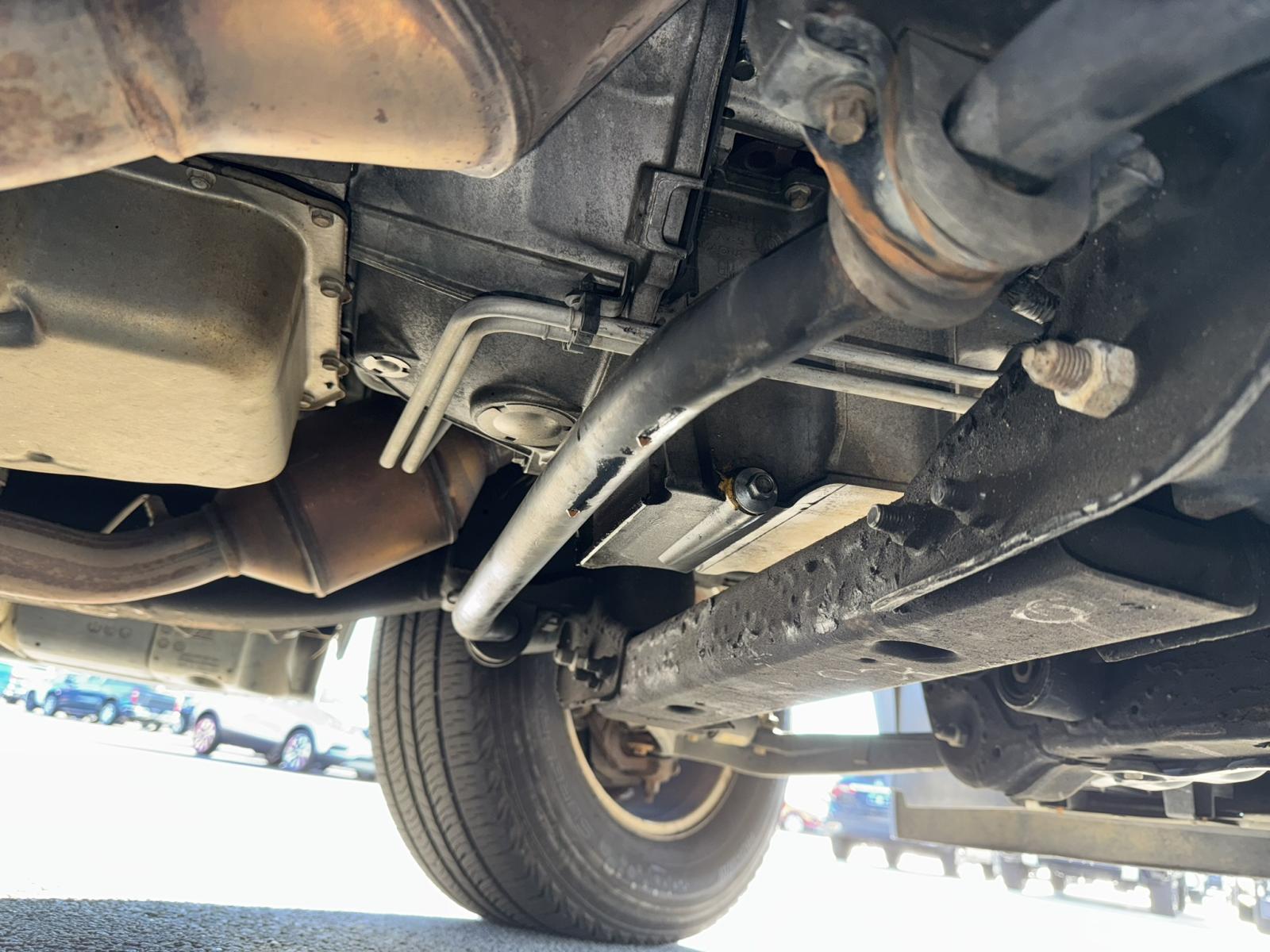
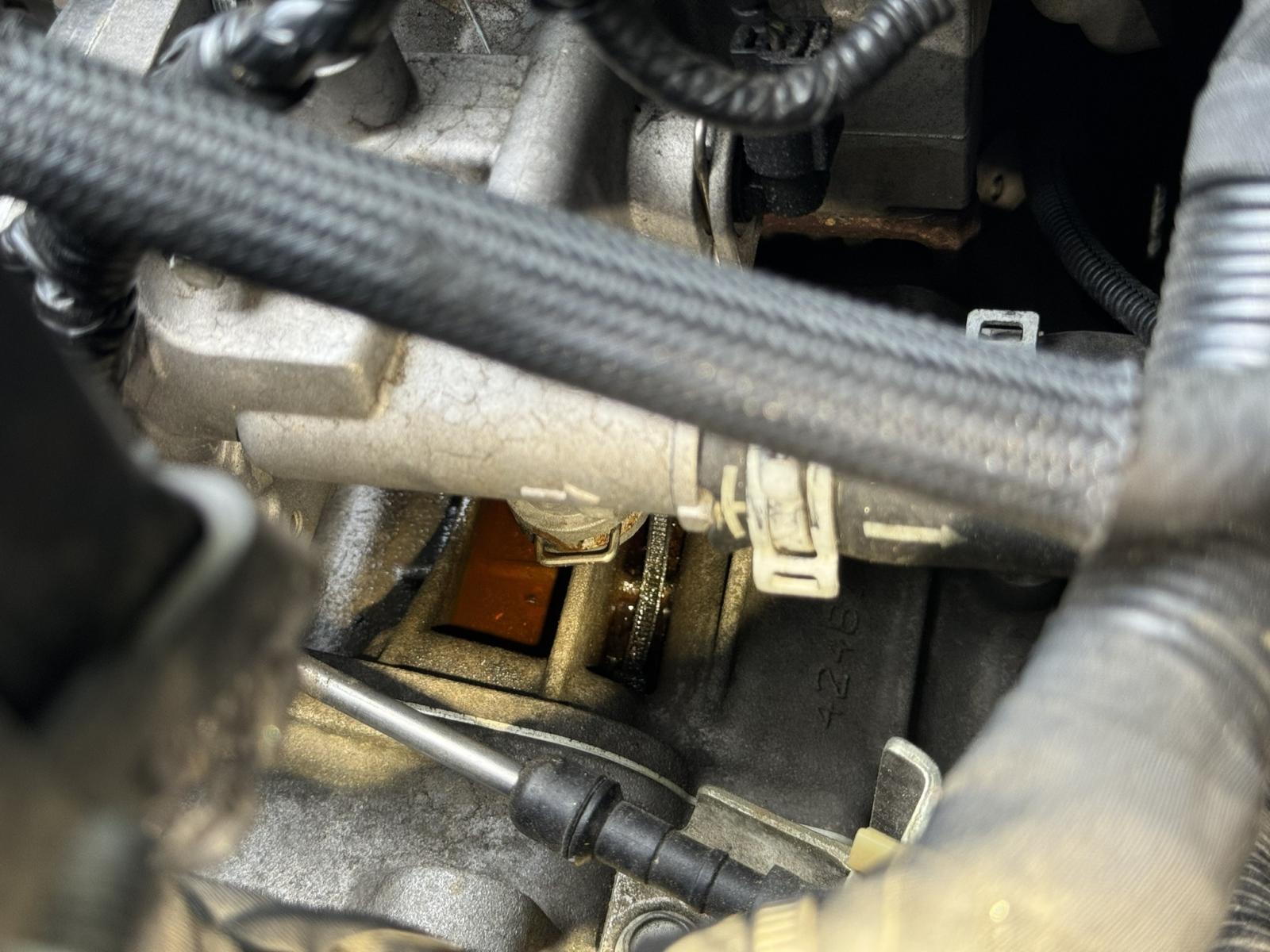
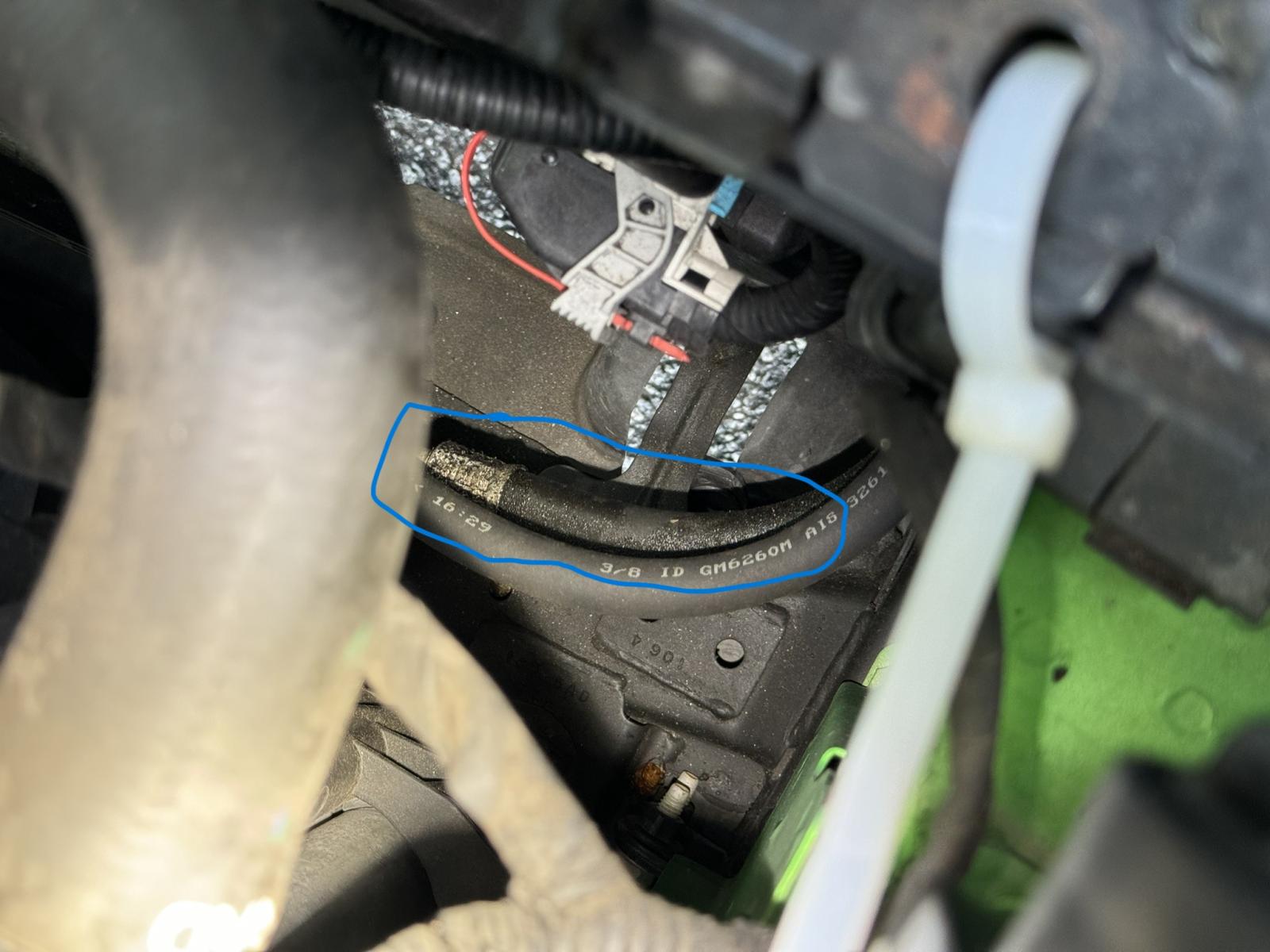
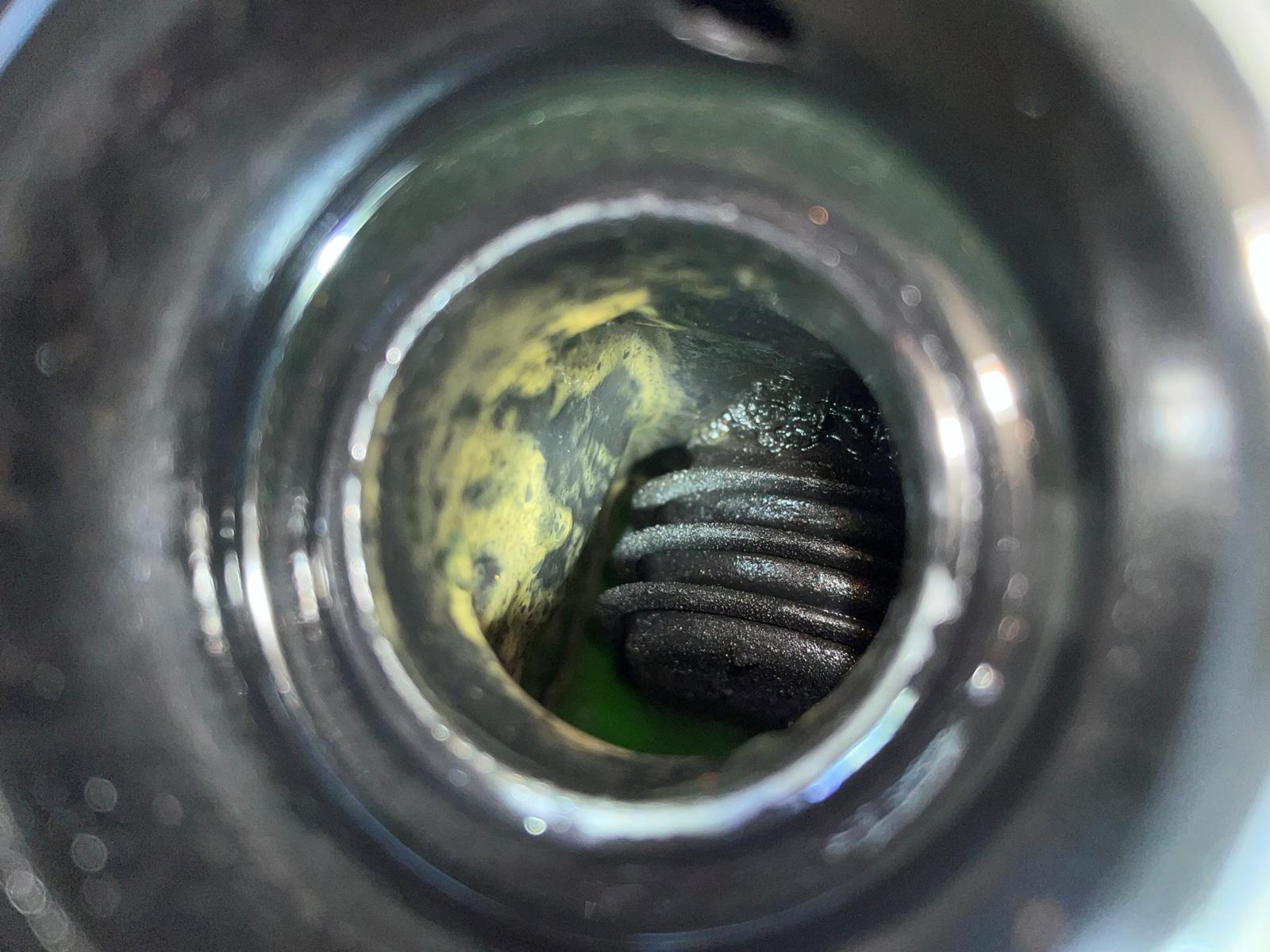
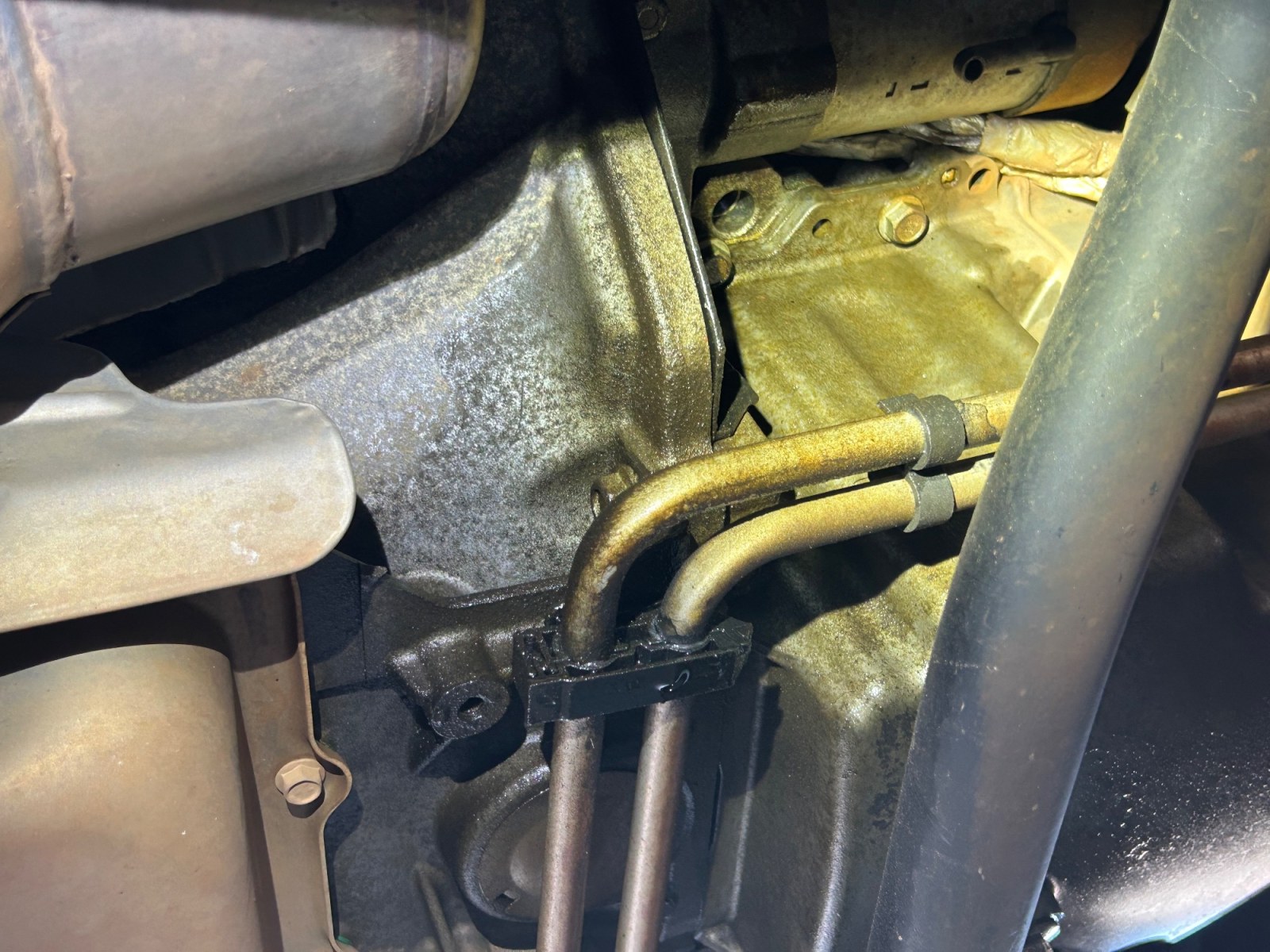
Oil leaksAutomatic transmission 23%
Leaks of transmission fluid, usually from the pan gasket, seals or cooler lines. Running low from an untreated leak is a common cause of harsh shifting and, eventually, expensive transmission failure.
Typical findings
- Oil pan leak
- Cooling line hose leak
- Driveshaft seal leak
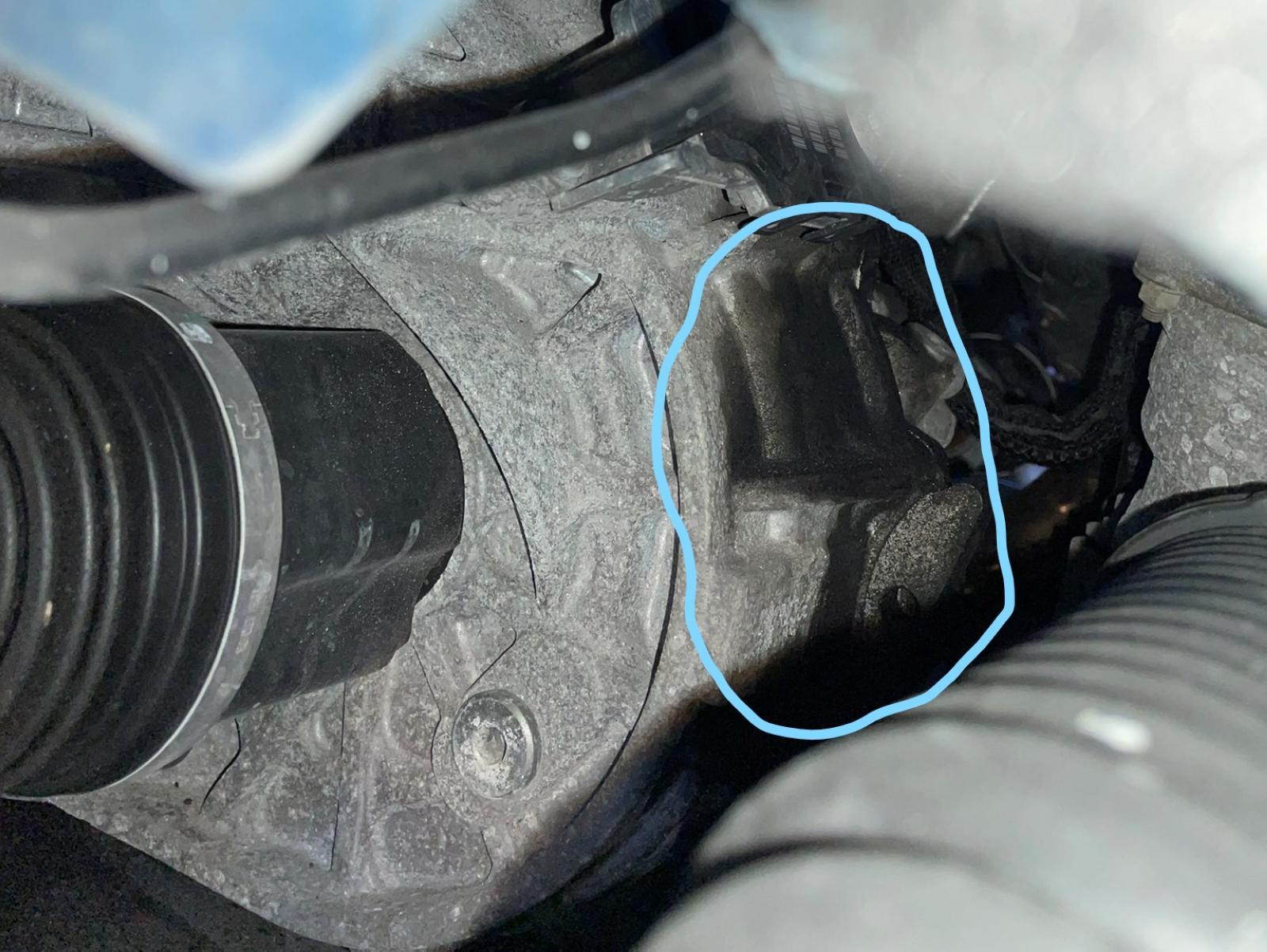
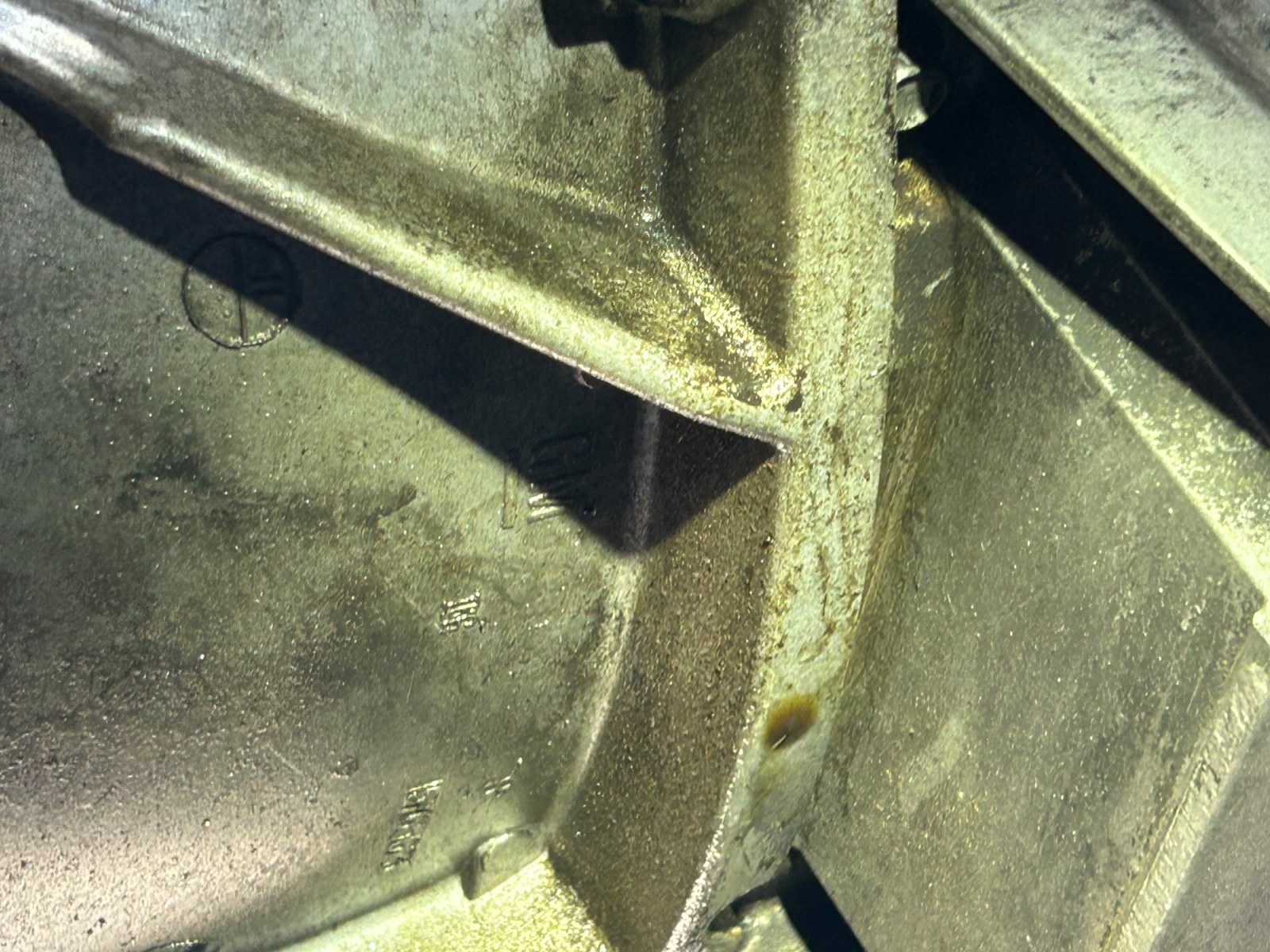
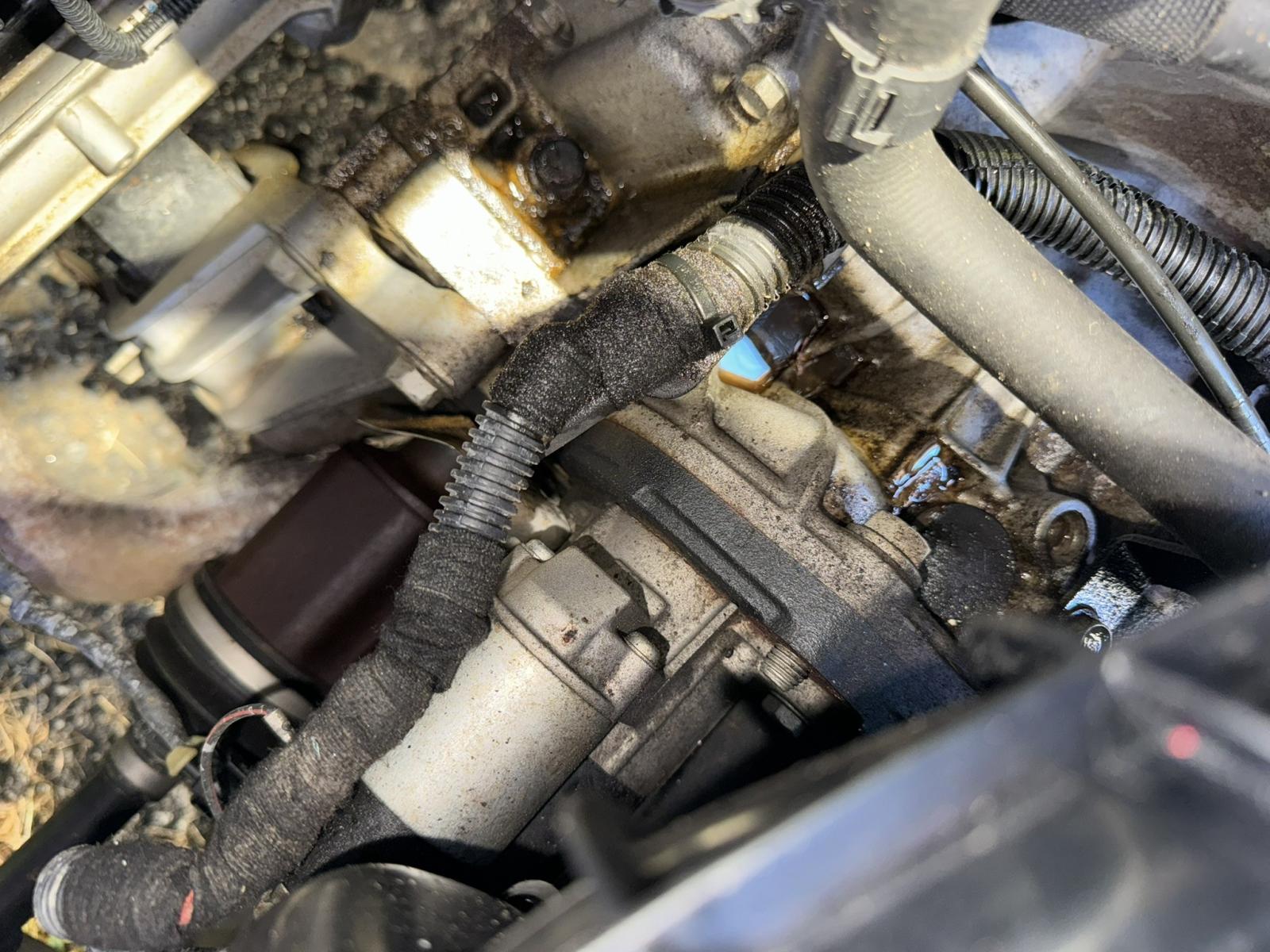
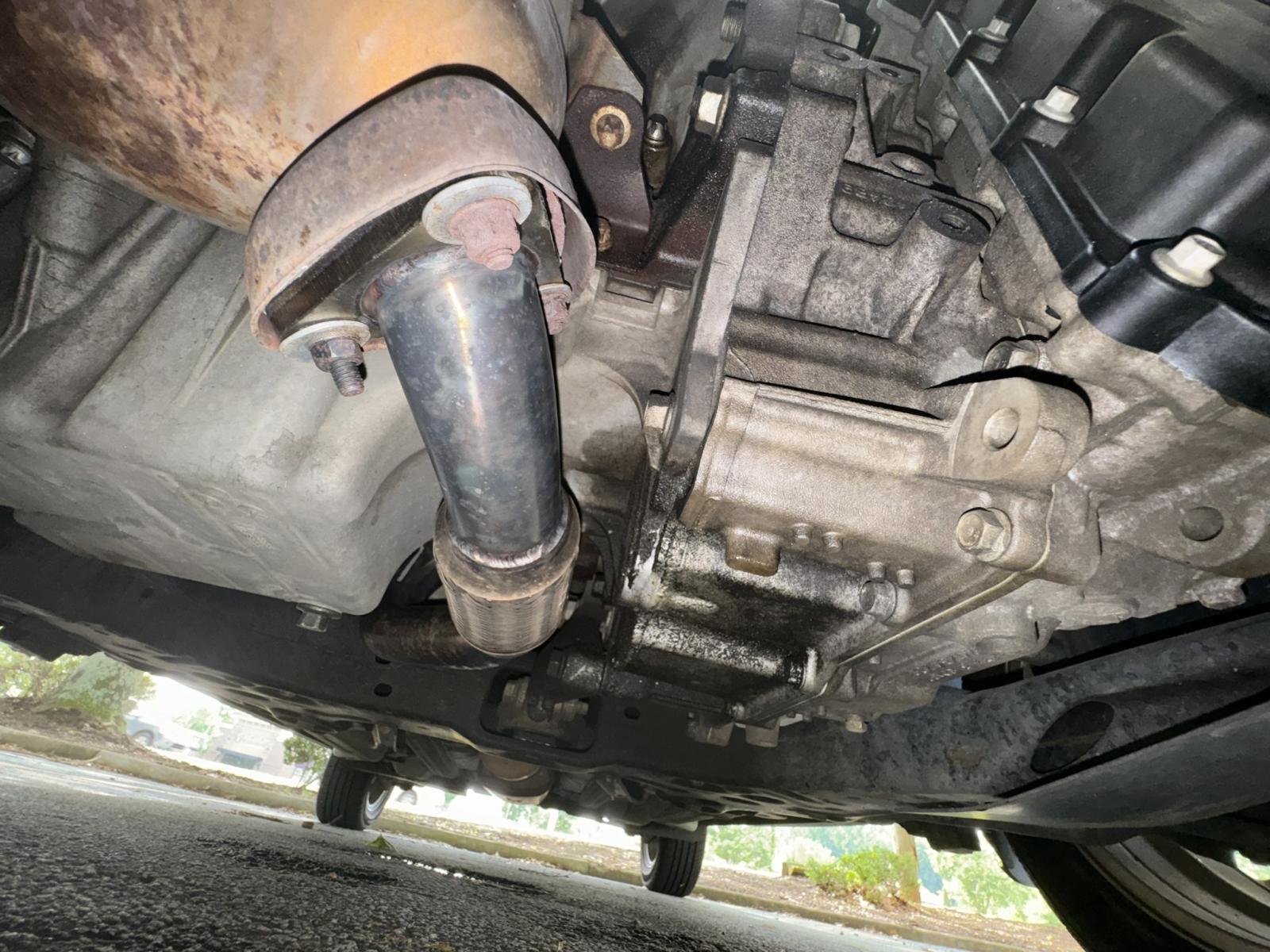
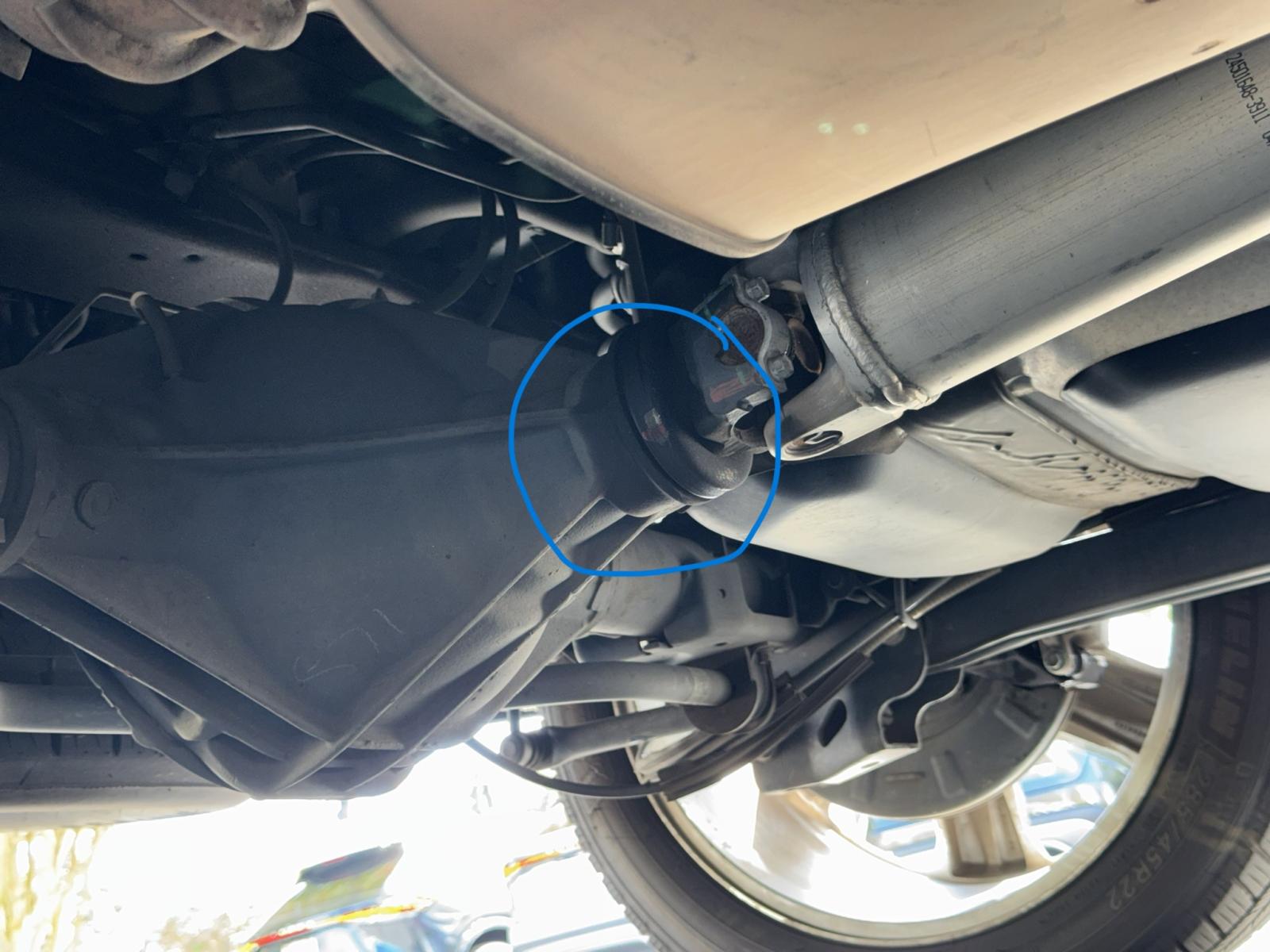
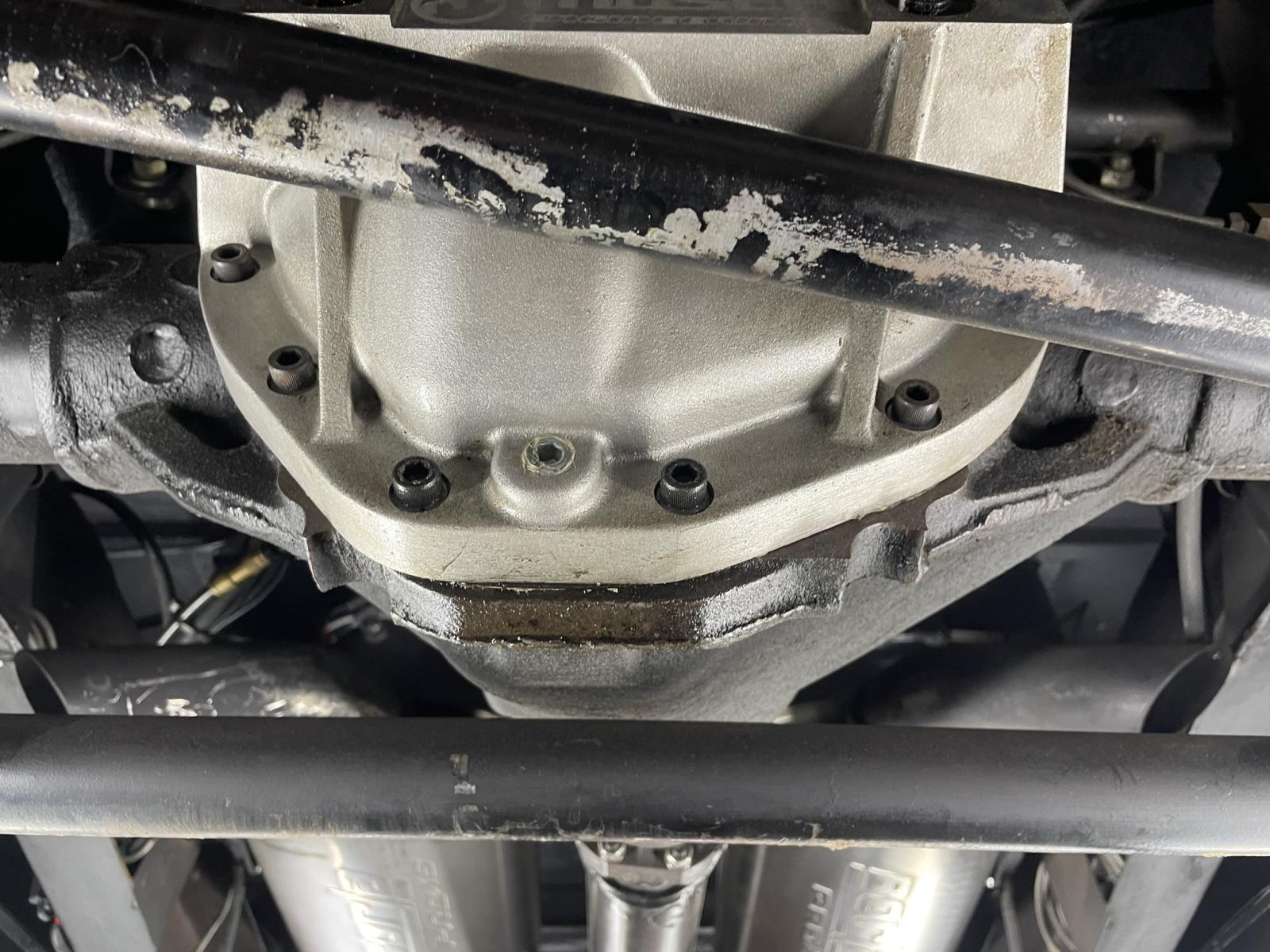
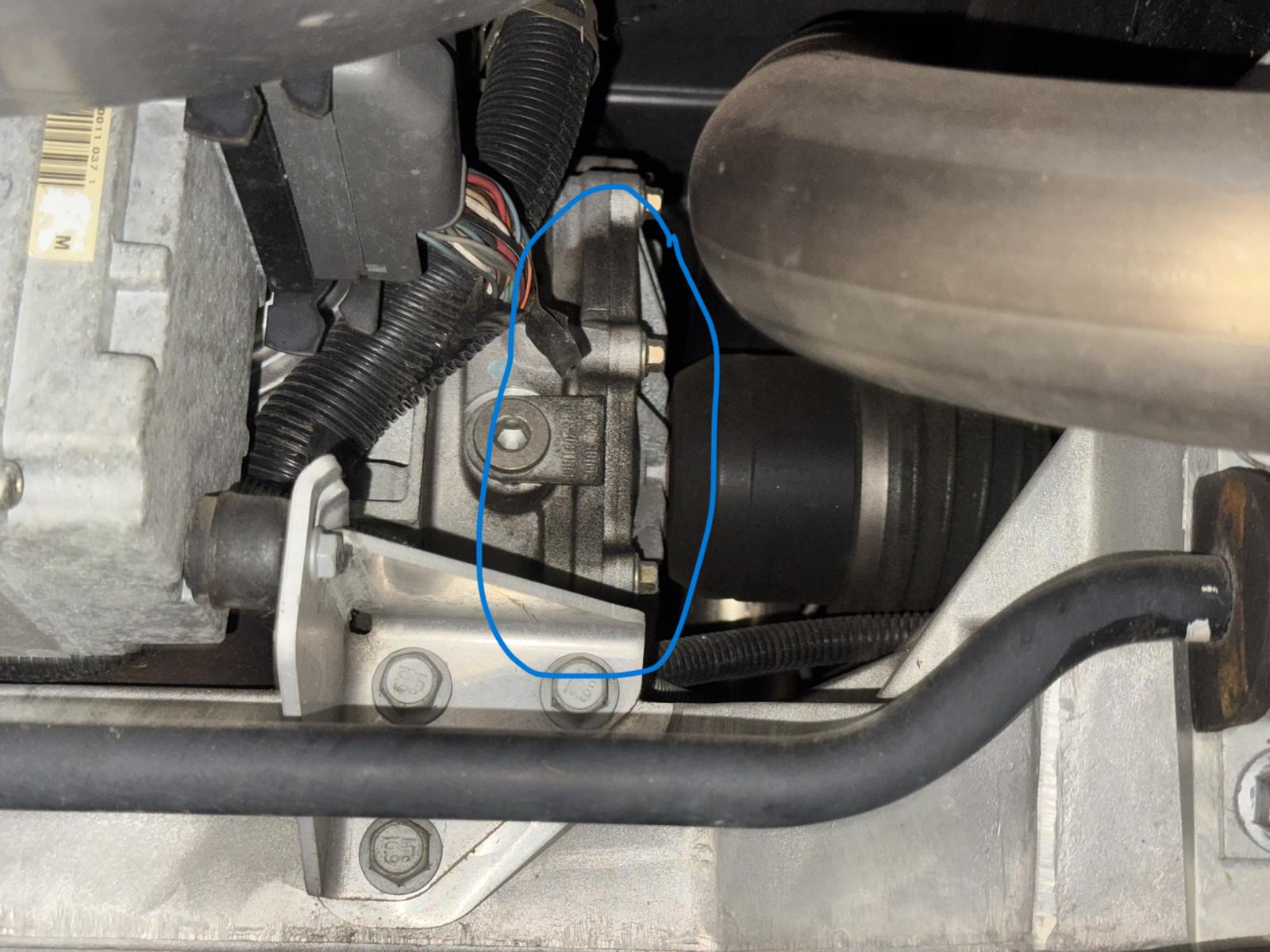
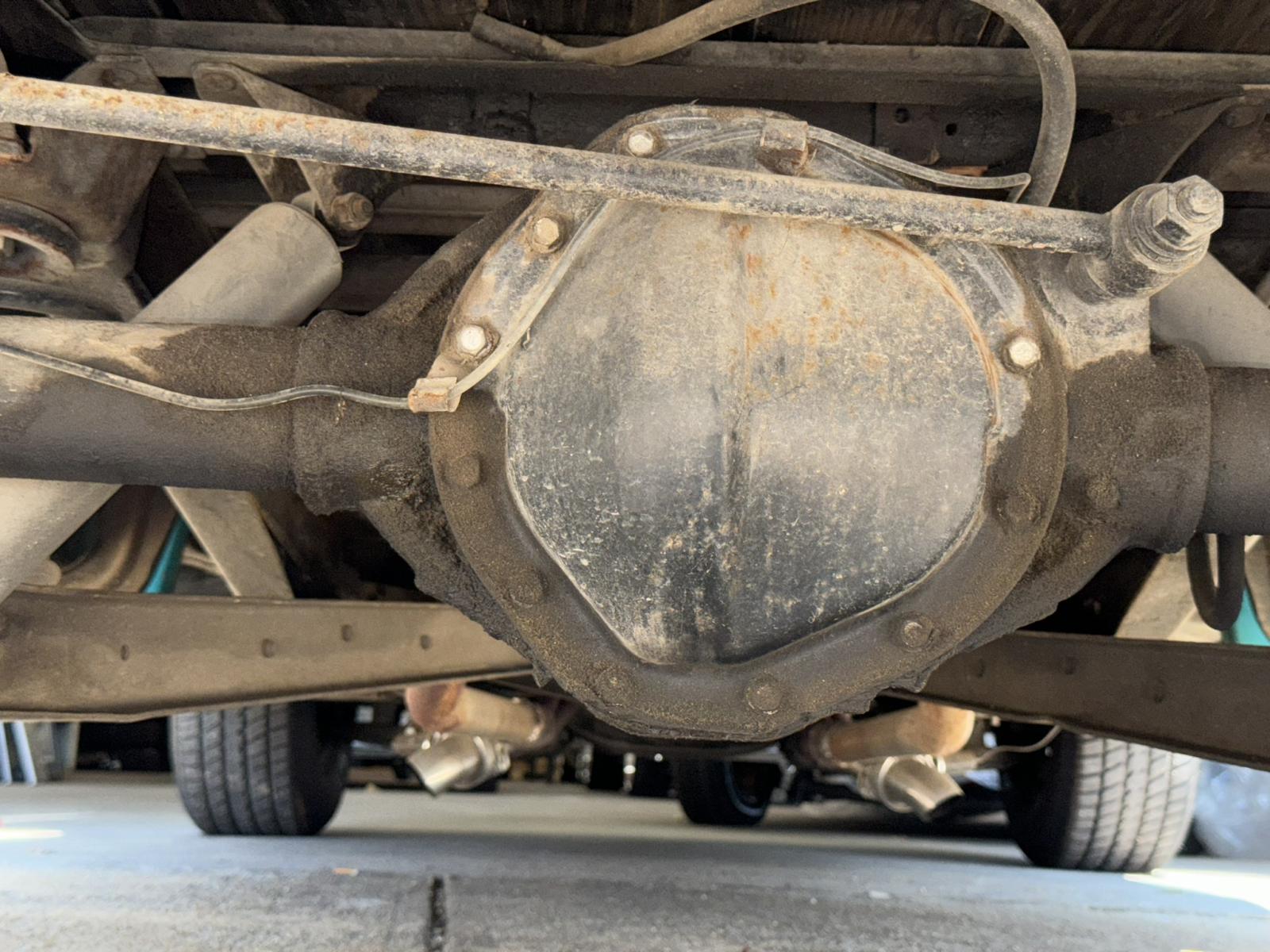
Oil leaksDrivetrain 17%
Leaks from the differential, transfer case or axle seals. Losing oil from these units accelerates wear and, if run dry, can cause expensive failure.
Typical findings
- Rear differential oil leak
- Oil residue on the rear differential
- Rear differential - driveshaft seal oil leak
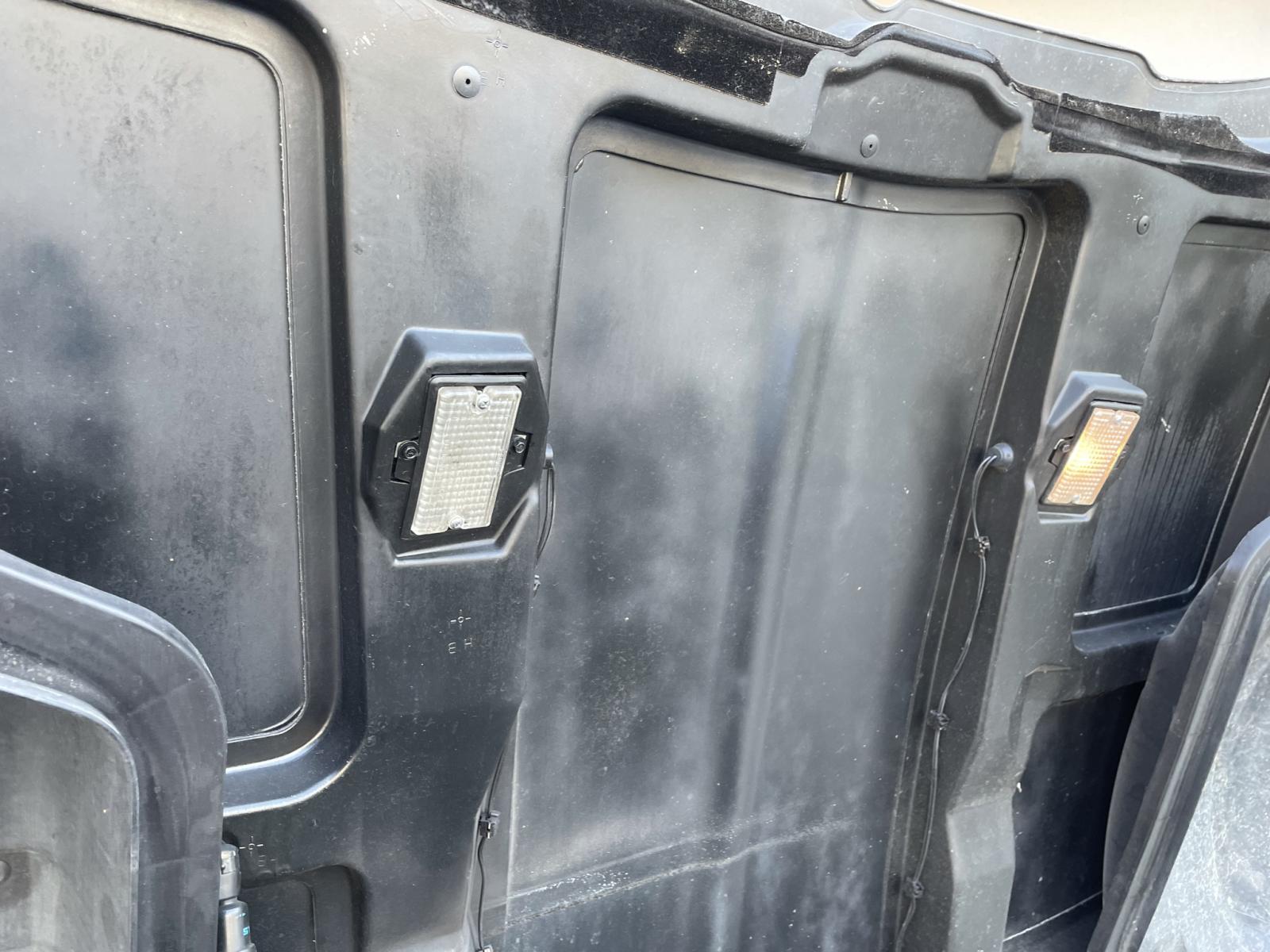
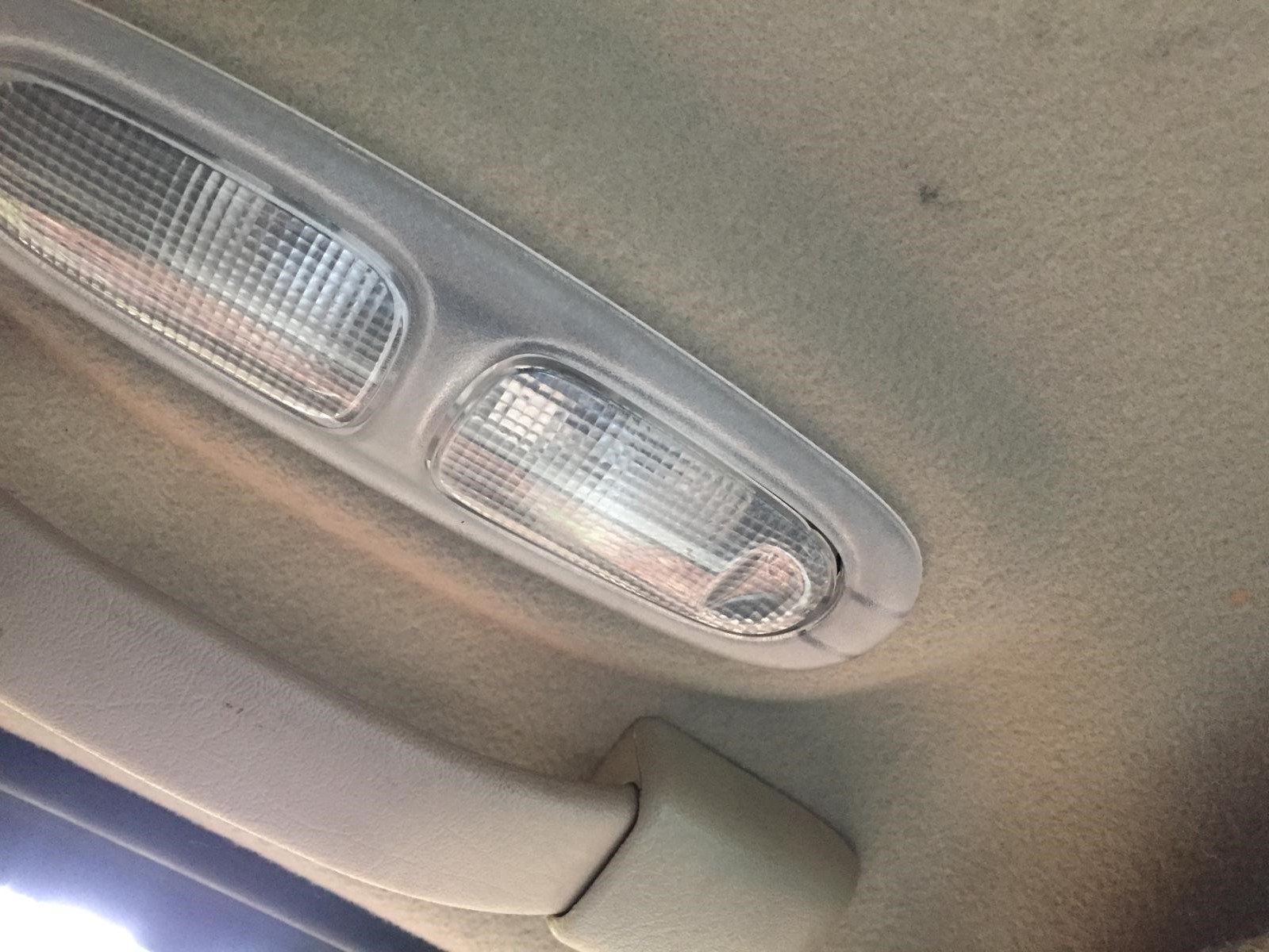
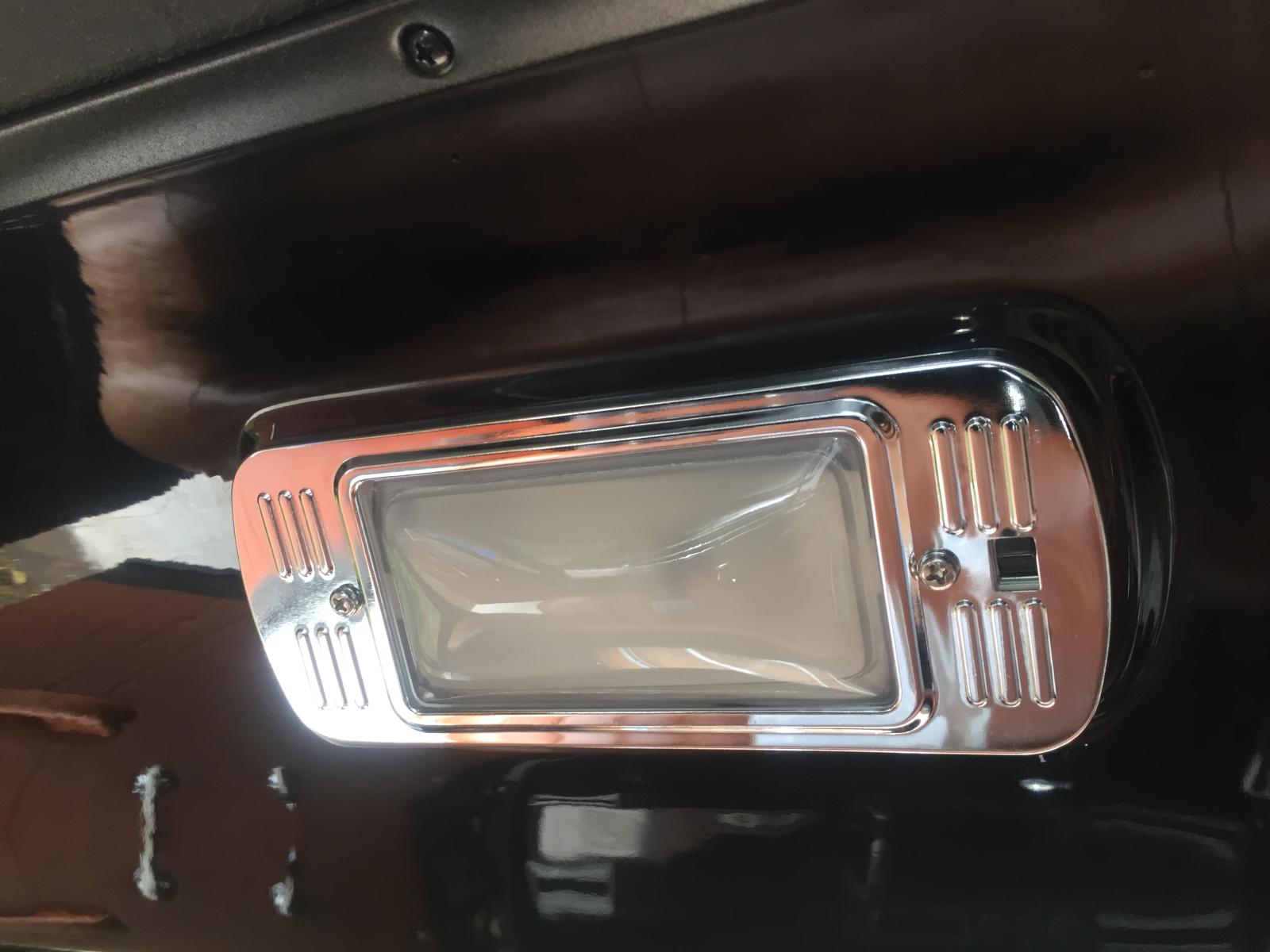
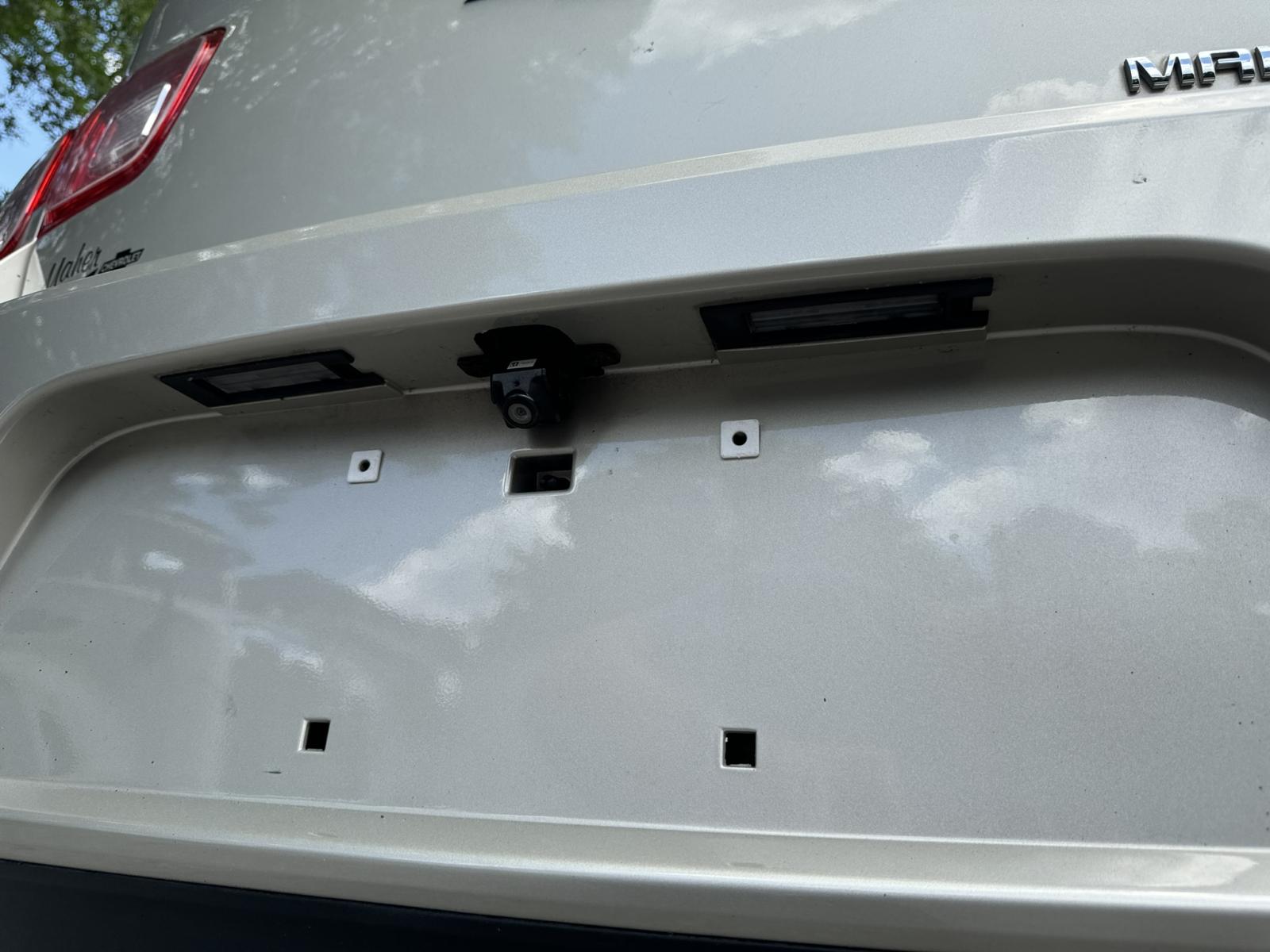
Lights not workingEquipment 16%
A check that the exterior and interior lights work — headlights, brake lights, turn signals, reverse and plate lights. A dead bulb is trivial, but a circuit that does not work can point to wiring or module faults and is an instant registration or safety issue.
Typical findings
- License plate lights don't work
- Turn signals don't work
- Left license plate light doesn't work
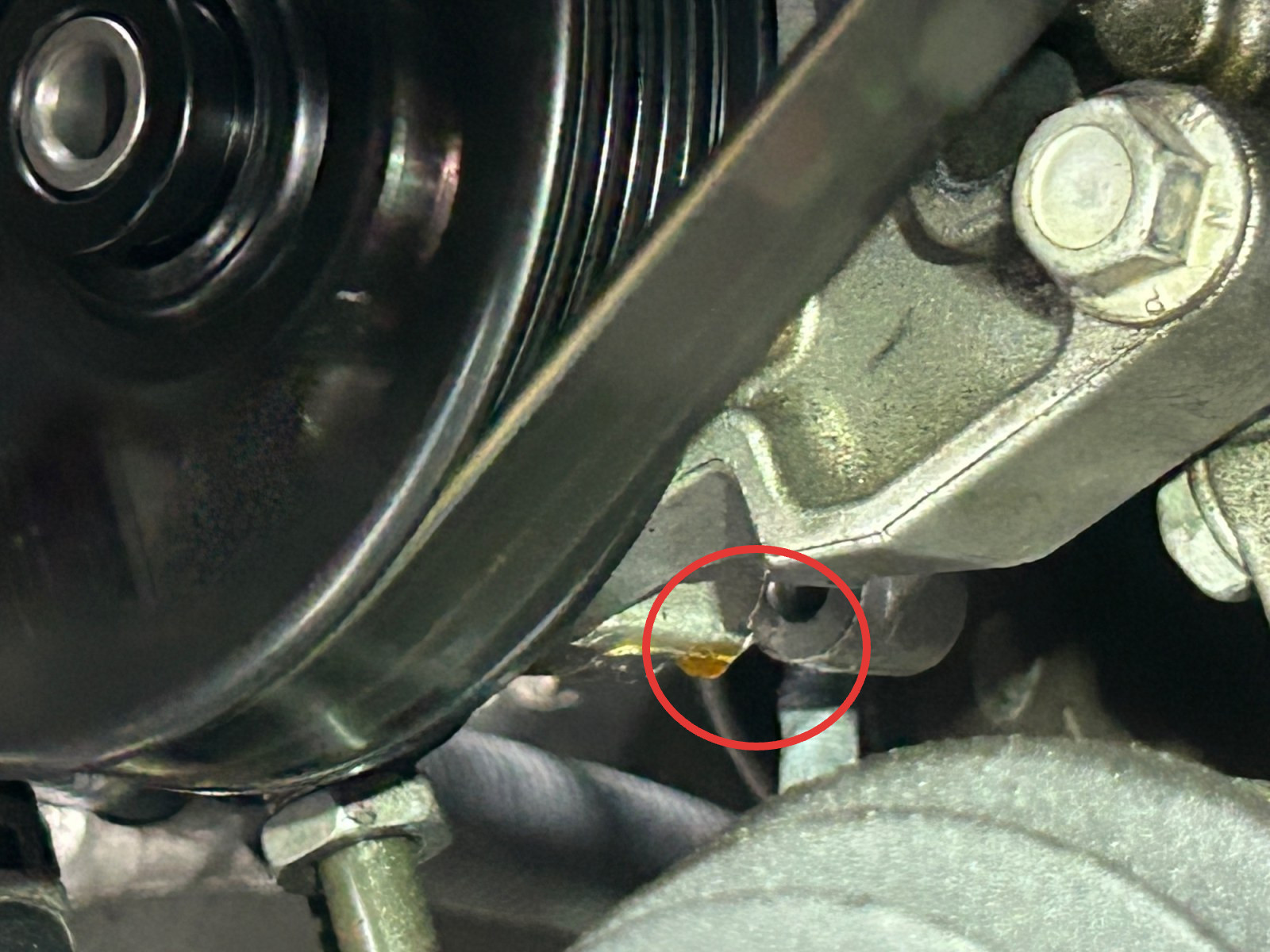
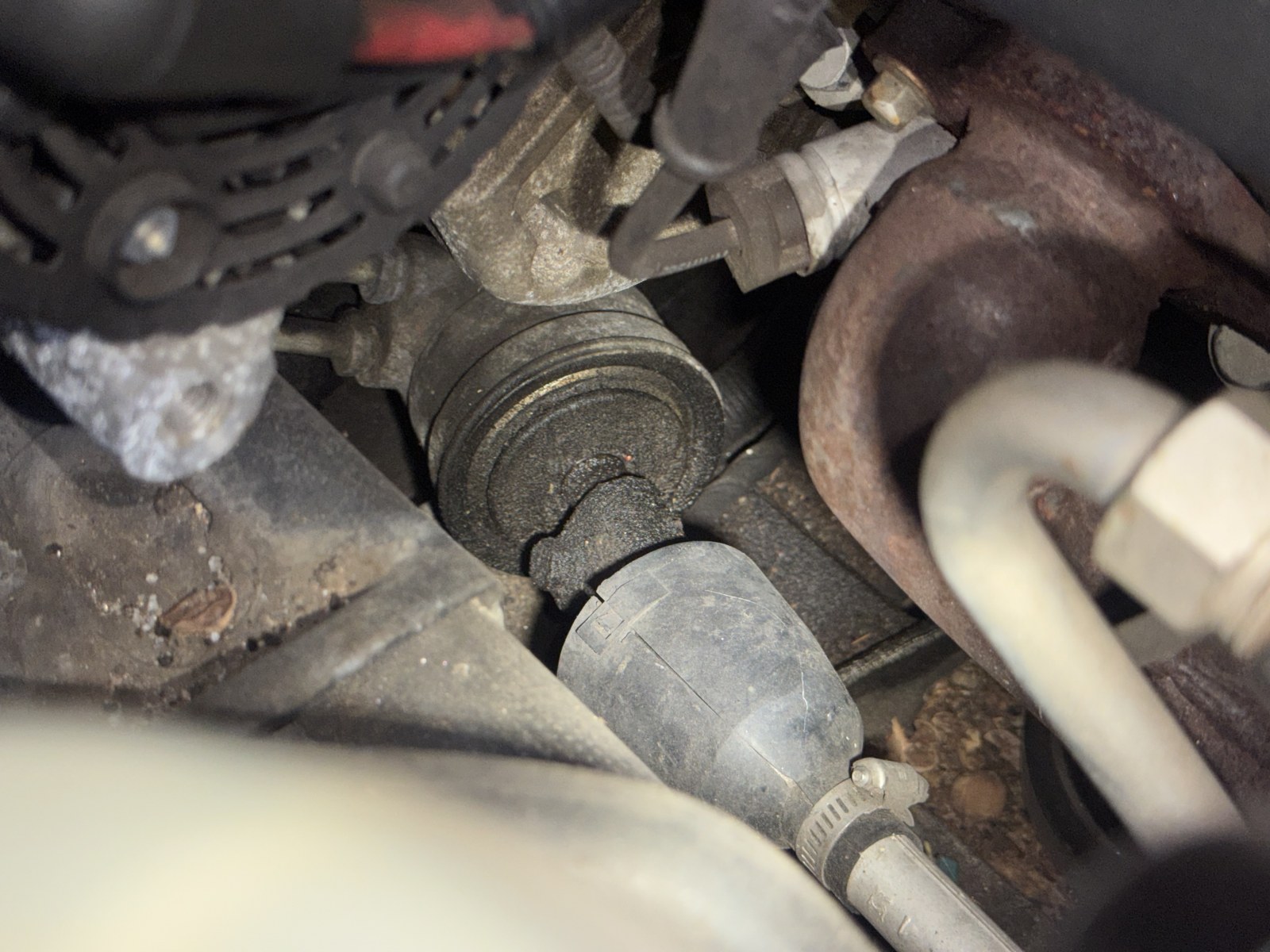
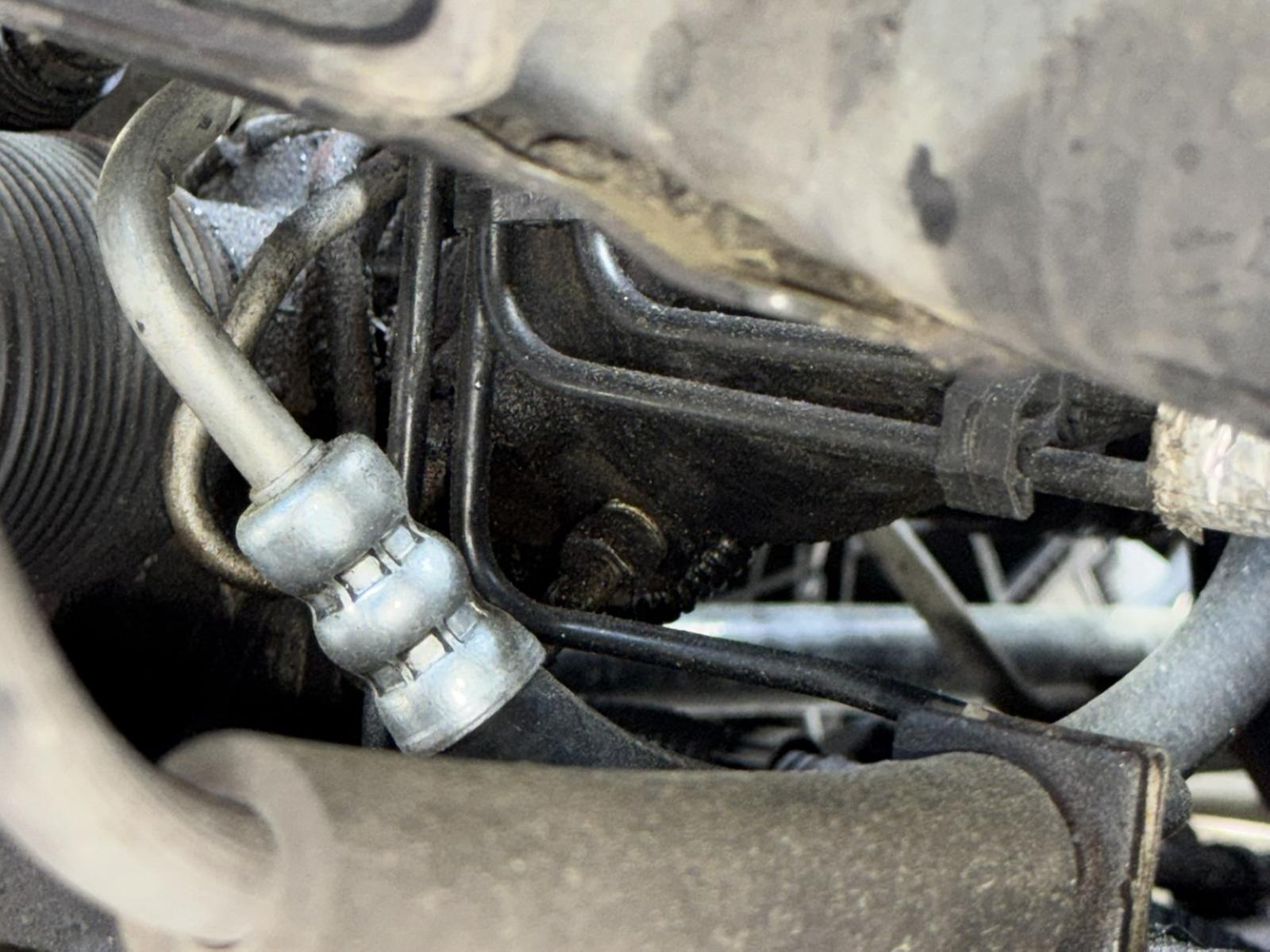
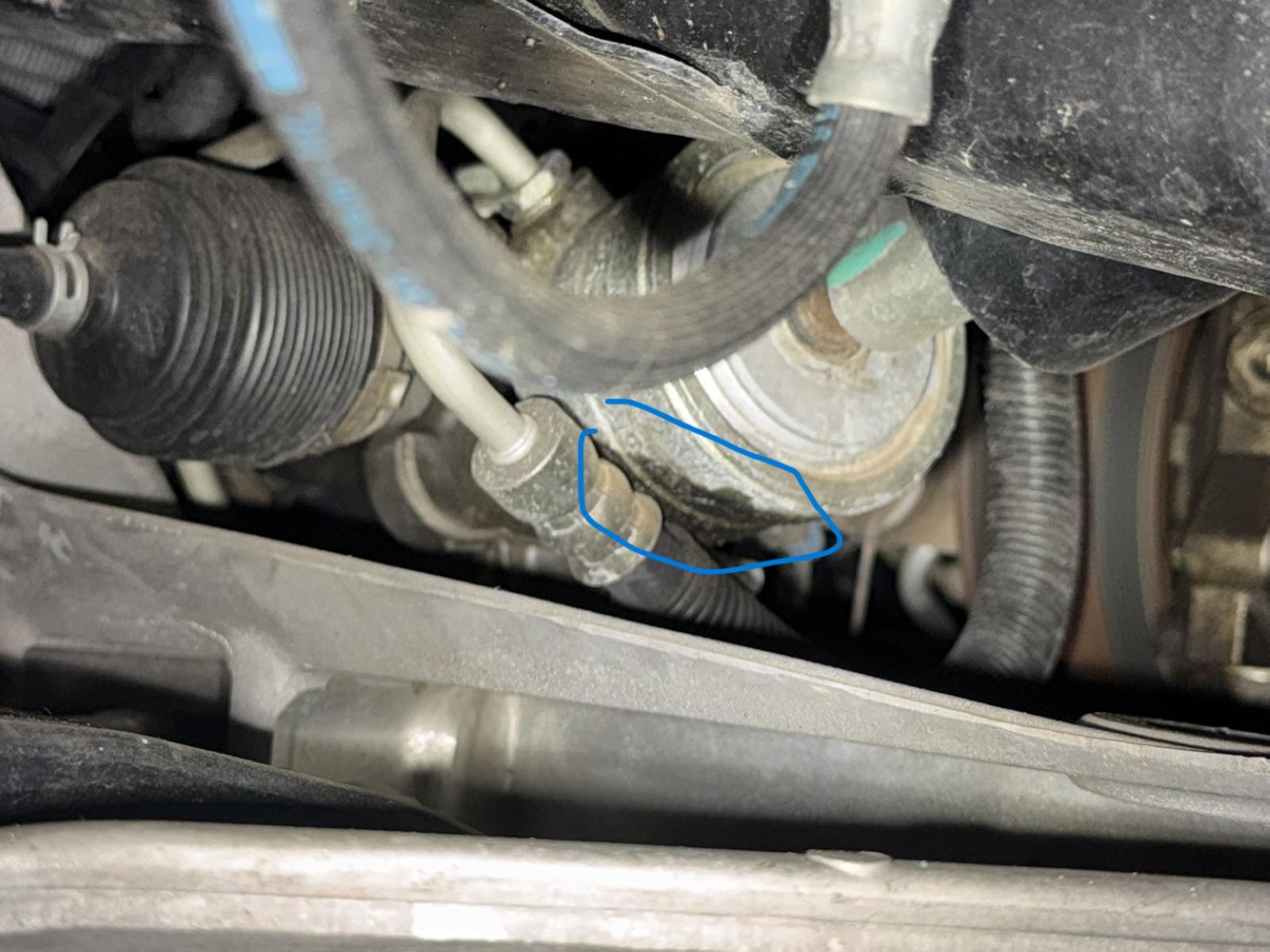
Fluid leaksSteering (hydraulic power) 14%
Leaks of power-steering fluid, typically from the pump, hoses or rack seals. A low system leads to heavy or noisy steering and, left unchecked, to pump or rack damage.
Typical findings
- Steering rack leak
- Oil residue on the steering rack
- Power steering hose leak
Steering backlashSteering (hydraulic power) 14%
The free play at the steering wheel before the wheels respond. Excessive play points to wear in the steering rack, joints or linkage and makes the car feel vague and imprecise.
Typical findings
- Present
- Could not check
- Steering hard to turn
Market condition
This is the distribution of condition for the used Chevrolets we inspected, next to all cars we check.
Chevrolet
Excellent 23%
Good 27%
Mediocre 23%
Poor 27%
All cars
Excellent 26%
Good 30%
Mediocre 24%
Poor 20%
Average condition: Chevrolet 57/100 · all cars 62/100. In good shape (60+): Chevrolet 50% · all cars 56%.
Hidden history
Share of inspected cars. Lower is better, and a point or two is a tie.
Repainted or replaced panel
Chevrolet
65%
All cars
74%
Structural repair found
Chevrolet
3%
All cars
4%
Significant corrosion
Chevrolet
9%
All cars
3%
Fault codes recently cleared
Chevrolet
26%
All cars
24%
The bottom line
Chevrolet is a tough used buy. Our inspectors put it 18th of 19, and the cars tend to slip out of decent shape at ~96k miles, 19th of 25. Bodywork is the quiet tell: repainted panels turn up often, while structural repairs stay rare, so a shiny panel is not the same as a solid car. Oil leaks lead the fault list, with fuel trim, coolant trouble, worn tires, and codes close behind. Among same-age checks, 2012–14 and 2015–17 look smarter than 2018–20. Negotiate hard or walk when leaks, bad tires, and fresh paint stack up. A pre-purchase inspection should focus on engine oil leaks, fuel trim, the cooling system, tire wear, repainted panels, and cleared or active codes.
FAQ
?
?
How long do Chevrolets last?
The Chevrolets we inspect typically stay in decent condition (55/100 or better) until about 96k miles, 19th of 25 makes.
?
What are the most common problems with a used Chevrolet?
Across the Chevrolets we inspected, the items we flag most often are oil leaks (51%), fuel trim out of range (41%), tires condition & wear (35%).
?
Which Chevrolet years are best to buy?
2012–14 is the strongest Chevrolet window, at 61% in good shape, ahead of the newest 2018–20 window at 42%.
?
How does Chevrolet rank against other brands?
Chevrolet ranks 18th of 19 makes for reliability (IRI 1,330) and 19th of 25 for longevity (~96k miles).
Thinking of buying a Chevrolet? Get the exact car inspected before you pay.
Book an inspection
Based on 320 inspections · updated Nov 27, 2026
