

Are Chryslers reliable?
47% of the 34 Chryslers we inspected scored 60/100 or higher, averaging 56/100 — below the 62/100 average for all cars we inspect. Based on a small sample of 34 cars, so treat this as early data.
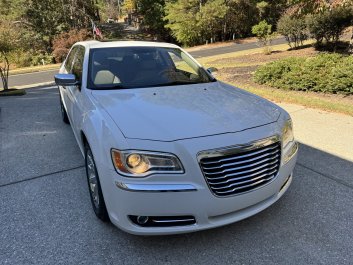
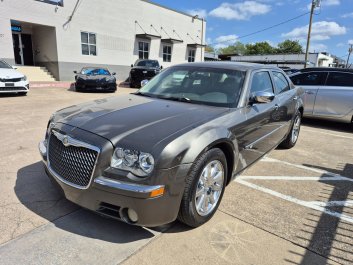

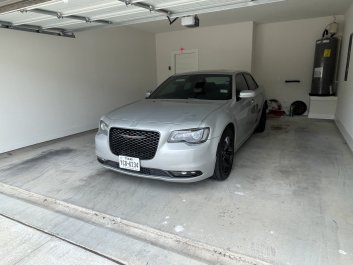


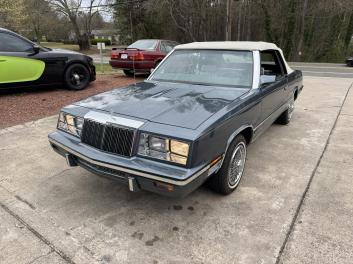

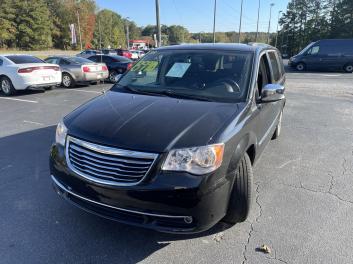
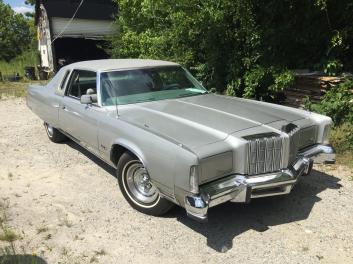
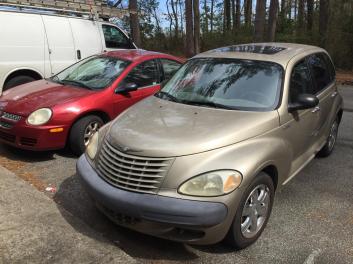
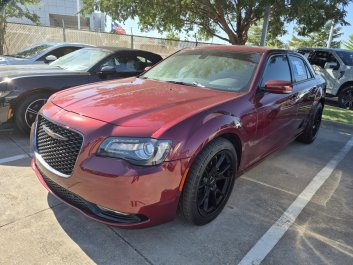


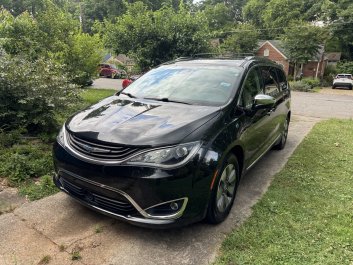

We analyzed 34 used Chryslers during CarAdvisors pre-purchase inspections, revealing 171 mechanical, 52 electronic, and 219 body issues.
Not enough inspections yet for an IRI ranking or a longevity estimate.
Compare with another brand:
Cross-shopping? Chrysler vs Toyota · Chrysler vs Honda · Chrysler vs Ford
Chrysler reliability and longevity
Not enough high-mileage Chryslers yet to estimate when condition drops below decent. At 100k miles, the average Chrysler scores 52/100, below the 58 average for all cars. Shopping a Chrysler with 90–130k miles? That's where condition drops fastest, so a pre-purchase inspection matters most there.
Chrysler models we've inspected
Pacifica
12 cars · profile soon
Recently inspected:
2013 Chrysler 300C · 124k mi — flagged: low coolant / cooling system issues, oil leaks, signs of recent repair. Inspected Oct 23.
2009 Chrysler 300 · 202k mi — flagged: abnormal noise, fuel trim out of range, powertrain control module. Inspected Oct 15.
Most common faults
From 223 technical issues, these are the most common ones for used Chryslers, with examples of actual findings and real photos from inspection reports.
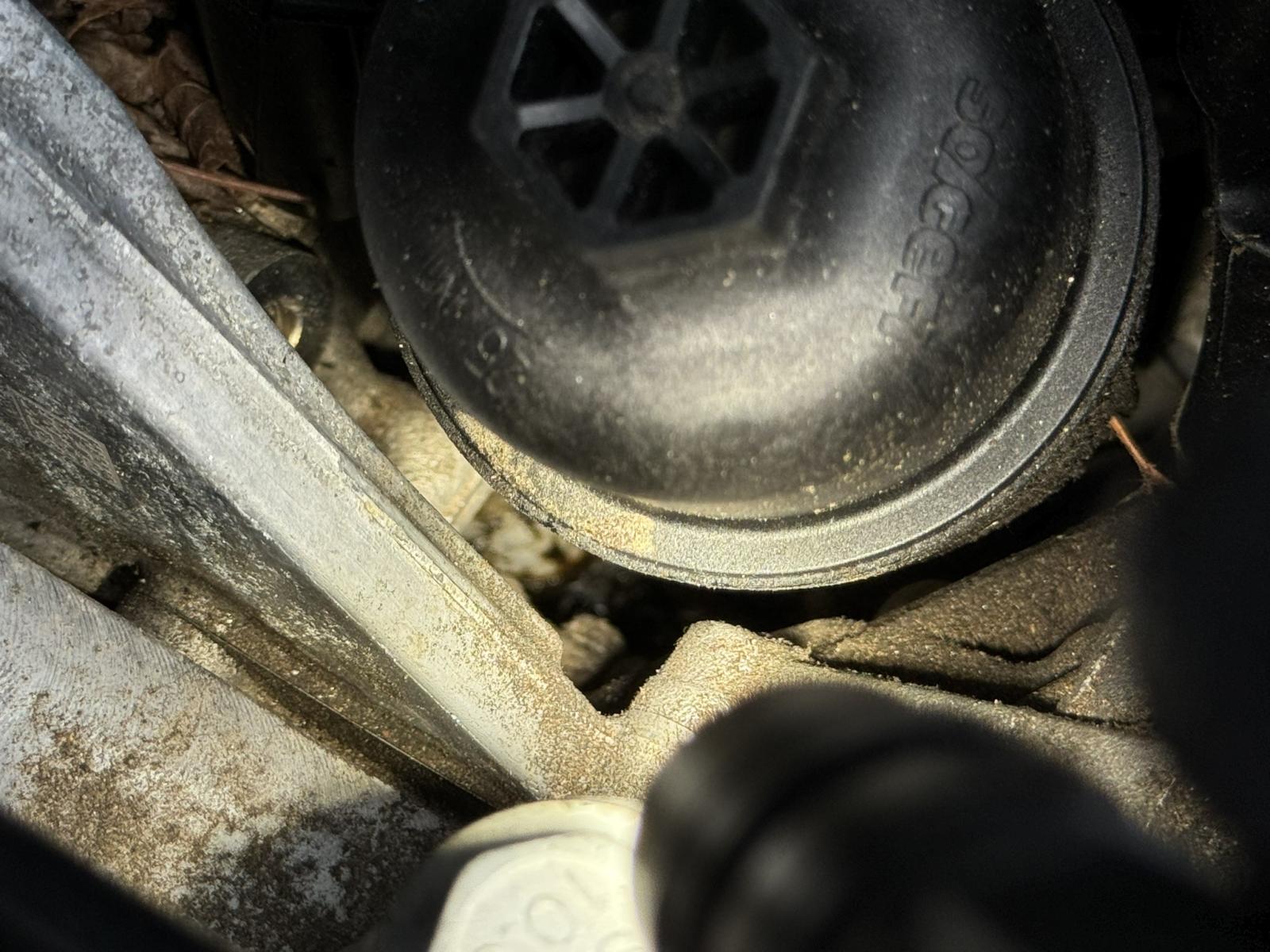
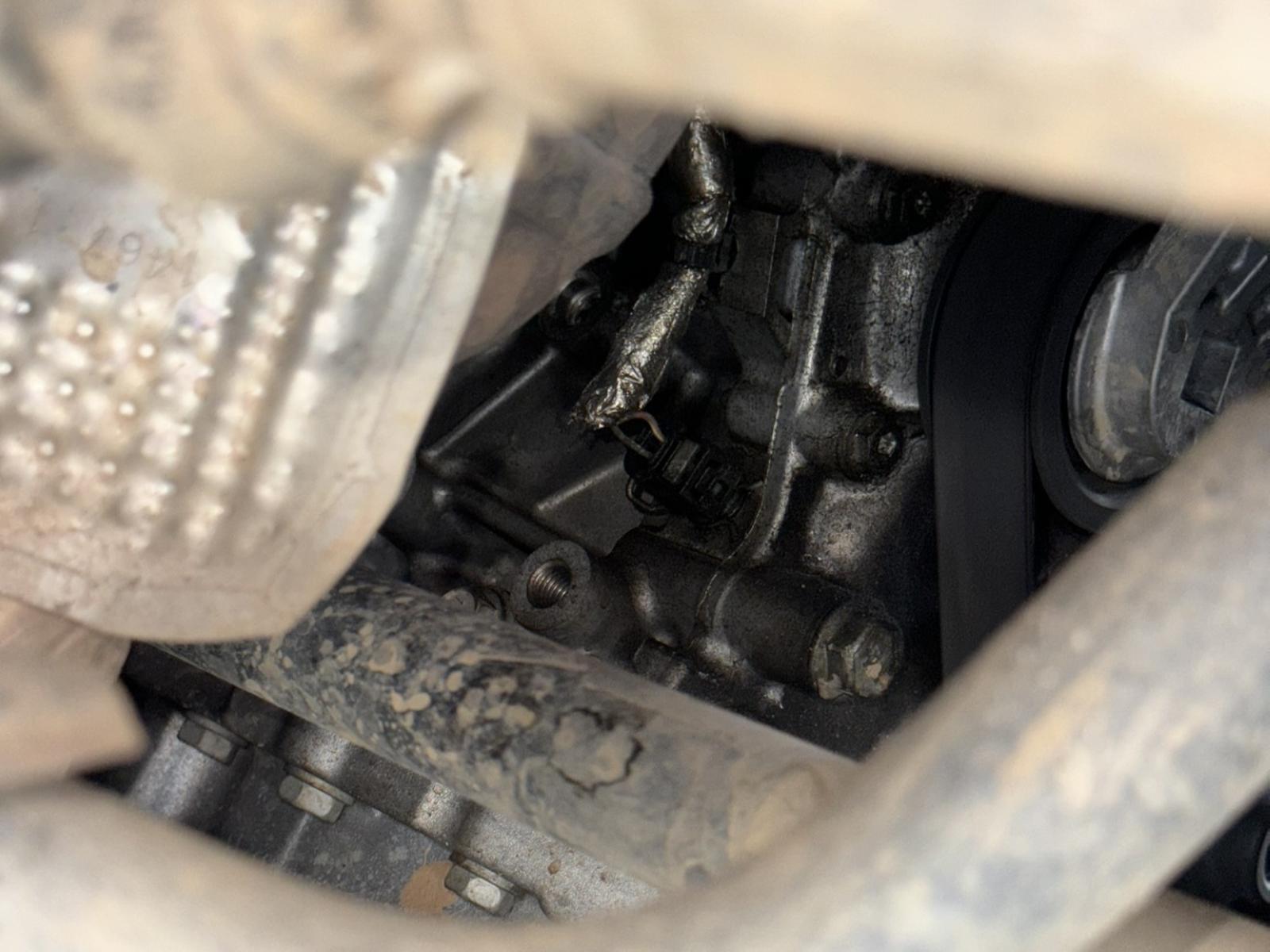
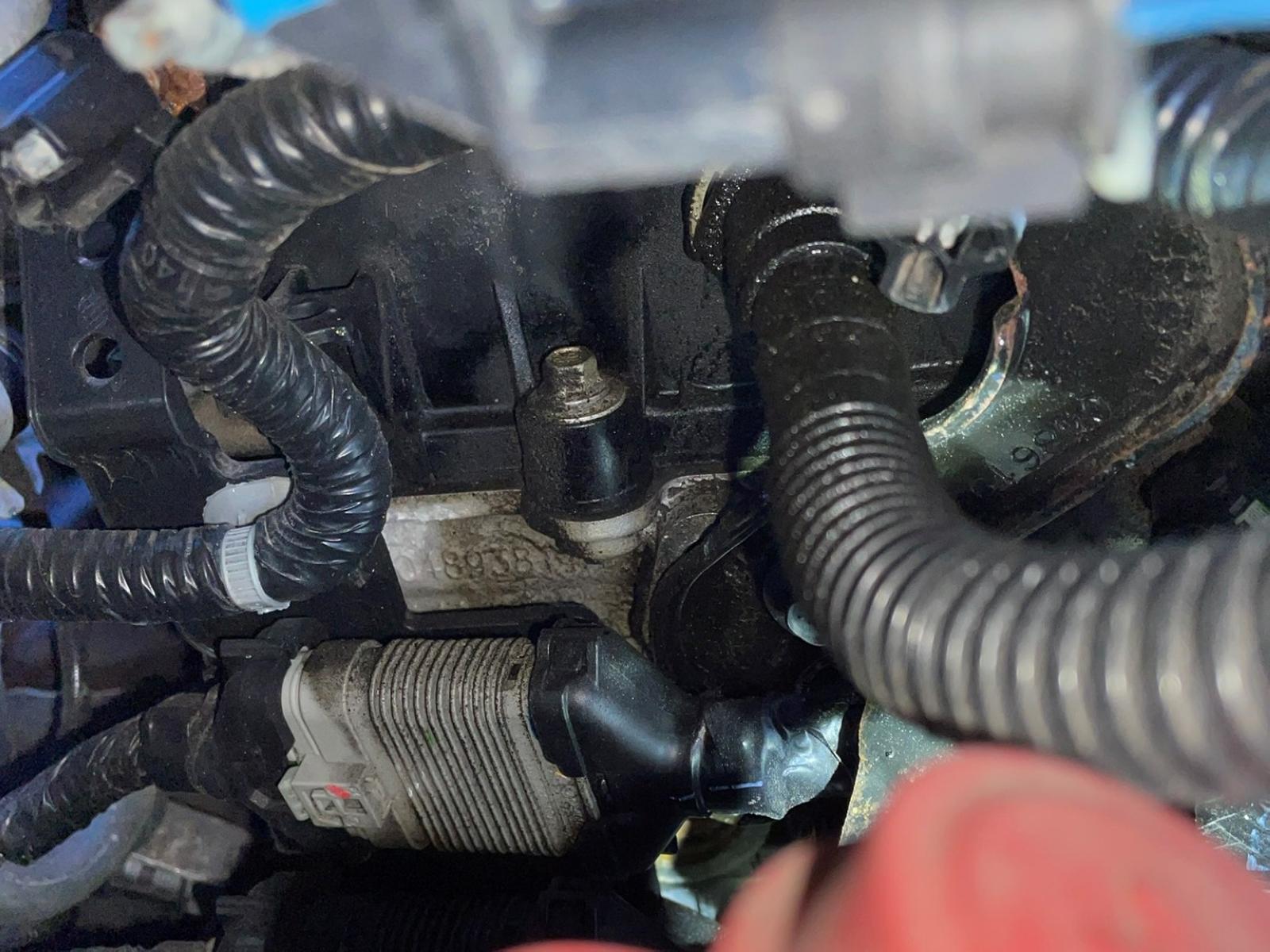
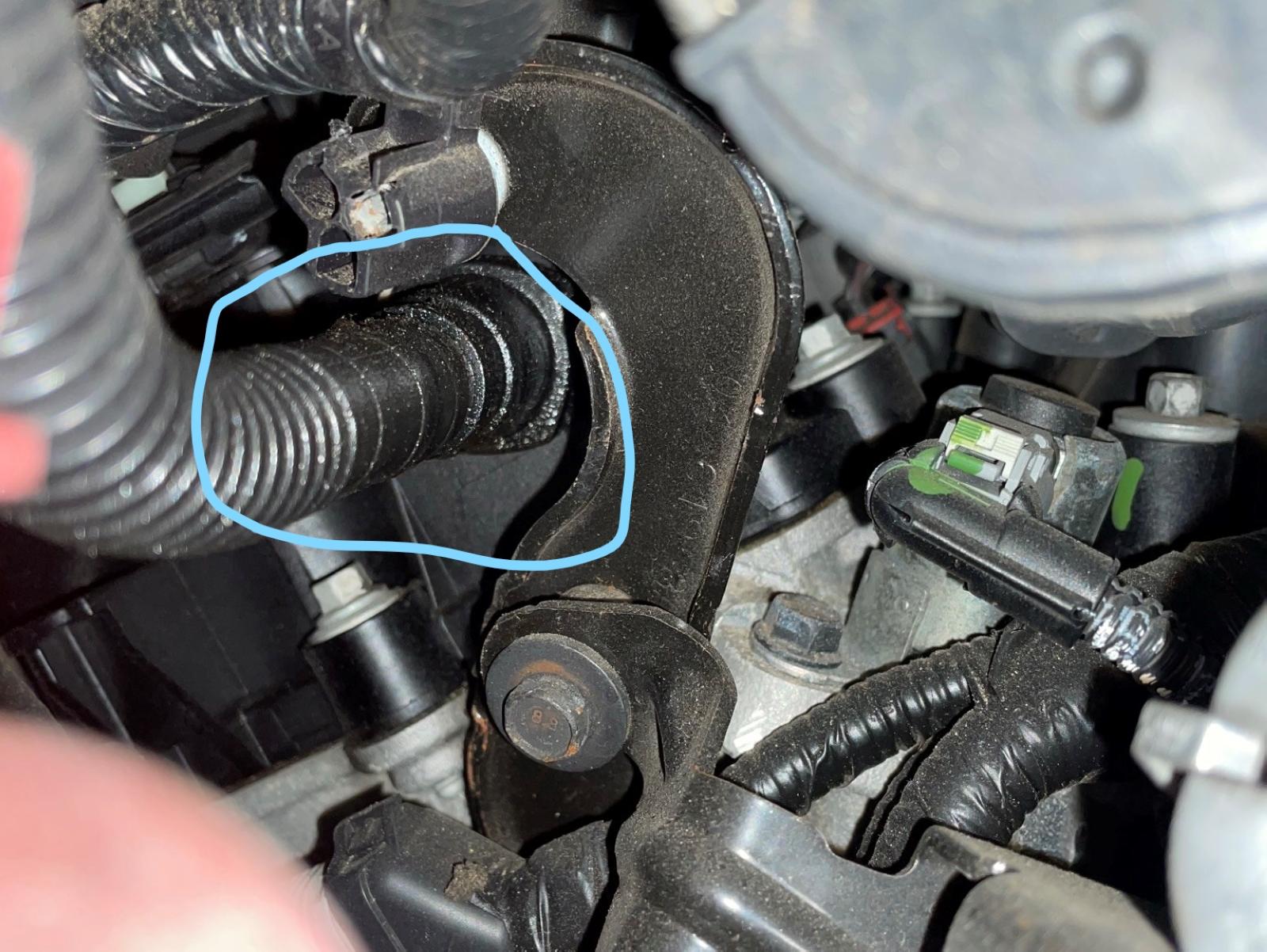
Oil leaksEngine 79%
Engine oil leaks are not cheap to fix, but, in most cases, they can't affect the car's reliability. An exception is a head gasket oil leak, which may indicate more serious issues in the future.
Typical findings
- Valve cover gasket oil leak
- Oil pan leak
- Timing chain cover oil leak
Tires condition & wearBrakes and tires 47%
The overall condition and remaining tread of the tires, including uneven or excessive wear. Worn or mismatched tires are an immediate cost, and an unusual wear pattern often reveals an alignment or suspension problem underneath.
Typical findings
- Front tires will need replacement soon
- Tires will need replacement soon
- All tires are cracked (will need replacement)
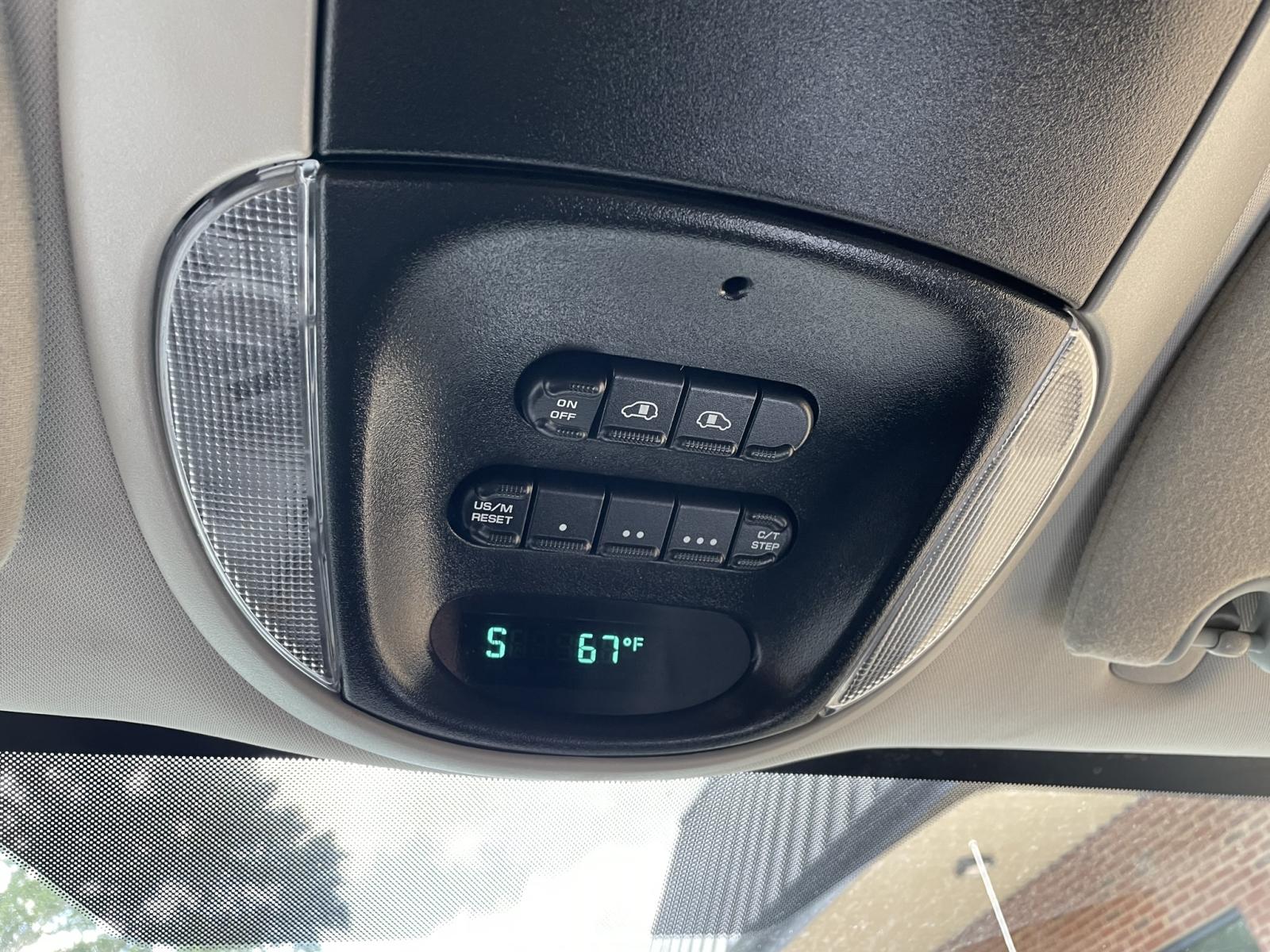
Active error codesElectronic equipment 41%
An active error code is a fault the car's computer reported during the scan and that was still present, not an old code sitting in memory. It can be a warning light or a lost sensor, and some of these are a repair worth pricing before you buy.
Typical findings
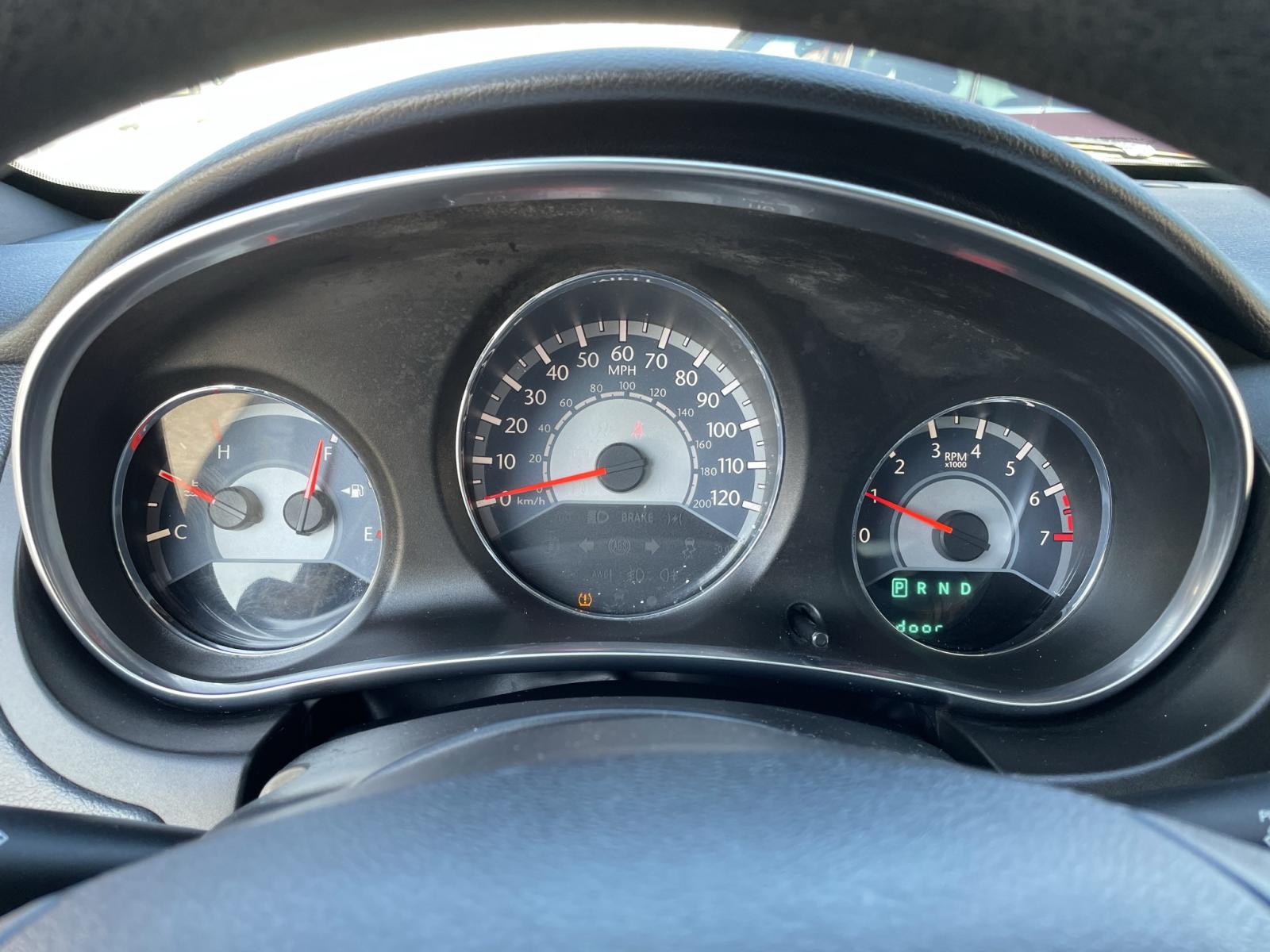
- Low tire pressure
- Humidity sensor module
- A/C control circuit open
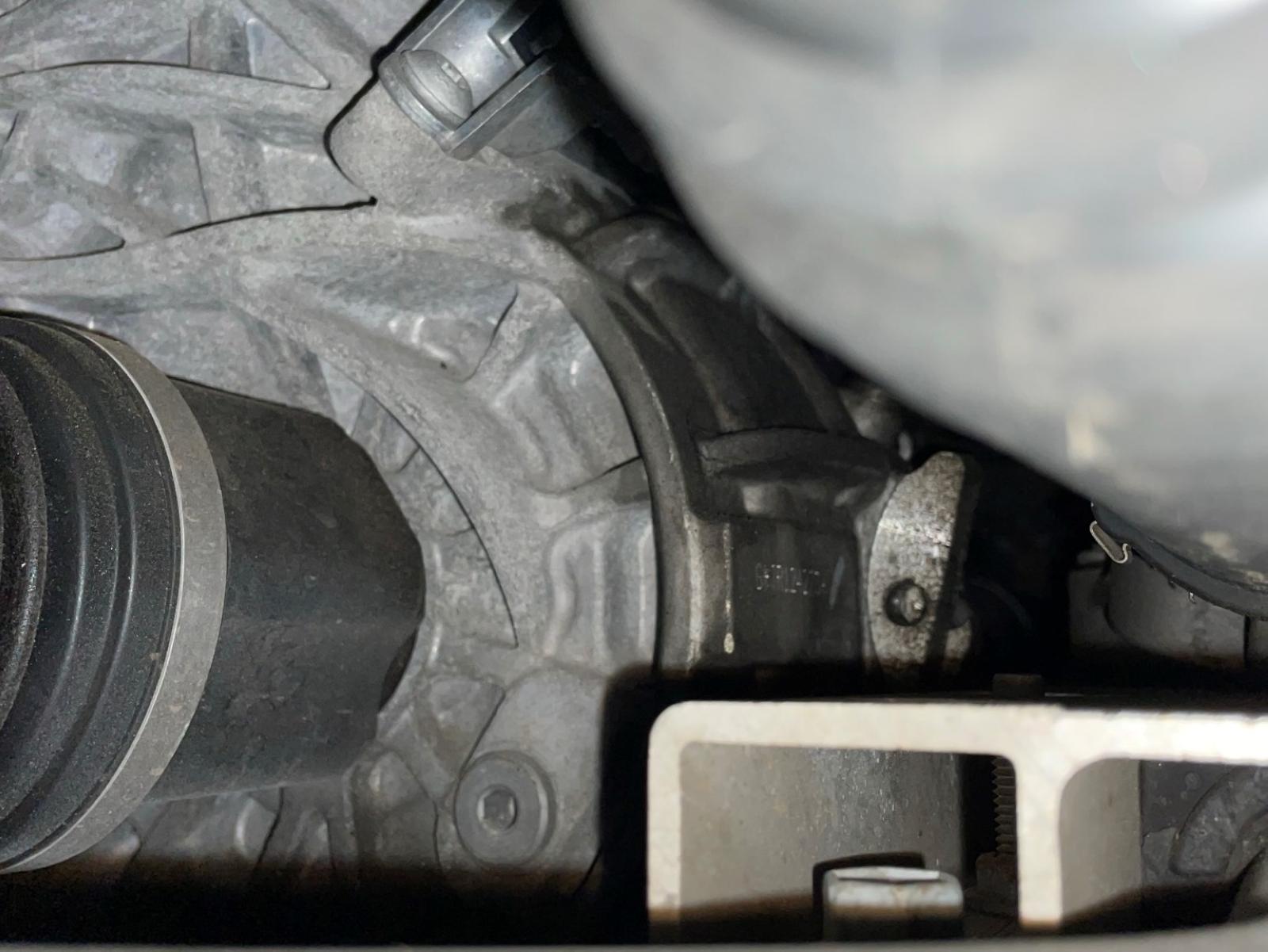
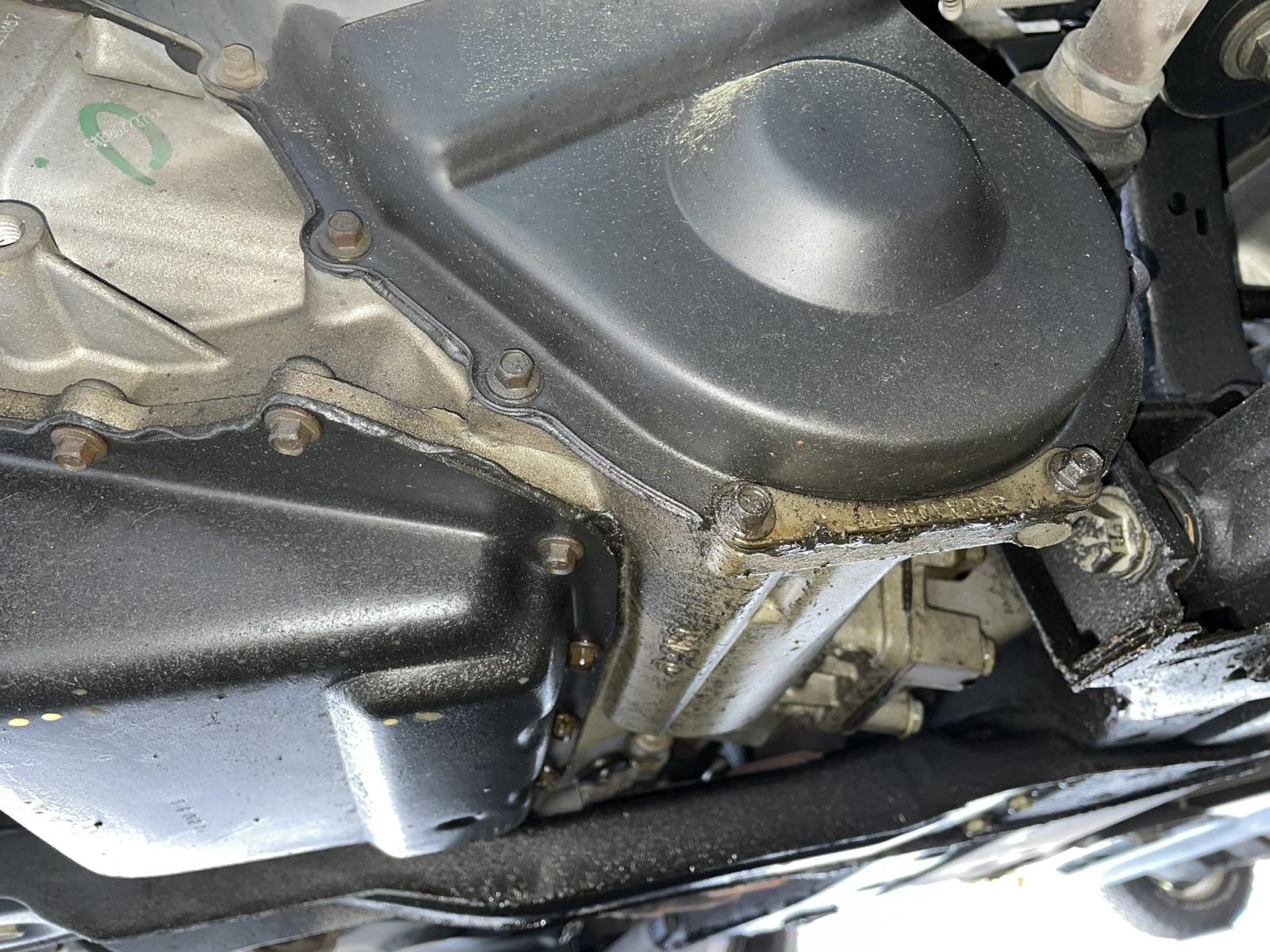
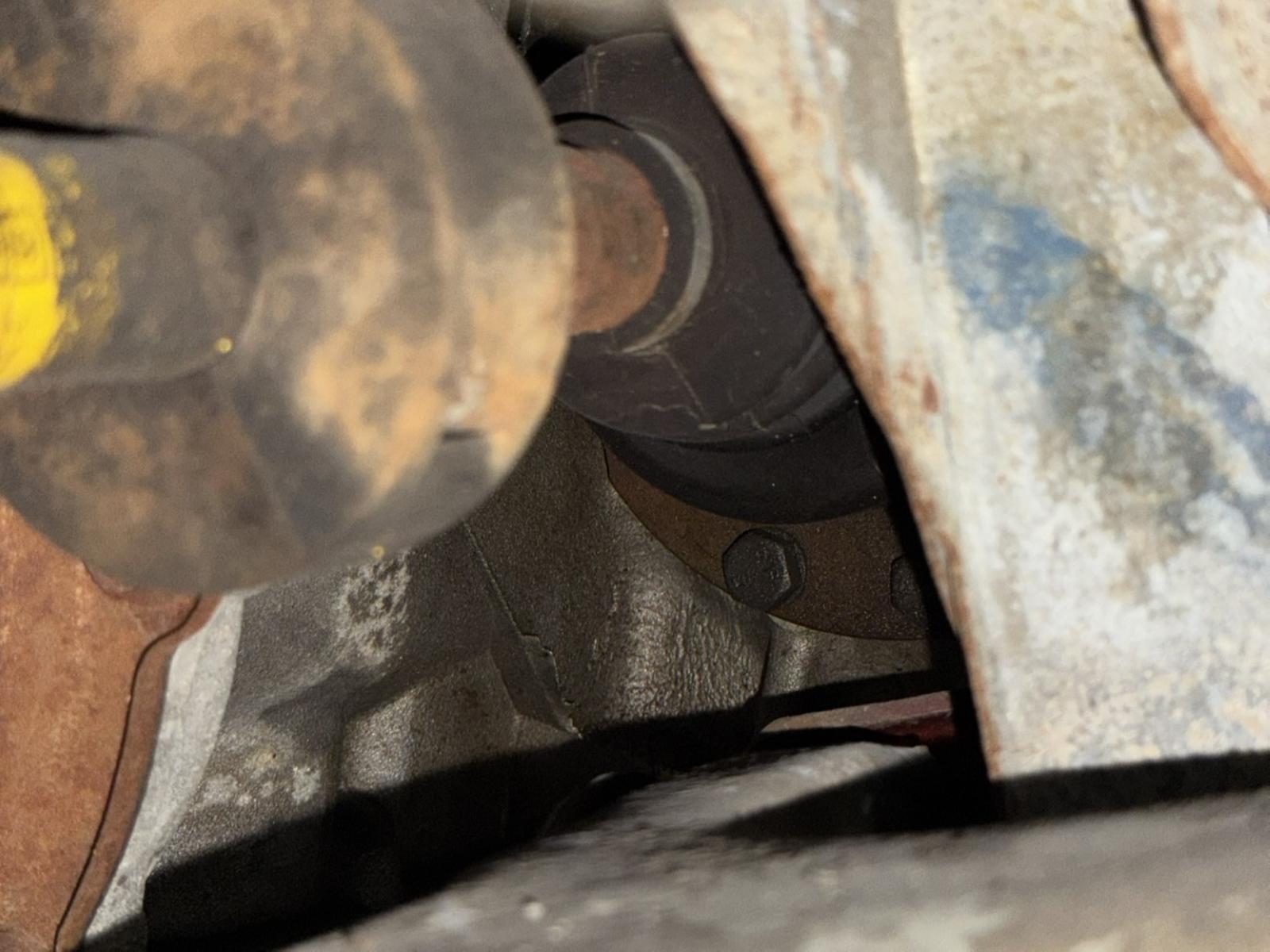
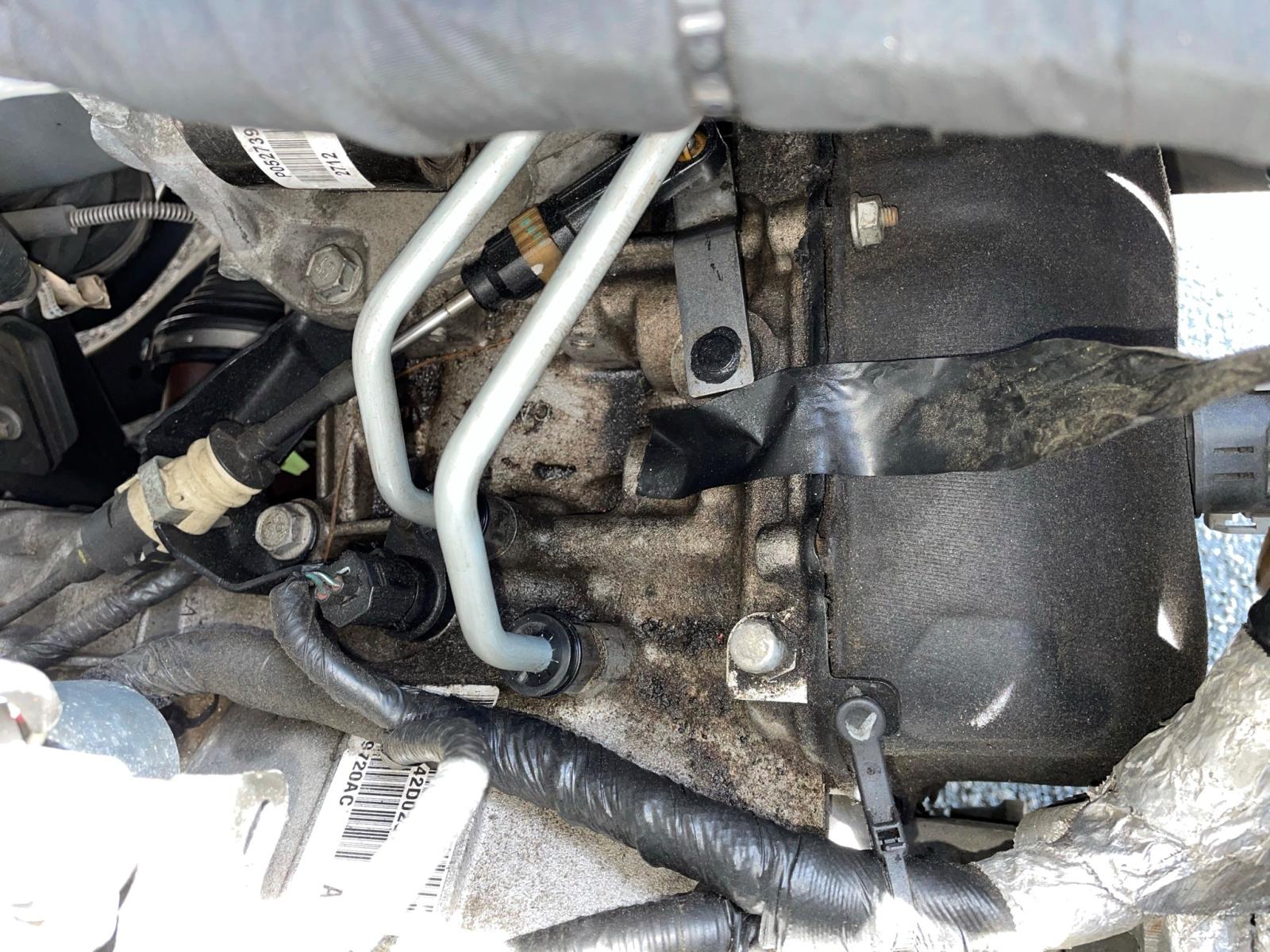
Oil leaksAutomatic transmission 29%
Leaks of transmission fluid, usually from the pan gasket, seals or cooler lines. Running low from an untreated leak is a common cause of harsh shifting and, eventually, expensive transmission failure.
Typical findings
- Oil pan leak
- Side cover oil leak
- Left axle seal leak
Fuel trim out of rangeEngine 24%
The main factor that shows a general condition of the engine: intake, fuel, ignition systems. Ideally, it should be around 0% which means that all system work as expected. Acceptable fluctuation +/-5%. Bigger values indicate that ECU had to increase or decrease fuel injection due to some issues in order to keep the optimum air-fuel ratio.
Readings we found: -11.7% to +14.8%
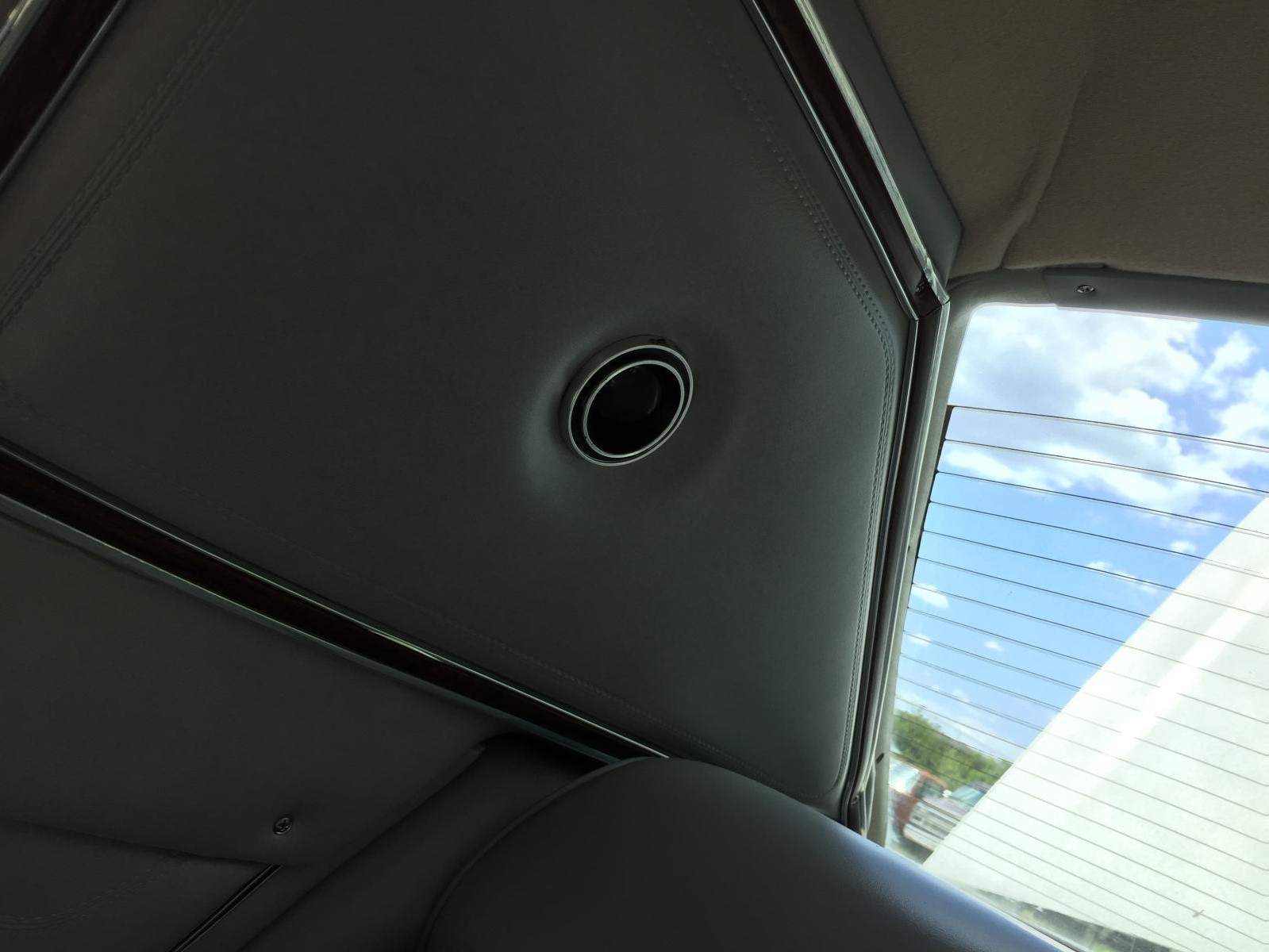
Lights not workingEquipment 21%
A check that the exterior and interior lights work — headlights, brake lights, turn signals, reverse and plate lights. A dead bulb is trivial, but a circuit that does not work can point to wiring or module faults and is an instant registration or safety issue.
Typical findings
- Fog lights don't work
- Fog lights are not connected
- Front dome lights don't work
Signs of recent repairEngine 21%
A recent repair is often not ideal when buying a car. Sellers may prioritize cost over quality parts and labor, potentially affecting the car's long-term reliability.
Typical findings
- New water pump
- Tensioner was removed
- The engine was washed
Abnormal noiseEngine 18%
Abnormal noises indicate serious and hard to fix problems with valvetrain, bearings, chain, cylinder-piston group. It's essential to determine and localize these noises.
Typical findings
- Fuel pump makes noise
- Valve lifters bank 1(minor)
- One of the pulleys makes a noise
Tire pressure monitoring systemBrakes and tires 18%
A Tire Pressure Monitoring System (TPMS) is an electronic system in vehicles that monitors the air pressure inside the tires and alerts the driver if the pressure is too low or, in some cases, too high. It enhances safety, fuel efficiency, and tire longevity by ensuring tires are properly inflated.
Typical findings
- Active error code: C0077 (low tire pressure)
- C1501
- C1504
Abnormal noiseSuspension 15%
Knocks, creaks or rattles from the suspension over bumps. These usually point to worn bushings, ball joints, links or shock mounts and are worth pinning down before buying.
Typical findings
- Rattling on bumps
- Knocking in the front
- Front left strut mount sometimes squeaks
Market condition
This is the distribution of condition for the used Chryslers we inspected, next to all cars we check.
Chrysler
Excellent 15%
Good 32%
Mediocre 32%
Poor 21%
All cars
Excellent 26%
Good 30%
Mediocre 24%
Poor 20%
Average condition: Chrysler 56/100 · all cars 62/100. In good shape (60+): Chrysler 47% · all cars 56%.
Hidden history
Share of inspected cars. Lower is better, and a point or two is a tie.
Repainted or replaced panel
Chrysler
88%
All cars
74%
Structural repair found
Chrysler
3%
All cars
4%
Significant corrosion
Chrysler
3%
All cars
3%
Fault codes recently cleared
Chrysler
21%
All cars
24%
The bottom line
Chrysler is a cautious buy rather than a hard pass: our sample is still small, and nothing in the overall scores supports walking away from every car, but excellence is uncommon. Start under the hood, where engine oil leaks turned up on 79% of the Chryslers we inspected, then check tire wear, active error codes, transmission oil leaks, and fuel trim. A repainted panel on 88% of them sits above the fleet rate, so pretty paint is a reason to ask questions, not a reason to relax; structural repairs were not elevated versus the fleet. Have a pre-purchase inspection focus on engine and transmission oil leaks, tires, electronic fault codes, and repaint or body history before you talk price.
FAQ
?
?
How long do Chryslers last?
We don't have enough high-mileage Chrysler inspections yet to estimate this.
?
What are the most common problems with a used Chrysler?
Across the Chryslers we inspected, the items we flag most often are oil leaks (79%), tires condition & wear (47%), active error codes (41%).
Thinking of buying a Chrysler? Get the exact car inspected before you pay.
Book an inspection
Based on 34 inspections · updated Nov 27, 2026
