

Is RAM reliable?
61% of the 85 RAM vehicles we inspected scored 60/100 or higher, averaging 64/100 — slightly above the 62/100 average for all cars we inspect.
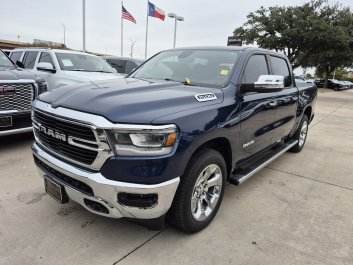
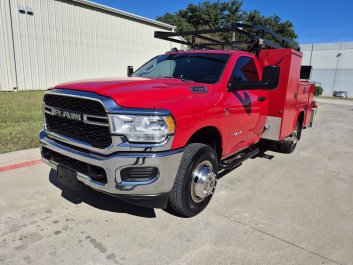
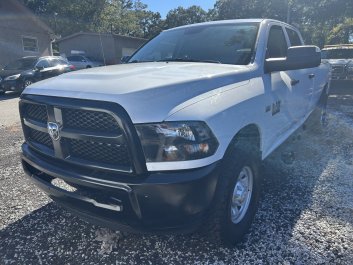

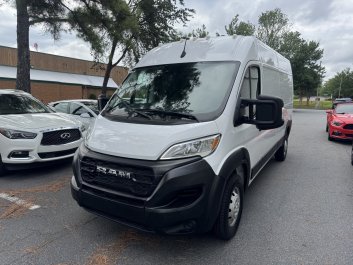
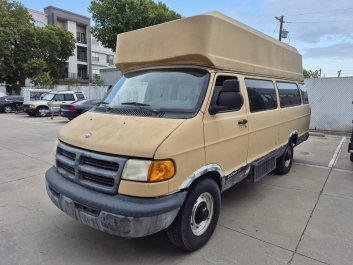
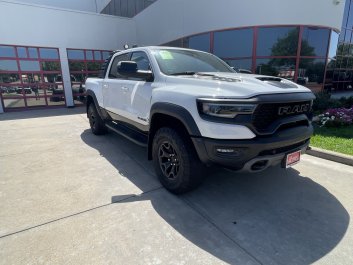
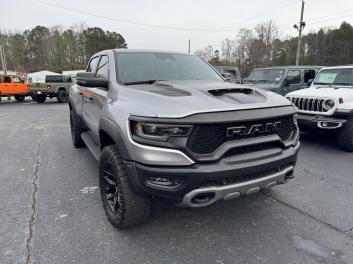
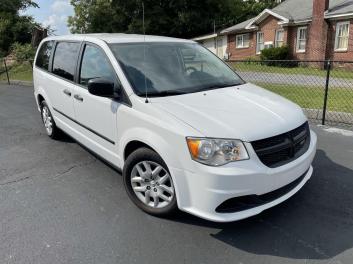
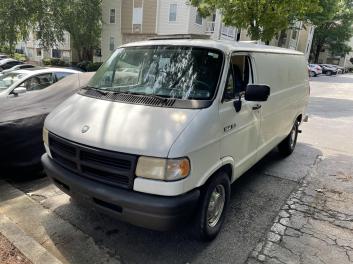
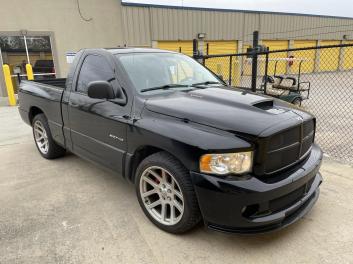
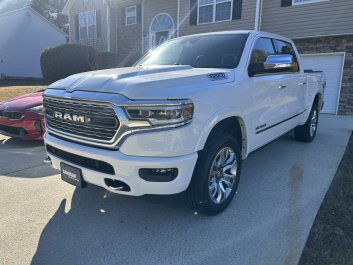
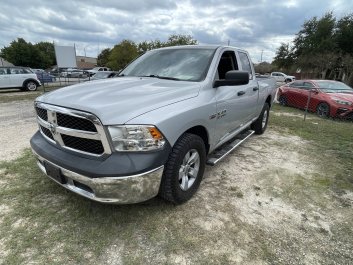
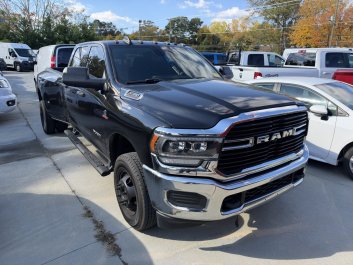
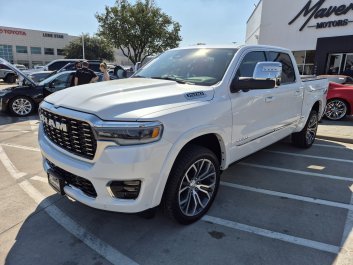
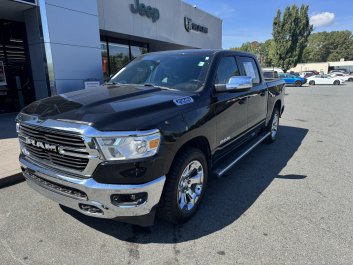
We analyzed 85 used RAM vehicles during CarAdvisors pre-purchase inspections, revealing 374 mechanical, 133 electronic, and 431 body issues.
Using this data we rated RAM cars two ways:
- Longevity is how far the average car goes before its condition drops below decent (55/100): ~90k miles for RAM, 22nd of 25.
- Integral Reliability Index (IRI) also counts how far above decent the cars stay along the way, so it rewards brands that stay in good shape, not just ones that last: RAM scores 1,972, 6th of 19 makes with enough data.
In short, RAM vehicles stay in better shape over their life than most brands we rate, but they don't last as long as most.
Compare with another brand:
Cross-shopping? RAM vs Toyota · RAM vs Honda · RAM vs Ford
RAM reliability and longevity
RAM vehicles we inspected average 85/100 under 30k miles and reach decent condition (55/100) at about 90k miles. At 100k miles, the average RAM scores 52/100, below the 58 average for all cars. Shopping a RAM with 50–90k miles? That's where condition drops fastest, so a pre-purchase inspection matters most there.
- RAM average condition
- All cars
- IRI = area above 55
The IRI is the area between a brand's condition curve and the decent-condition line (55), from the cars we inspected out to the mileage where its average crosses 55. Unit: condition points × 1,000 miles. Higher means cars stay further above decent condition, for longer.
Good car percentage
Share of RAM vehicles we inspected that scored 60/100 or higher, by mileage. Under 50k miles, 90% of RAM vehicles were in good shape; at 100–150k it drops to 39%, versus 37% for all cars. Past 100k miles, fewer than half of the RAM vehicles we inspect are in good shape.
Good cars by mileage
- RAM
- All cars
Share of RAM vehicles we inspected that scored 60/100 or higher, by age. 70% of RAM vehicles up to 5 years old were in good shape. After about 9 years, fewer than half are in good shape.
Good cars by age
- RAM
- All cars
RAM models we've inspected
Recently inspected:
2019 RAM 1500 · 113k mi — flagged: oil leaks, signs of recent repair, fault codes recently cleared. Inspected Nov 24.
2022 RAM 1500 · 41k mi — flagged: oil leaks, tires condition & wear. Inspected Nov 16.
Most common faults
From 507 technical issues, these are the most common ones for used RAM vehicles, with examples of actual findings and real photos from inspection reports.
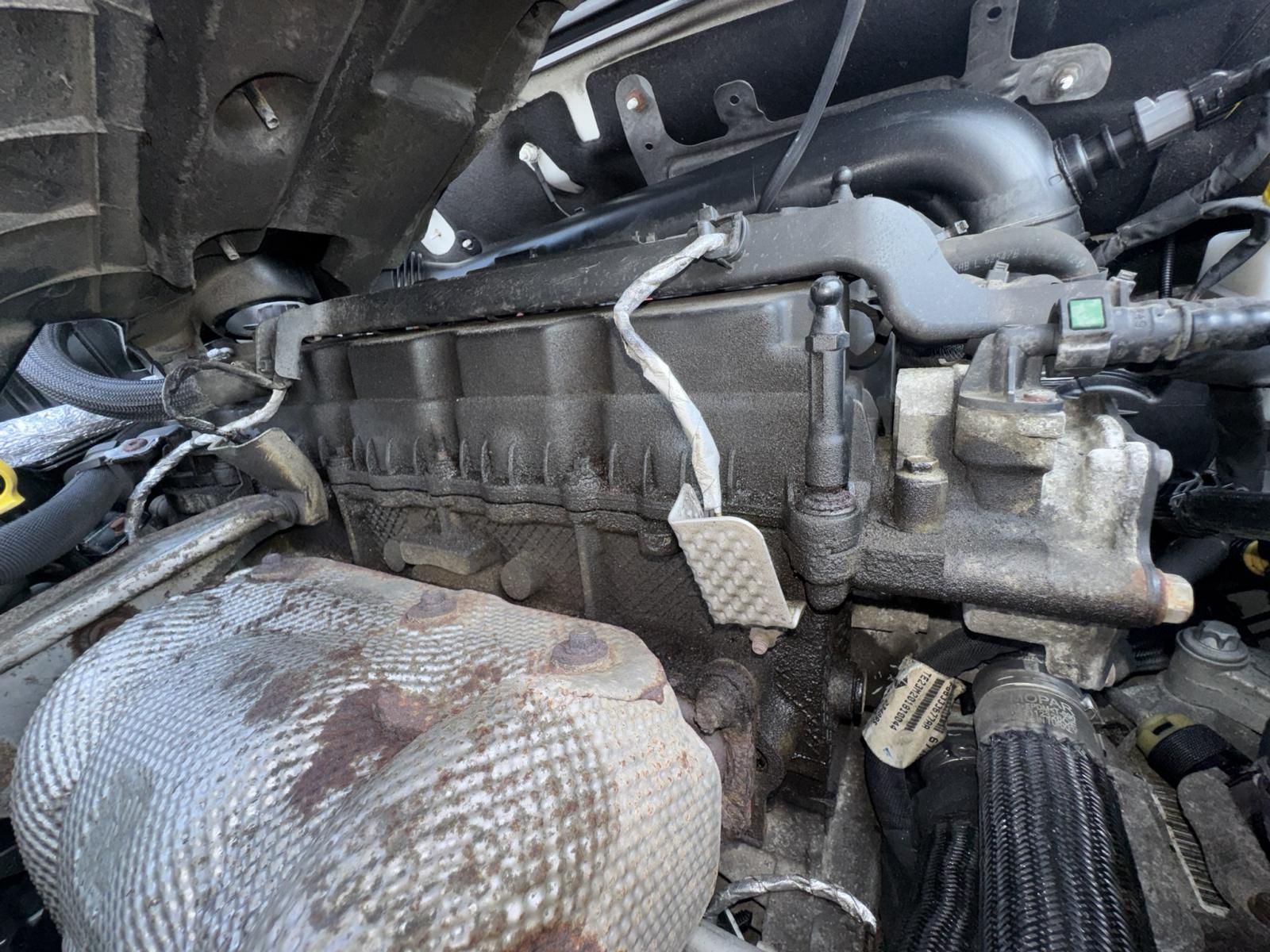
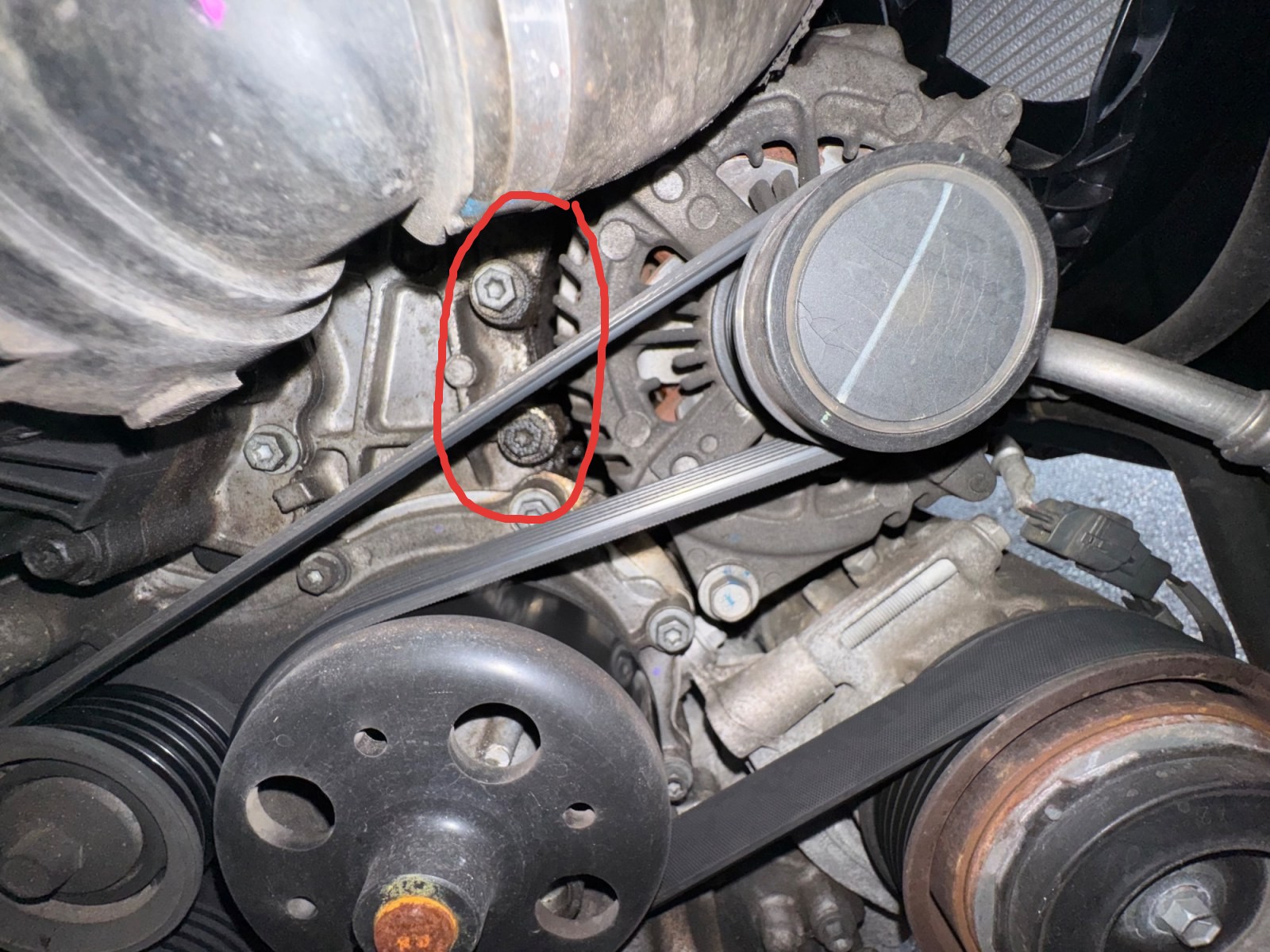
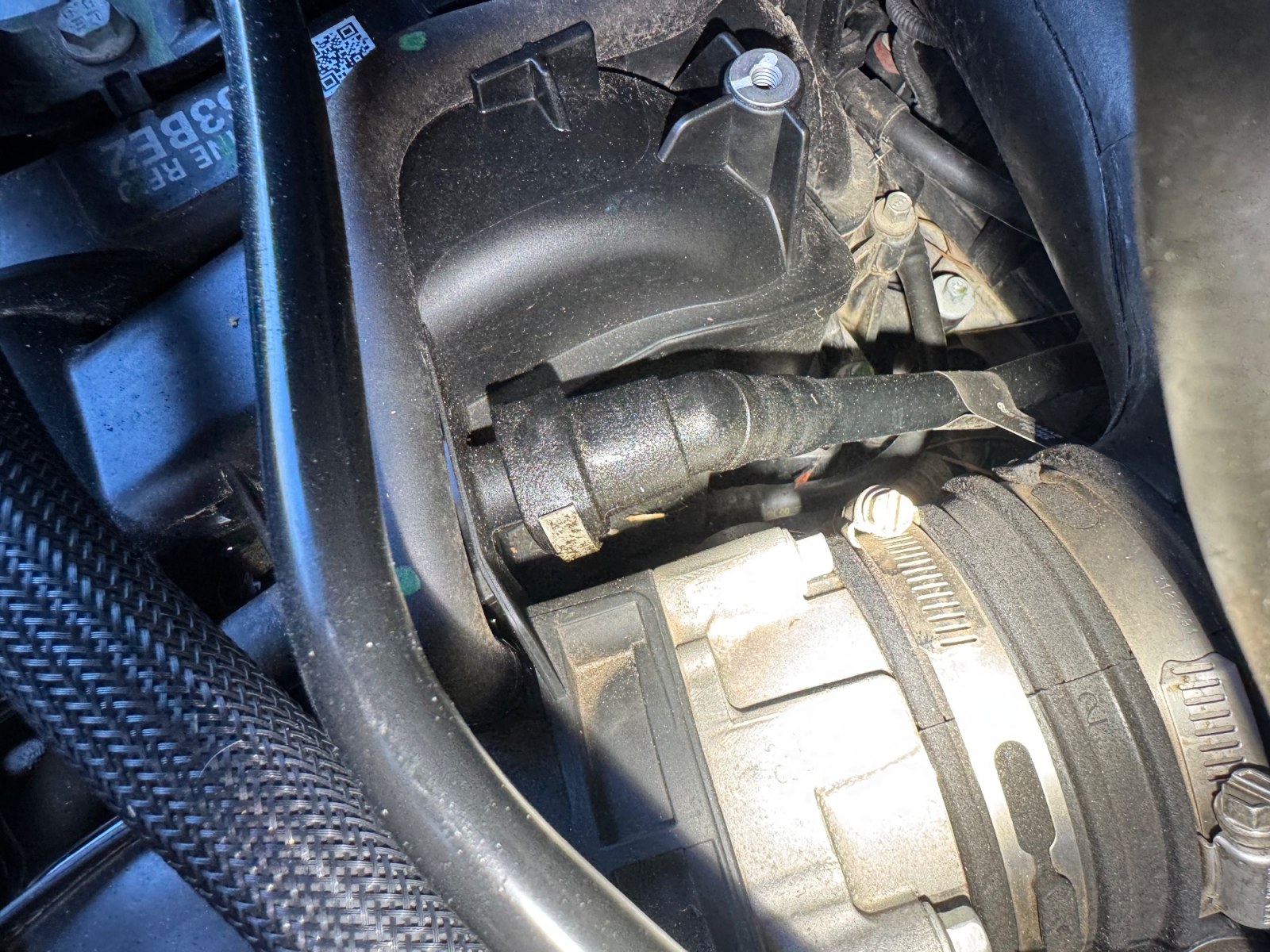
Oil leaksEngine 39%
Engine oil leaks are not cheap to fix, but, in most cases, they can't affect the car's reliability. An exception is a head gasket oil leak, which may indicate more serious issues in the future.
Typical findings
- Oil pan leak
- Timing chain cover oil leak
- Valve cover gasket oil leak
Active error codesElectronic equipment 35%
An active error code is a fault the car's computer reported during the scan and that was still present, not an old code sitting in memory. It can be a warning light or a lost sensor, and some of these are a repair worth pricing before you buy.
Typical findings
- Low tire pressure
- Humidity sensor module
- Implausible data received from ABS
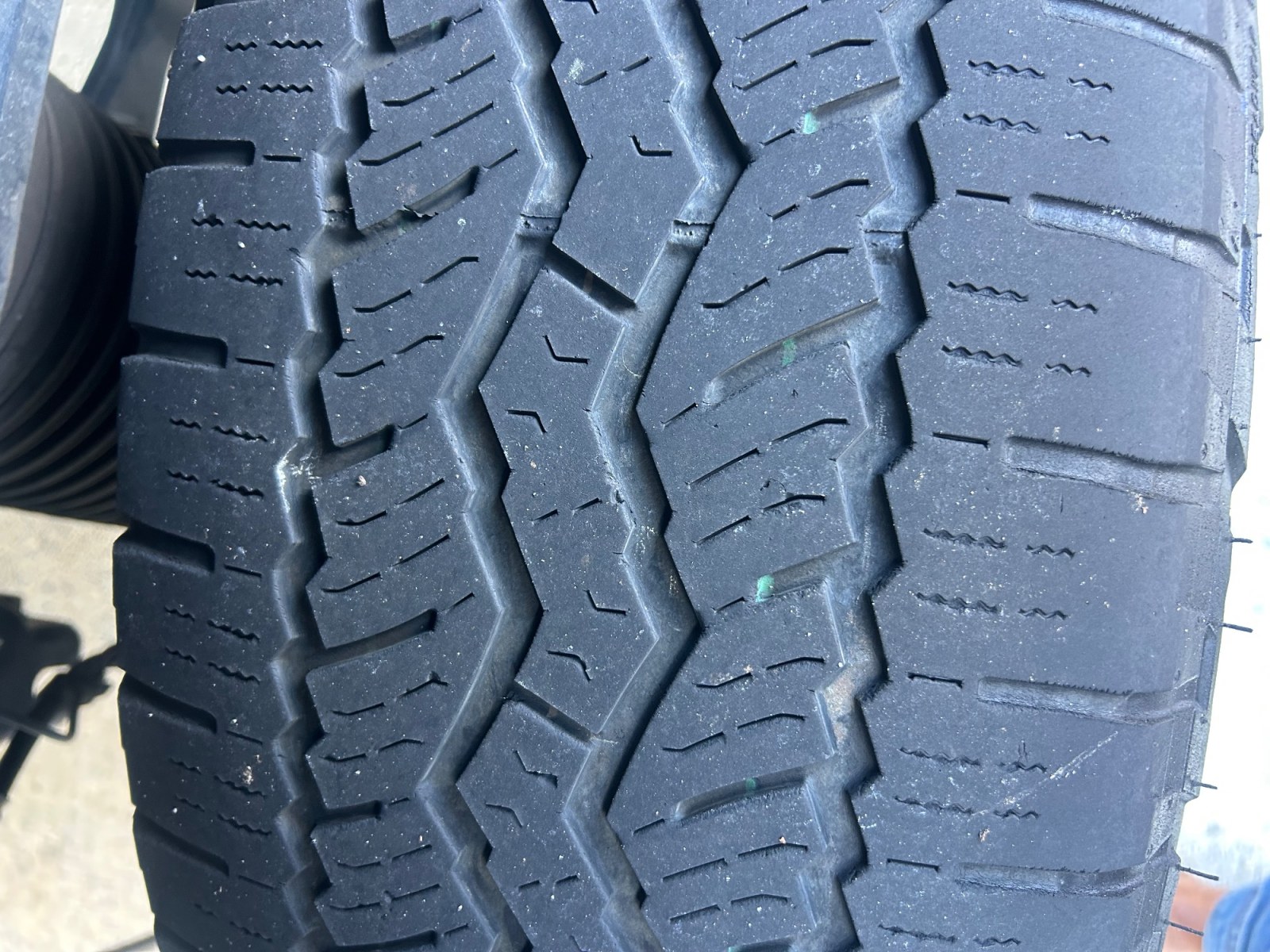
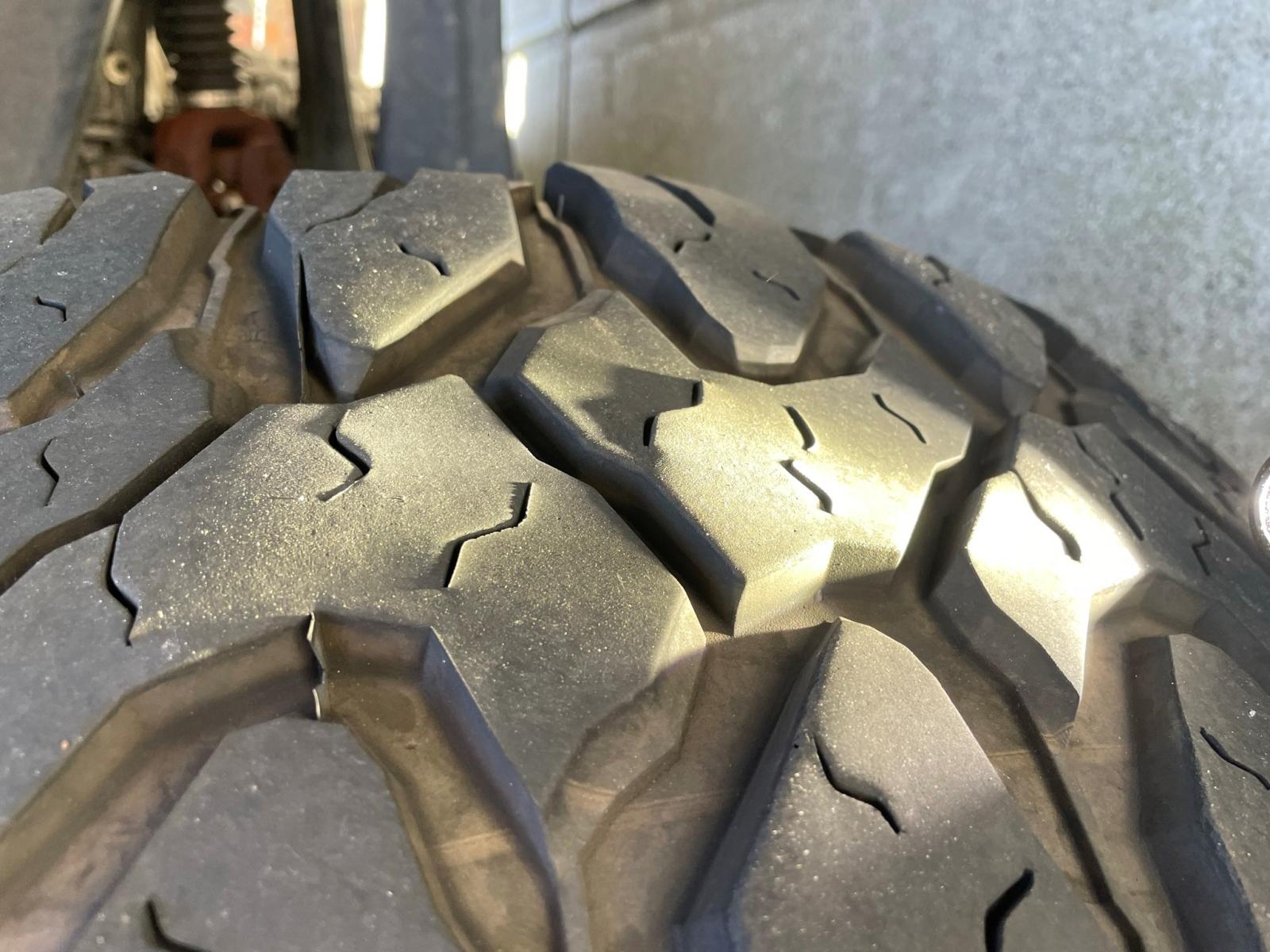
Tires condition & wearBrakes and tires 32%
The overall condition and remaining tread of the tires, including uneven or excessive wear. Worn or mismatched tires are an immediate cost, and an unusual wear pattern often reveals an alignment or suspension problem underneath.
Typical findings
- All tires are cracked
- Tires need replacement
- Front tires will need replacement soon
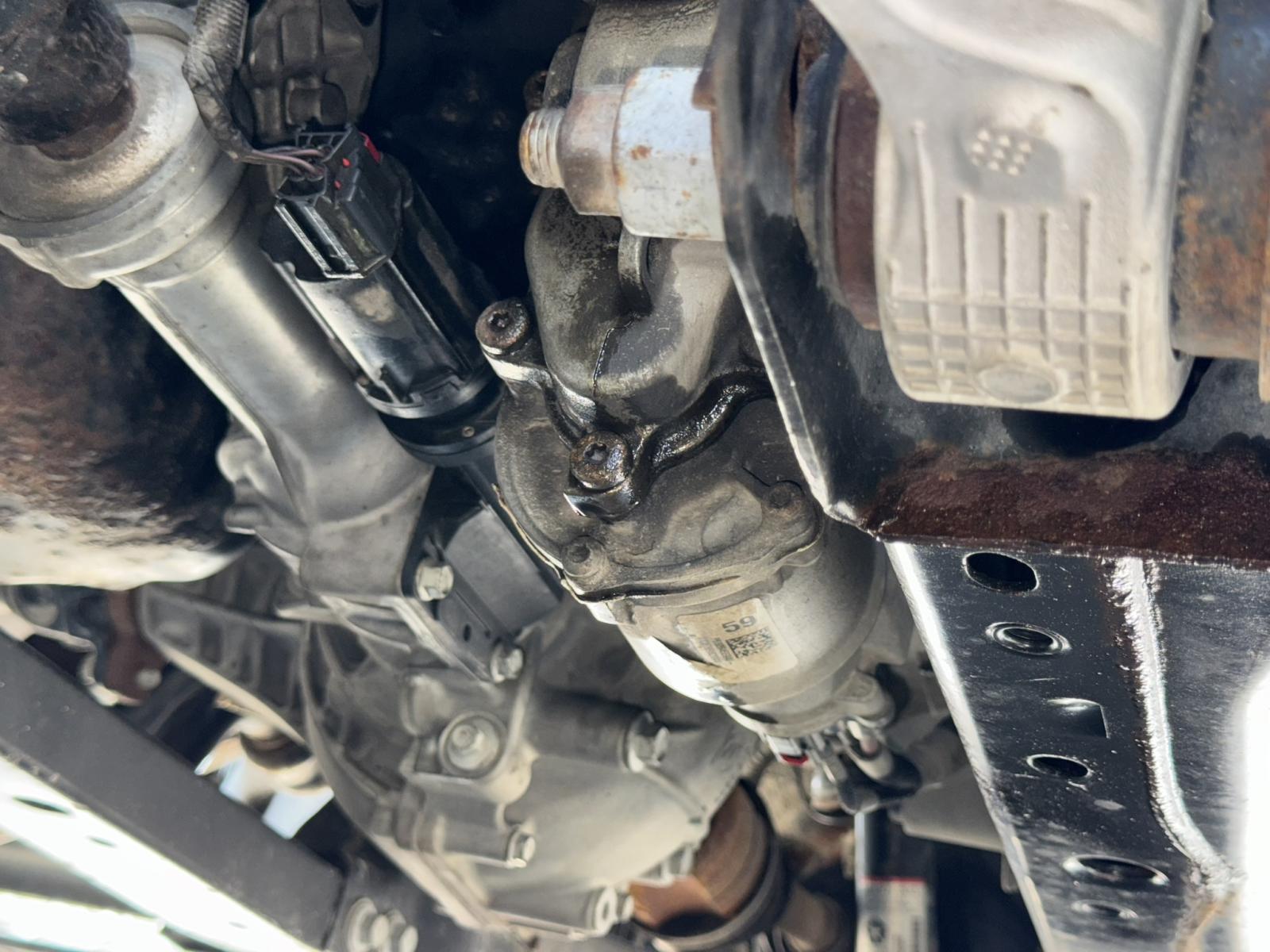
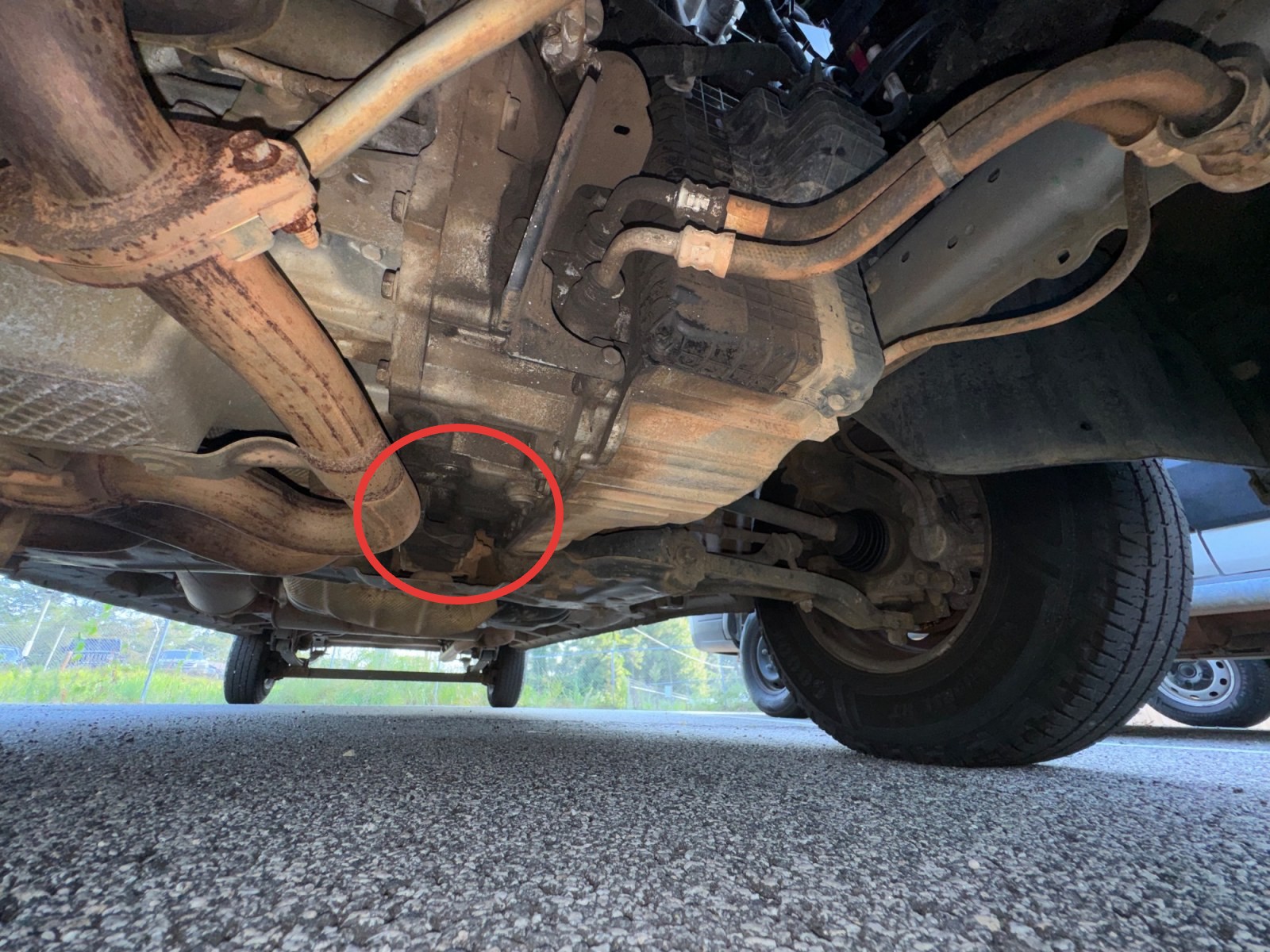
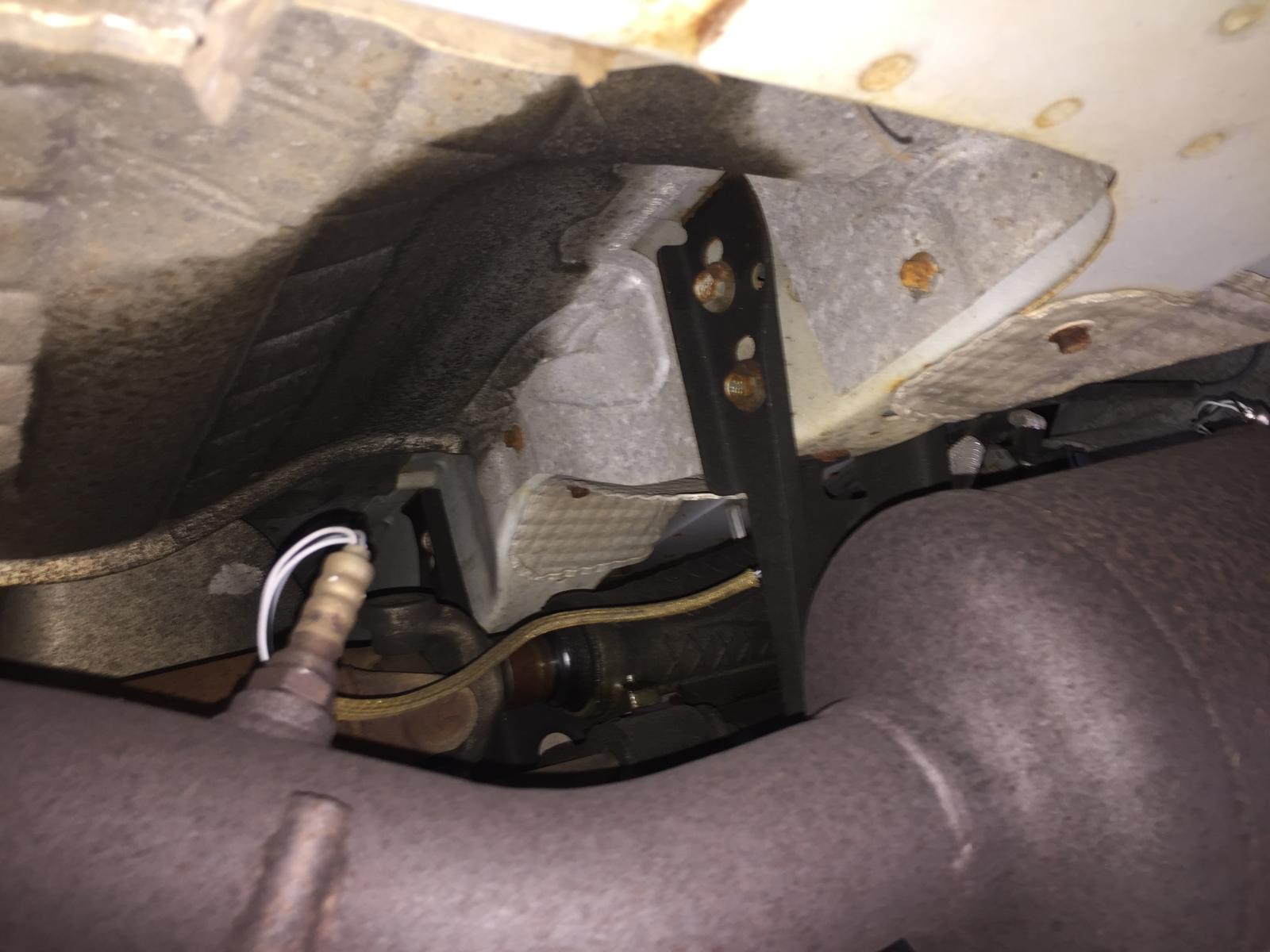
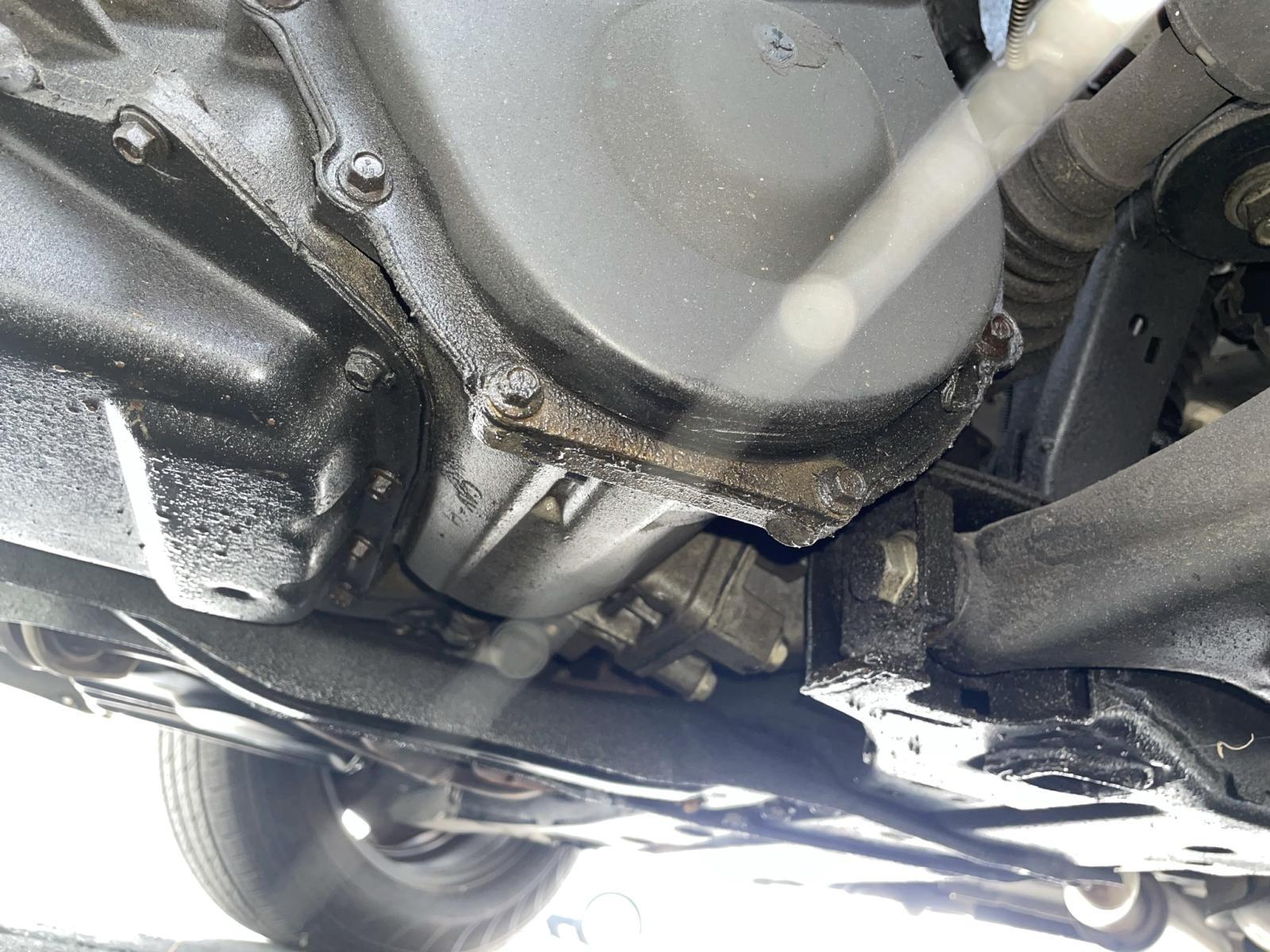
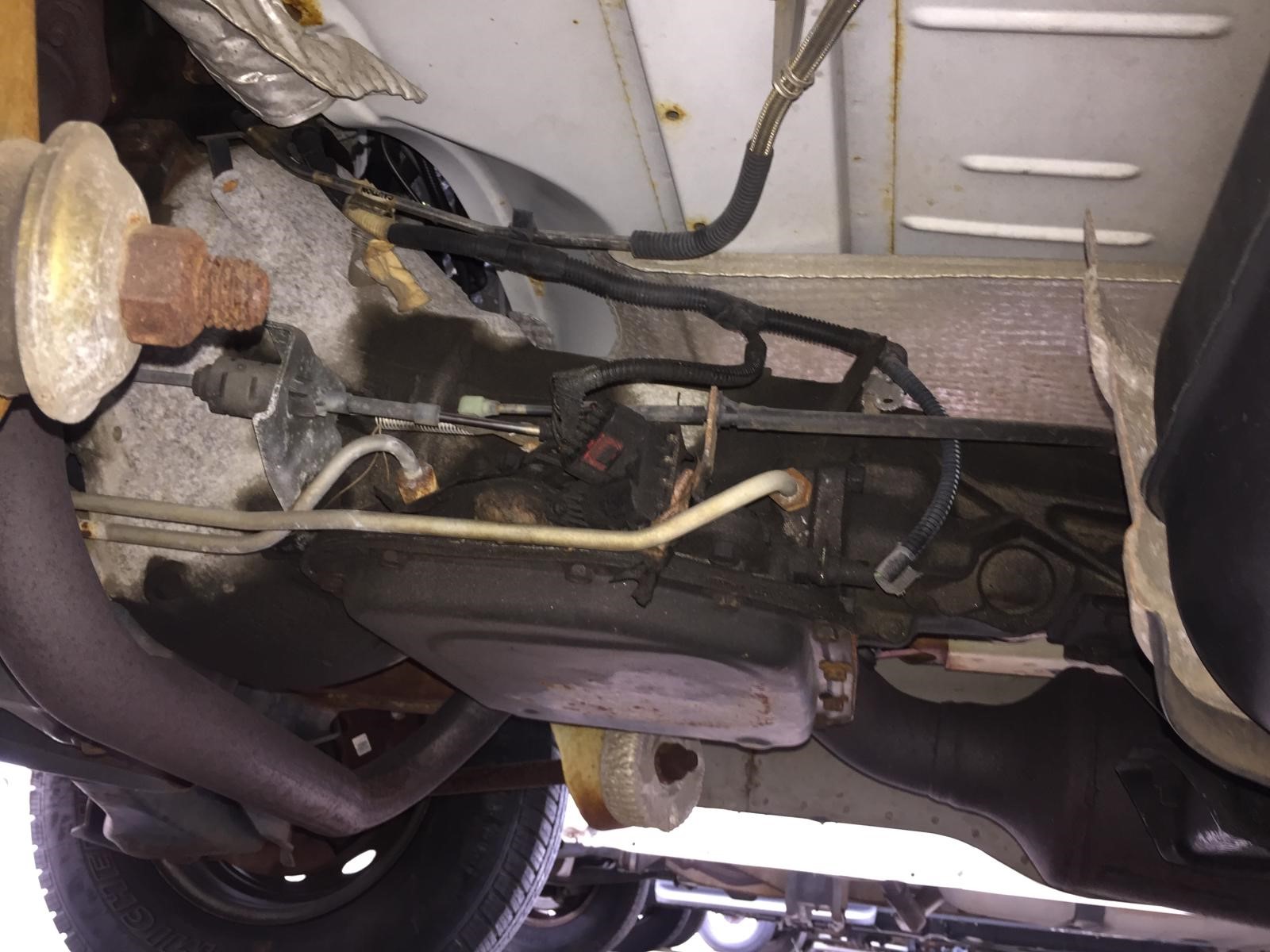
Oil leaksAutomatic transmission 29%
Leaks of transmission fluid, usually from the pan gasket, seals or cooler lines. Running low from an untreated leak is a common cause of harsh shifting and, eventually, expensive transmission failure.
Typical findings
- Oil pan leak
- Oil residue on the bottom of transmission housing
- Cooling line leak
Fuel trim out of rangeEngine 26%
The main factor that shows a general condition of the engine: intake, fuel, ignition systems. Ideally, it should be around 0% which means that all system work as expected. Acceptable fluctuation +/-5%. Bigger values indicate that ECU had to increase or decrease fuel injection due to some issues in order to keep the optimum air-fuel ratio.
Readings we found: -16.4% to +17.1%
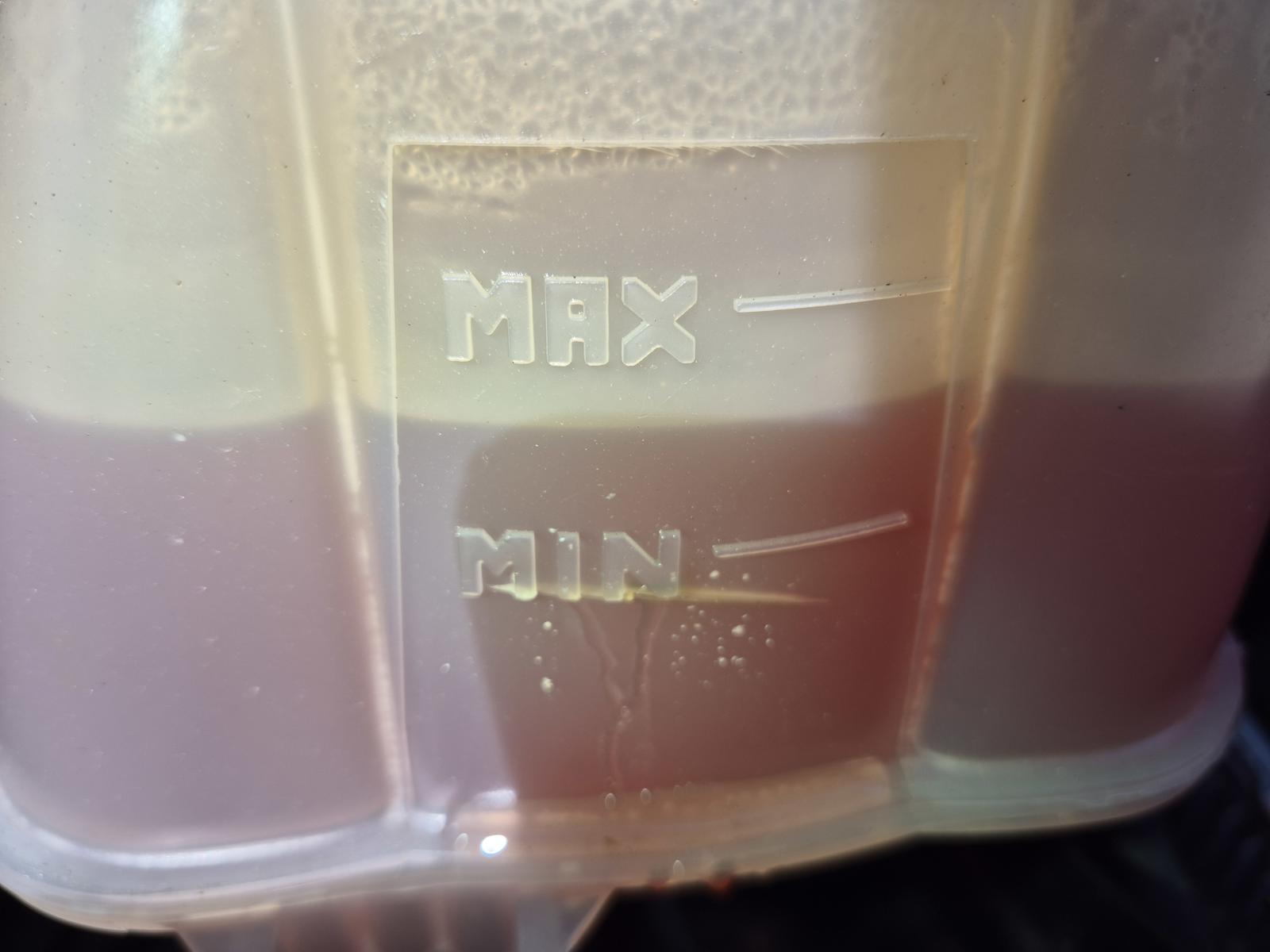
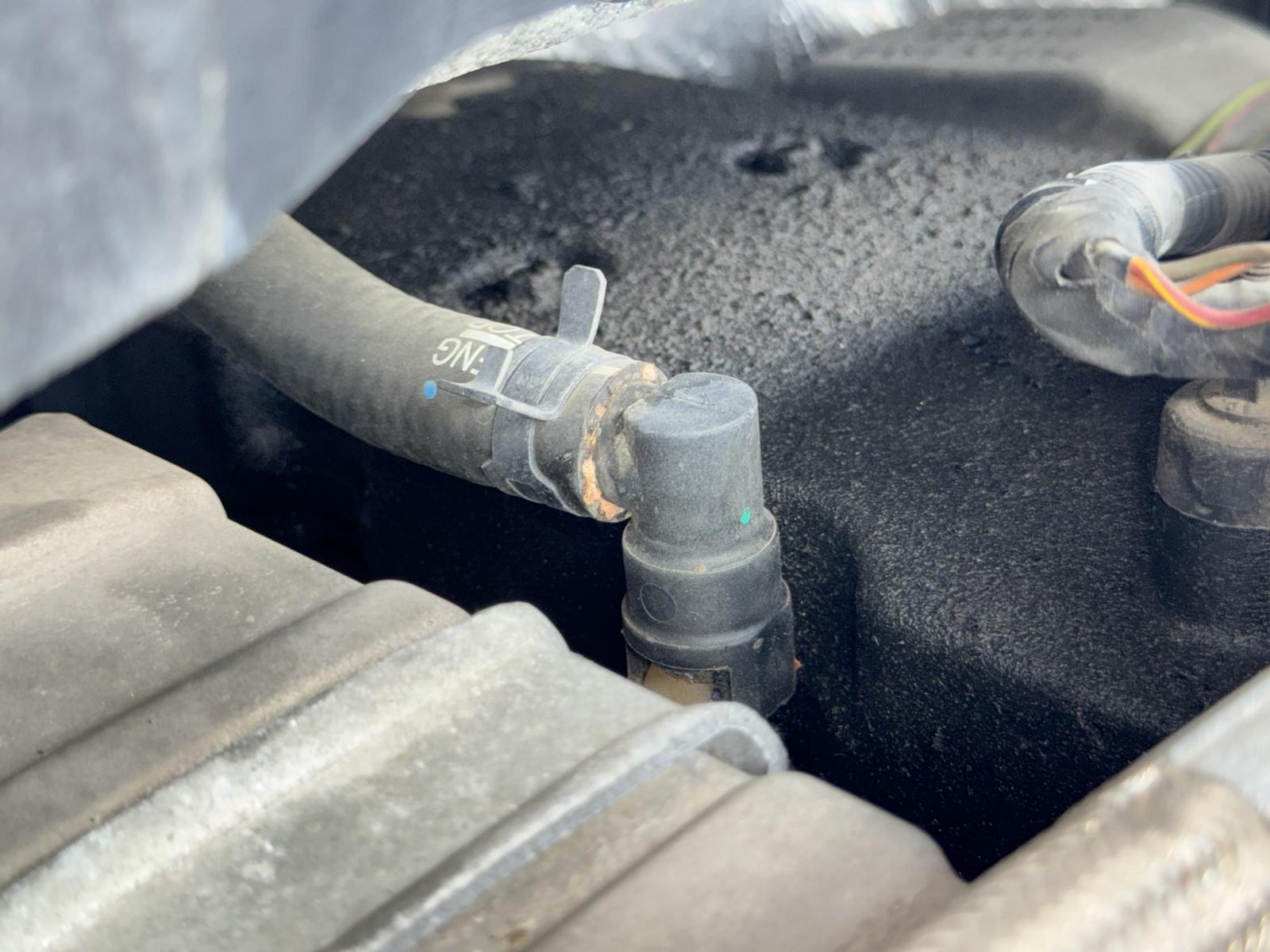
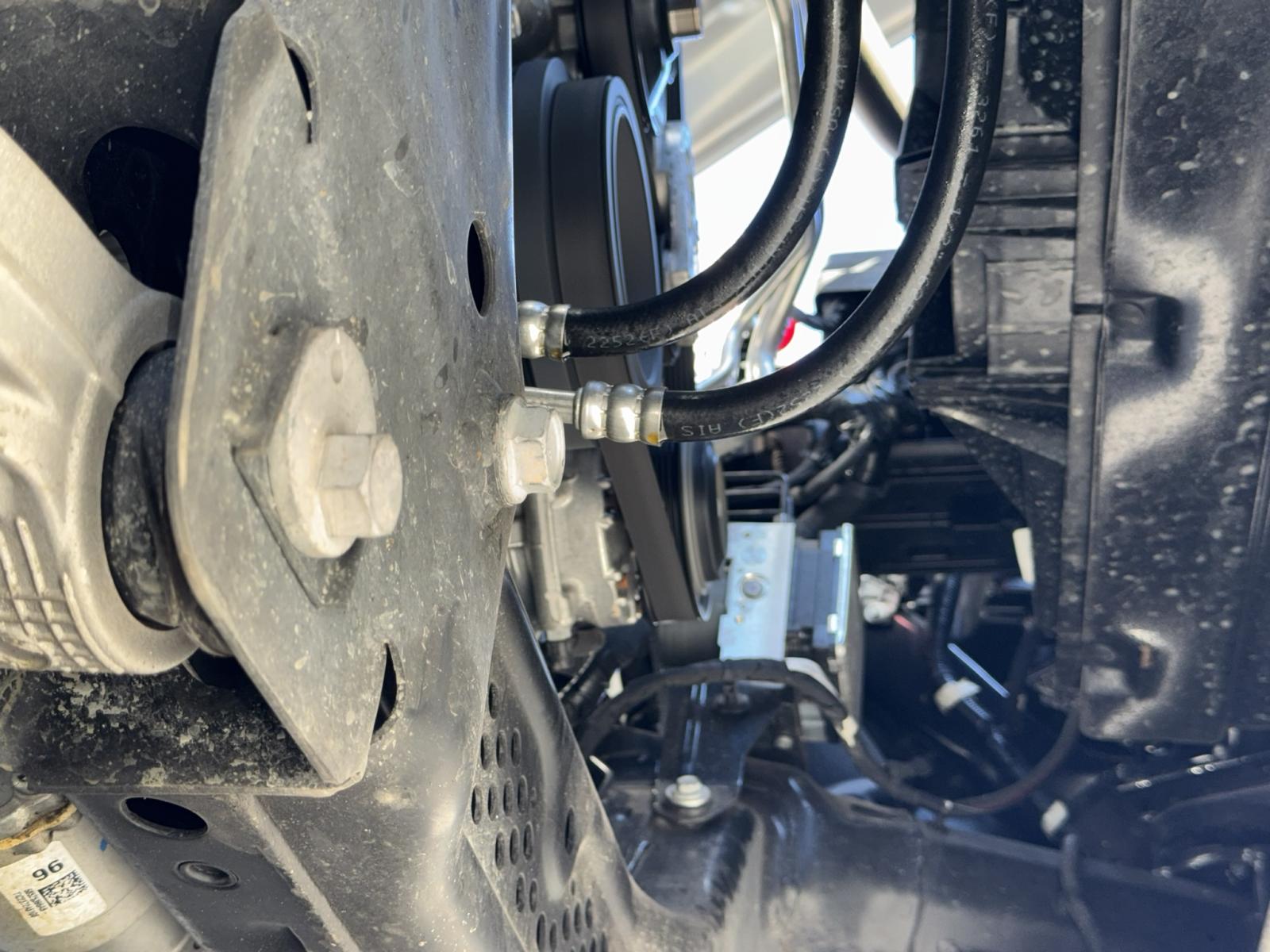
Low coolant / cooling system issuesEngine 26%
In most cases, cooling system issues are not expensive to fix, but ignoring them can cause engine overheating, leading to major problems like a blown head gasket or even damaged piston rings.
Typical findings
- Low coolant level
- Sign of a cooling system sealant in the expansion tank
- Needs flush
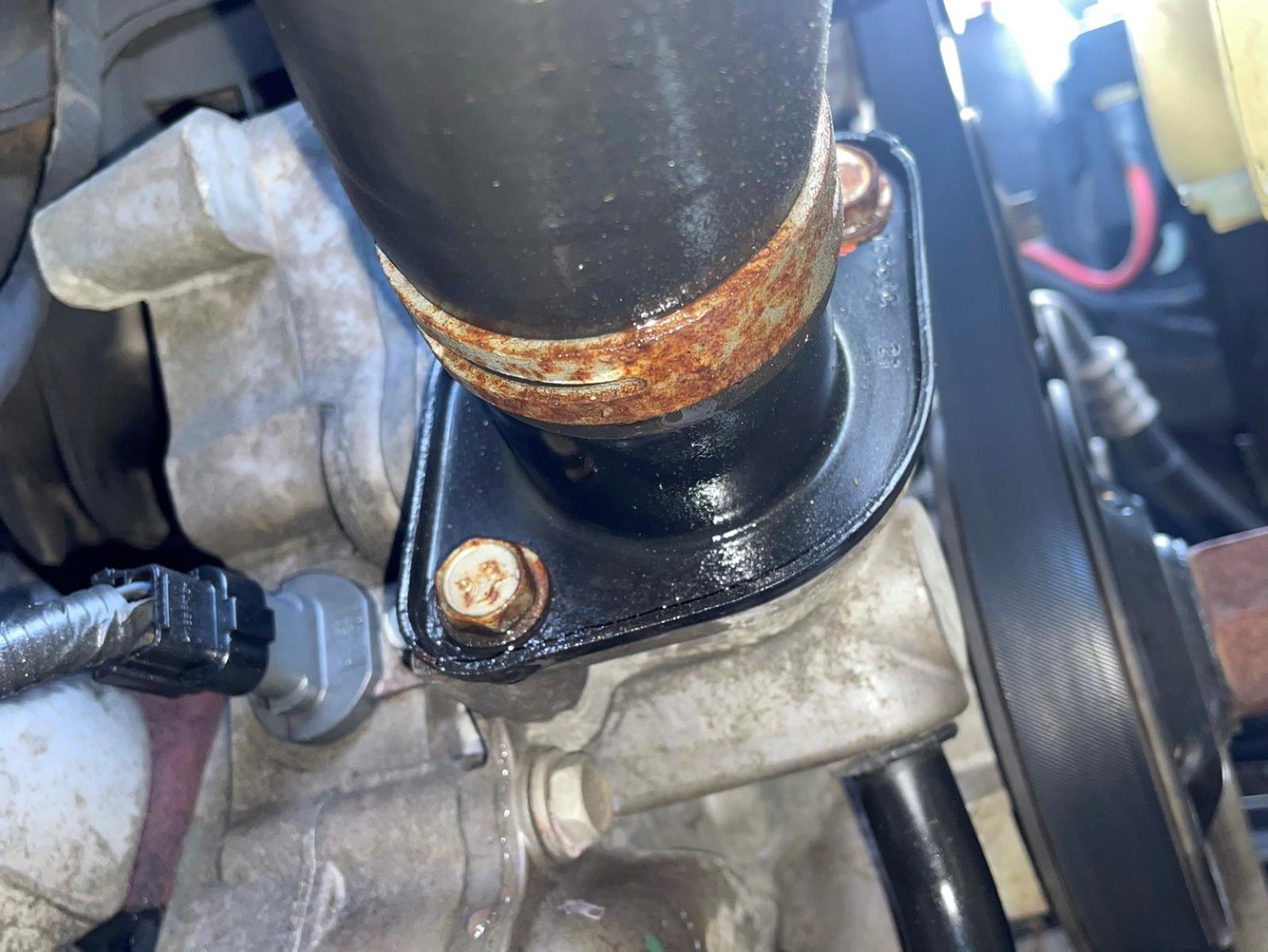
Dirty or low engine oilEngine 20%
Oil condition and level are crucial for engine reliability. If the oil is too dirty or, far worse, too low, irreversible damage may already have occurred.
Typical findings
- Dirty
- Level ok
- Oil level is very low (no oil on the dipstick!)
Body control moduleEquipment 16%
Typical findings
- B16D7-15 (left taillamp 1 control)
- B16DF-15 (right taillamp 1 control)
- Active error code: B1632-15 (left high beam control)
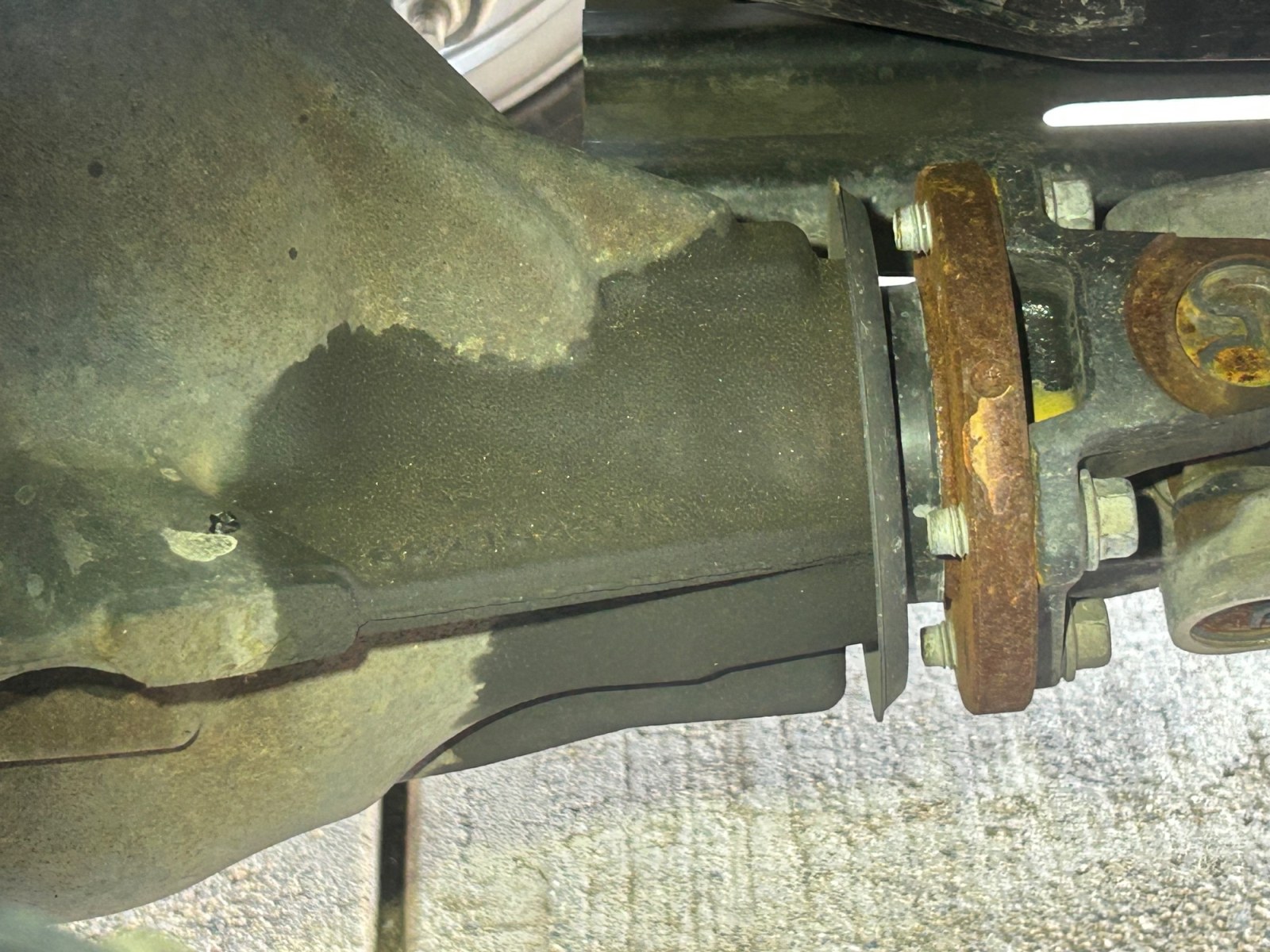
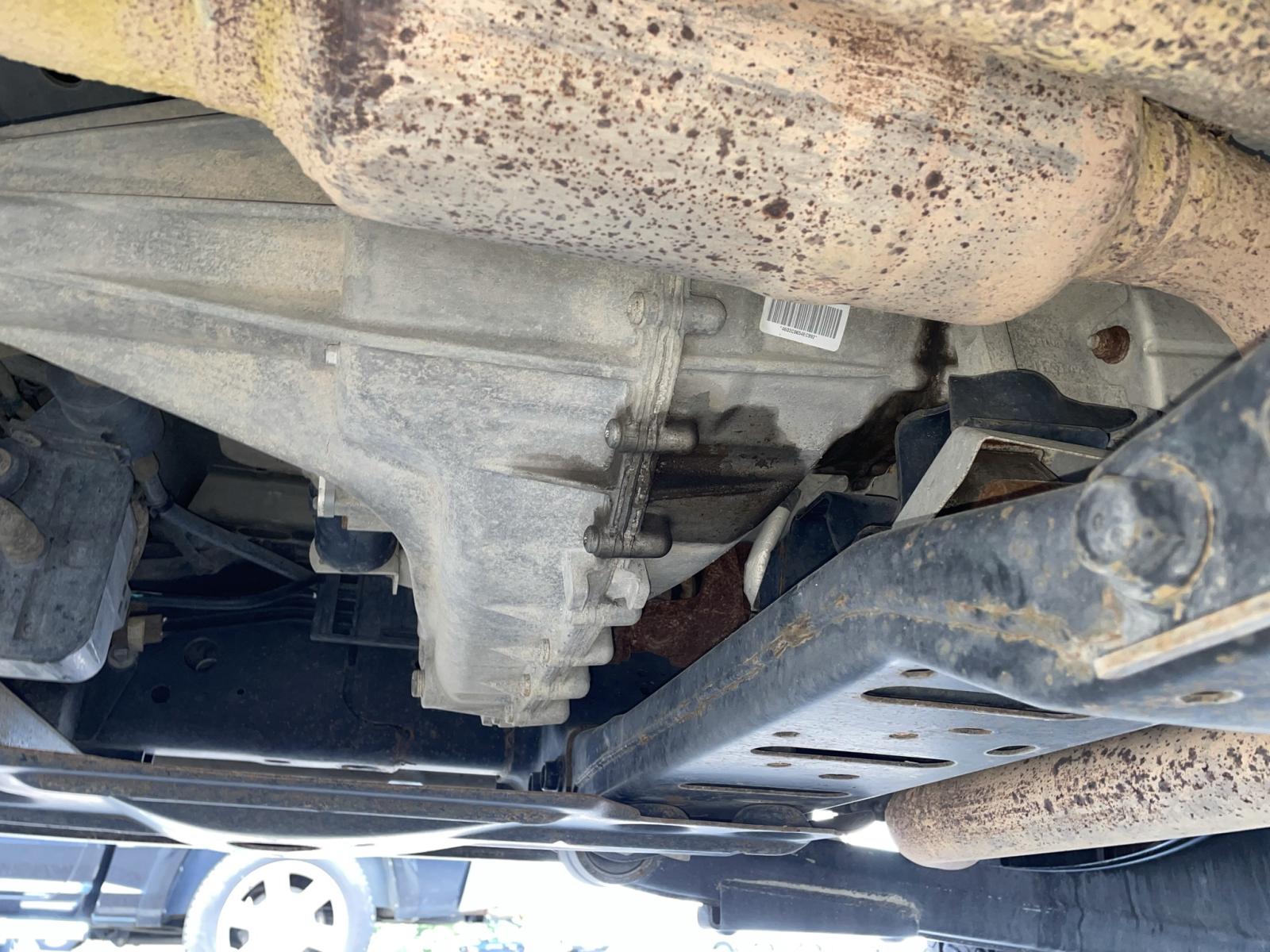
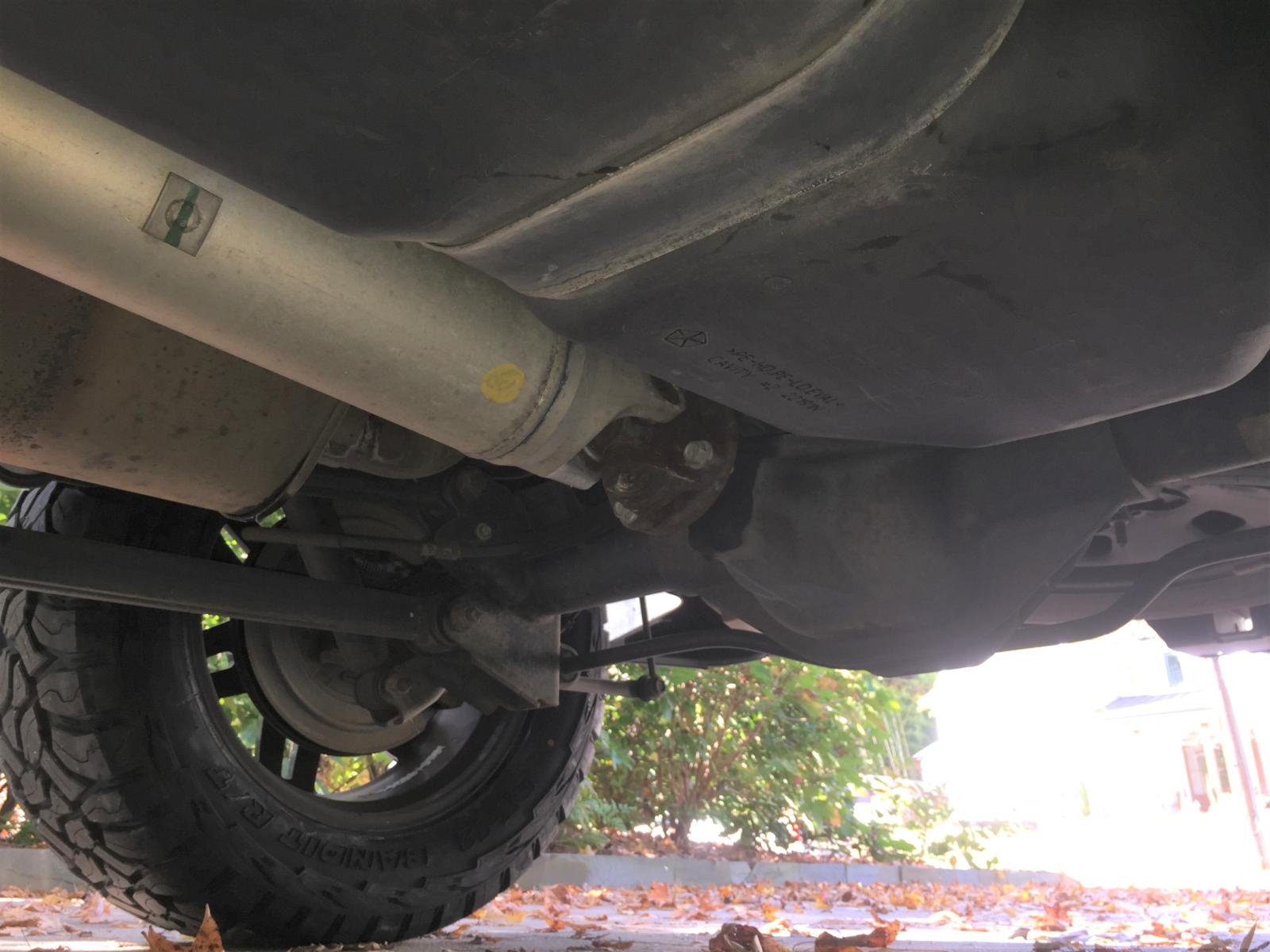
Oil leaksDrivetrain 16%
Leaks from the differential, transfer case or axle seals. Losing oil from these units accelerates wear and, if run dry, can cause expensive failure.
Typical findings
- Rear differential - driveshaft seal oil leak
- Left axle seal leak (minor, no repair needed)
- Transfer case is leaking
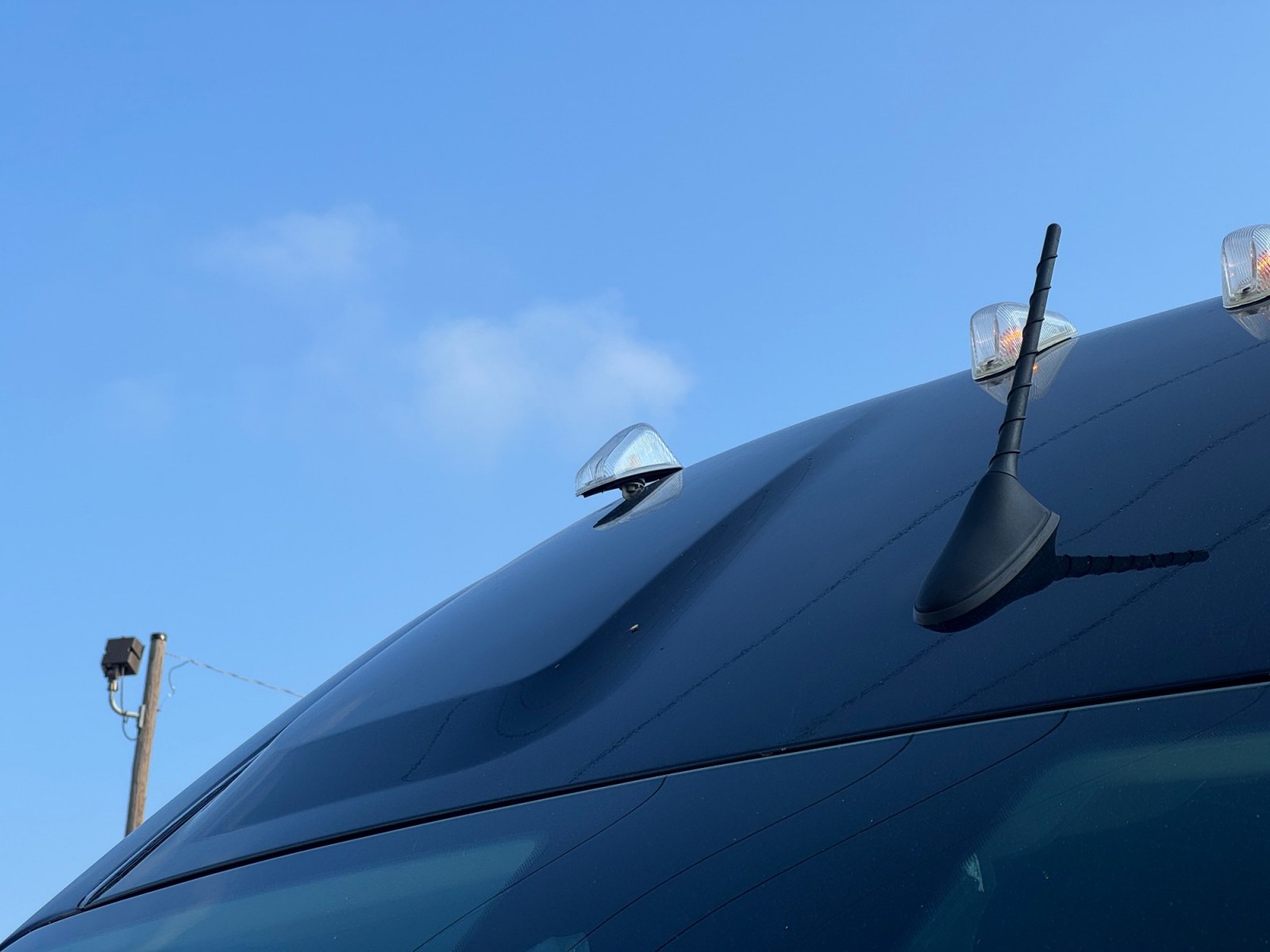
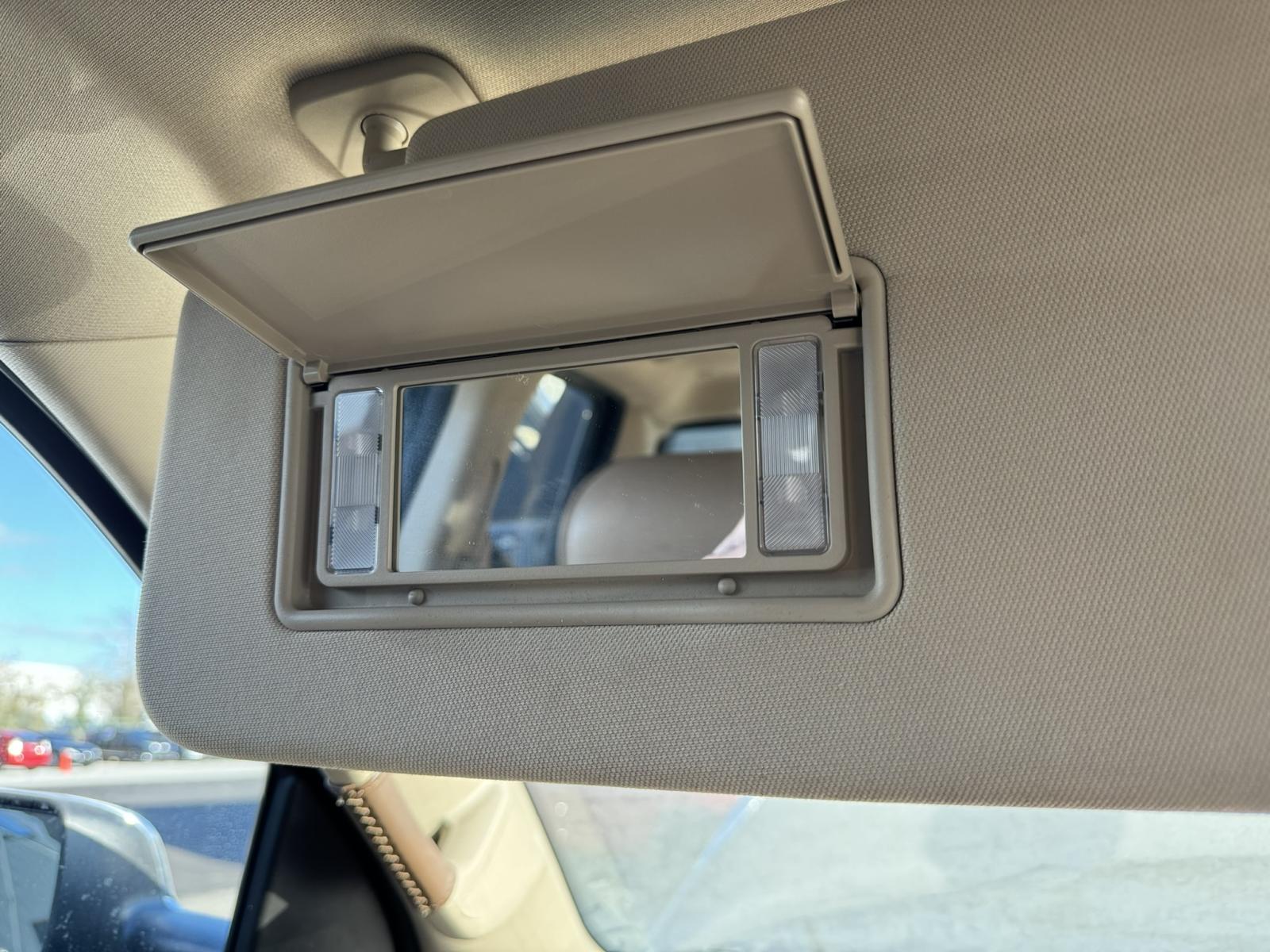
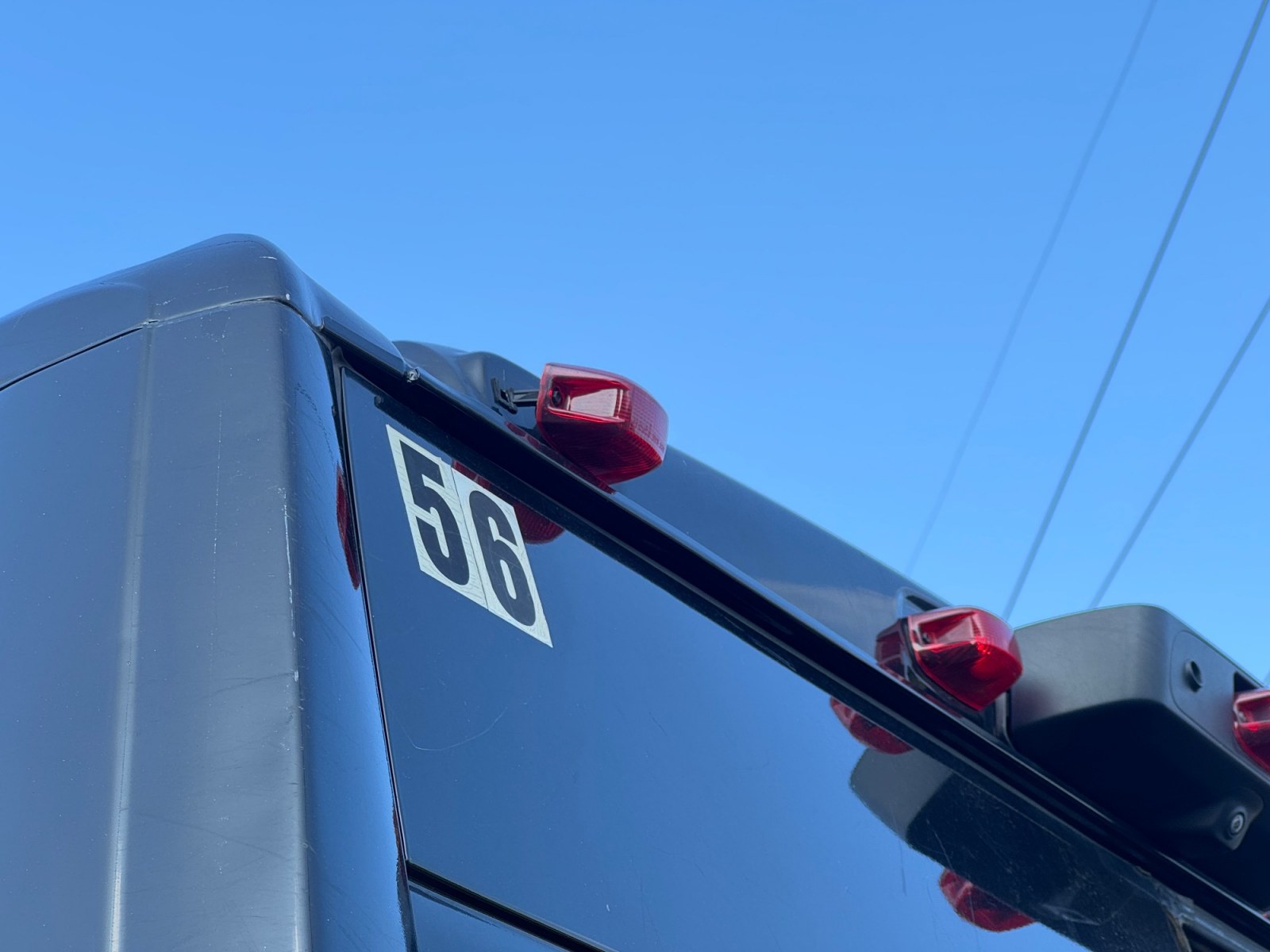
Lights not workingEquipment 15%
A check that the exterior and interior lights work — headlights, brake lights, turn signals, reverse and plate lights. A dead bulb is trivial, but a circuit that does not work can point to wiring or module faults and is an instant registration or safety issue.
Typical findings
- Reverse light doesn't work
- License plate lights don't work
- Fog light does not work
Market condition
This is the distribution of condition for the used RAM vehicles we inspected, next to all cars we check.
RAM
Excellent 35%
Good 26%
Mediocre 19%
Poor 20%
All cars
Excellent 26%
Good 30%
Mediocre 24%
Poor 20%
Average condition: RAM 64/100 · all cars 62/100. In good shape (60+): RAM 61% · all cars 56%.
Hidden history
Share of inspected cars. Lower is better, and a point or two is a tie.
Repainted or replaced panel
RAM
62%
All cars
74%
Structural repair found
RAM
0%
All cars
4%
Significant corrosion
RAM
6%
All cars
3%
Fault codes recently cleared
RAM
35%
All cars
24%
The bottom line
RAM is a split buy: inspection quality lands 6th of 19, but these trucks tend to fall off decent condition by ~90k miles, 22nd of 25. Trust the truck in front of you, not the badge. Structural repairs sit at 0%, yet 62% show a repainted panel and 35% have had codes cleared, while engine oil leaks, active error codes, tire wear, transmission leaks, and cooling issues keep turning up. Negotiate or walk when paint work is unexplained, codes were cleared, or leaks and low coolant stack together. A pre-purchase inspection should focus on paint history, a full code scan, engine and transmission leaks, the cooling system, and tires.
FAQ
?
?
How long do RAM vehicles last?
The RAM vehicles we inspect typically stay in decent condition (55/100 or better) until about 90k miles, 22nd of 25 makes.
?
What are the most common problems with a used RAM?
Across the RAM vehicles we inspected, the items we flag most often are oil leaks (39%), active error codes (35%), tires condition & wear (32%).
?
How does RAM rank against other brands?
RAM ranks 6th of 19 makes for reliability (IRI 1,972) and 22nd of 25 for longevity (~90k miles).
Thinking of buying a RAM? Get the exact car inspected before you pay.
Book an inspection
Based on 85 inspections · updated Nov 27, 2026
