

Are Teslas reliable?
82% of the 85 Teslas we inspected scored 60/100 or higher, averaging 73/100 — well above the 62/100 average for all cars we inspect.
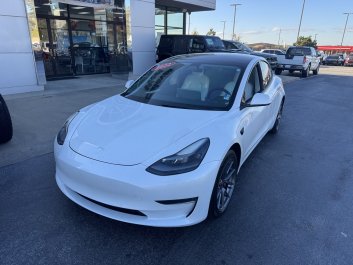
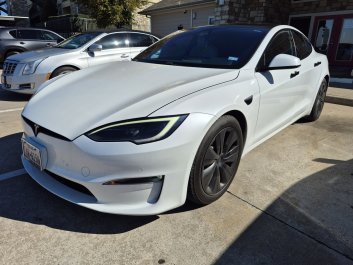
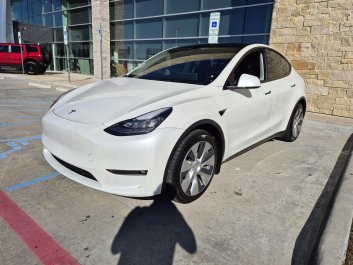
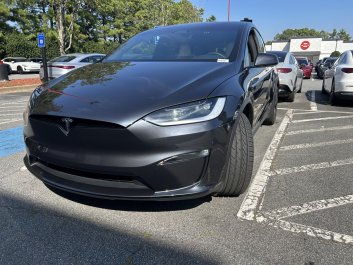
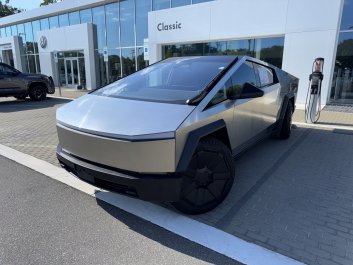
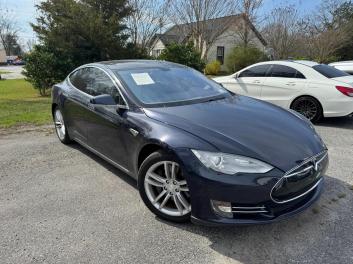
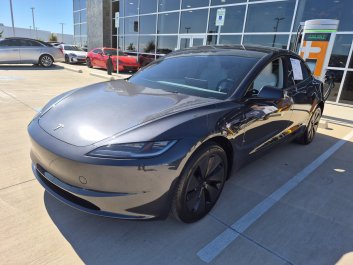
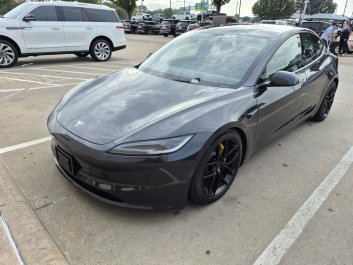
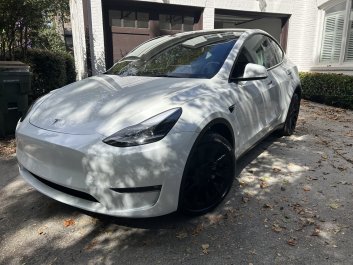
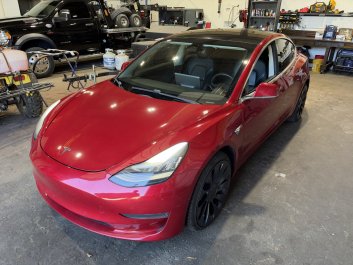
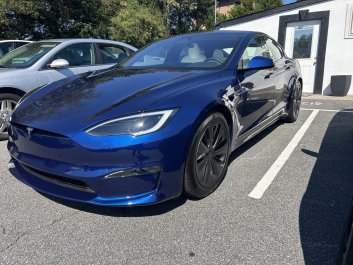
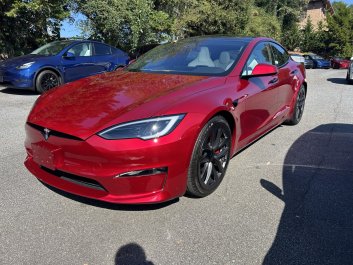
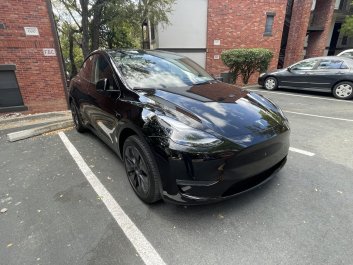
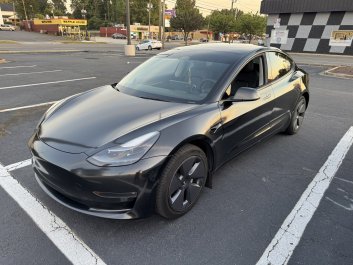
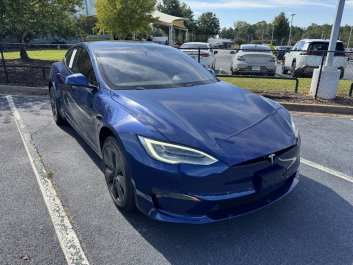
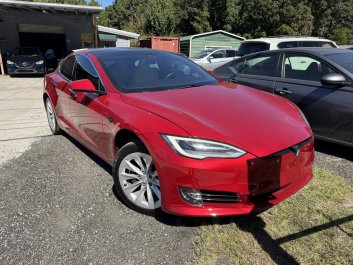
We analyzed 85 used Teslas during CarAdvisors pre-purchase inspections, revealing 109 mechanical, 44 electronic, and 530 body issues.
Using this data we rated Tesla cars two ways:
- Longevity is how far the average car goes before its condition drops below decent (55/100): ~182k miles for Tesla, 1st of 25.
- Integral Reliability Index (IRI) also counts how far above decent the cars stay along the way, so it rewards brands that stay in good shape, not just ones that last: Tesla scores 2,285, 3rd of 19 makes with enough data.
In short, Teslas last longer than most, but they spend less of that life in good shape than the top brands.
Compare with another brand:
Cross-shopping? Tesla vs BMW · Tesla vs Lexus · Tesla vs Mercedes
Tesla reliability and longevity
Teslas we inspected average 79/100 under 30k miles and reach decent condition (55/100) at about 182k miles. At 100k miles, the average Tesla scores 64/100, above the 58 average for all cars. Shopping a Tesla with 10–50k miles? That's where condition drops fastest, so a pre-purchase inspection matters most there.
- Tesla average condition
- All cars
- IRI = area above 55
The IRI is the area between a brand's condition curve and the decent-condition line (55), from the cars we inspected out to the mileage where its average crosses 55. Unit: condition points × 1,000 miles. Higher means cars stay further above decent condition, for longer.
Good car percentage
Share of Teslas we inspected that scored 60/100 or higher, by mileage. Under 50k miles, 80% of Teslas were in good shape; at 100–150k it drops to 61%, versus 37% for all cars.
Good cars by mileage
- Tesla
- All cars
Share of Teslas we inspected that scored 60/100 or higher, by age. 82% of Teslas up to 5 years old were in good shape.
Good cars by age
- Tesla
- All cars
Tesla models we've inspected
Model 3
37 cars · 79% good
Model S
18 cars · profile soon
Model Y
14 cars · profile soon
Model X
13 cars · profile soon
Recently inspected:
2023 Tesla Model 3 · 78k mi — flagged: low coolant / cooling system issues, front vehicle controller, restraints control module. Inspected Nov 18.
2022 Tesla Model S · 67k mi — flagged: tires condition & wear, seats, air filter. Inspected Nov 17.
Most common faults
From 153 technical issues, these are the most common ones for used Teslas, with examples of actual findings and real photos from inspection reports.
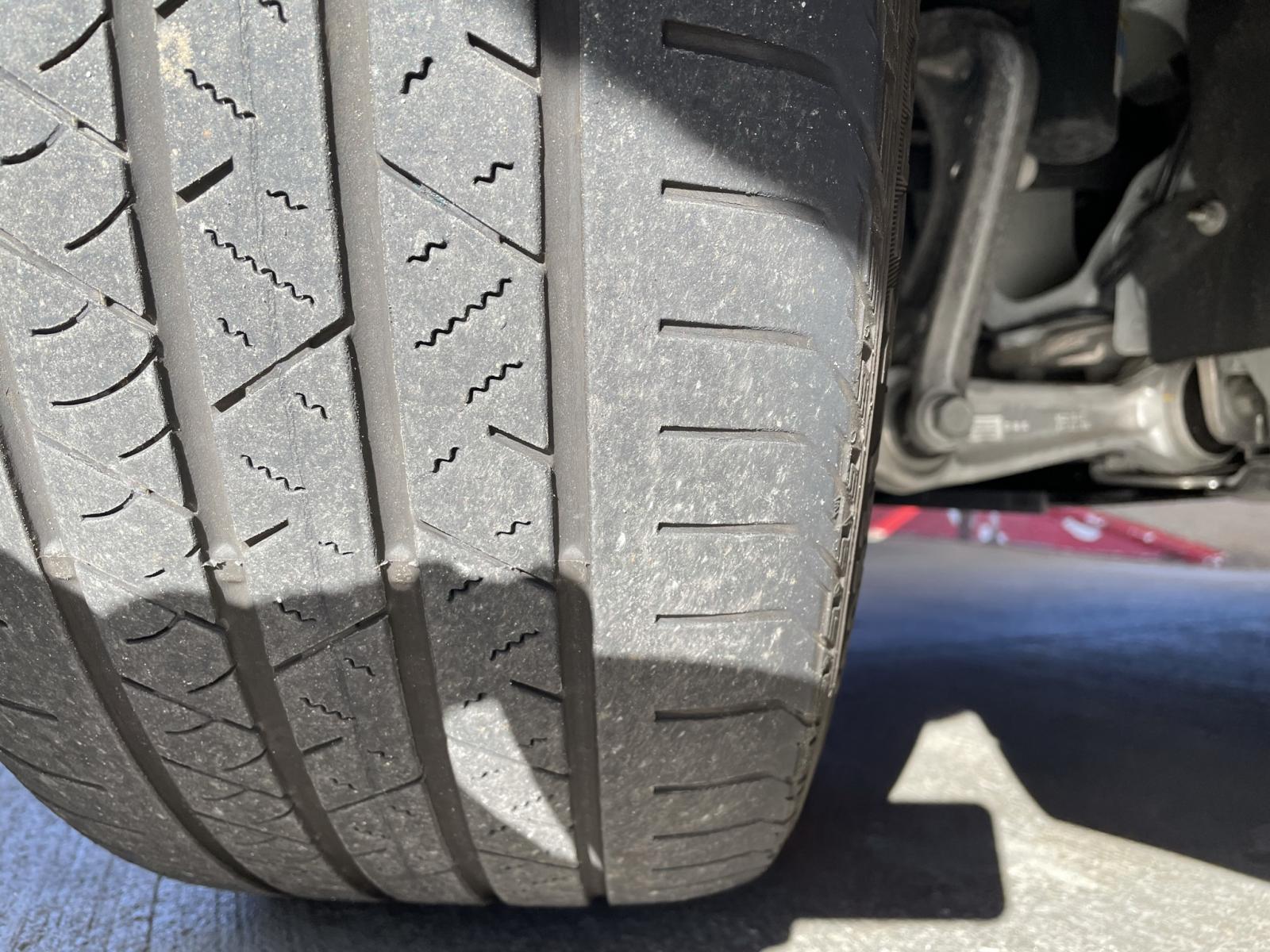
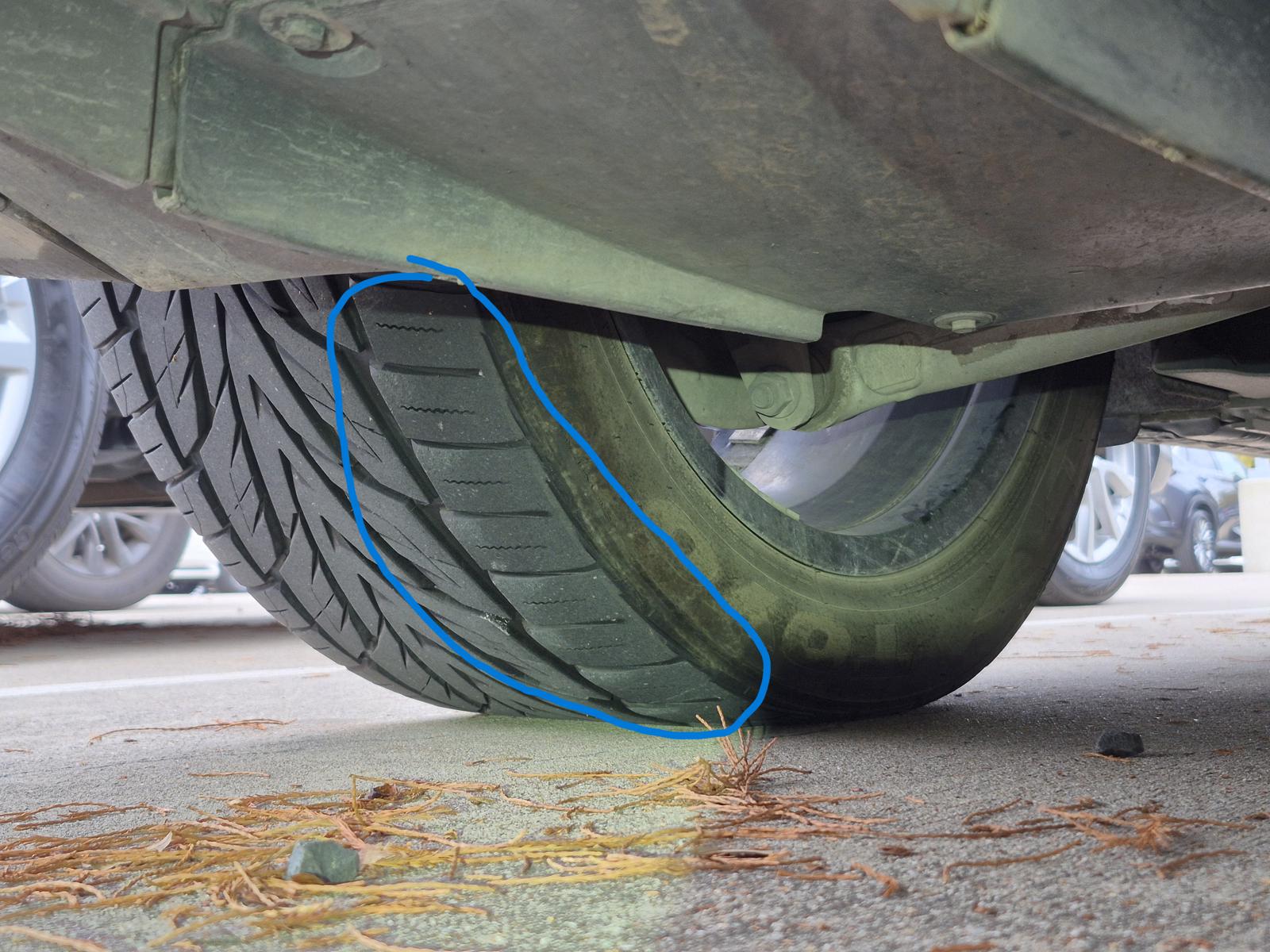
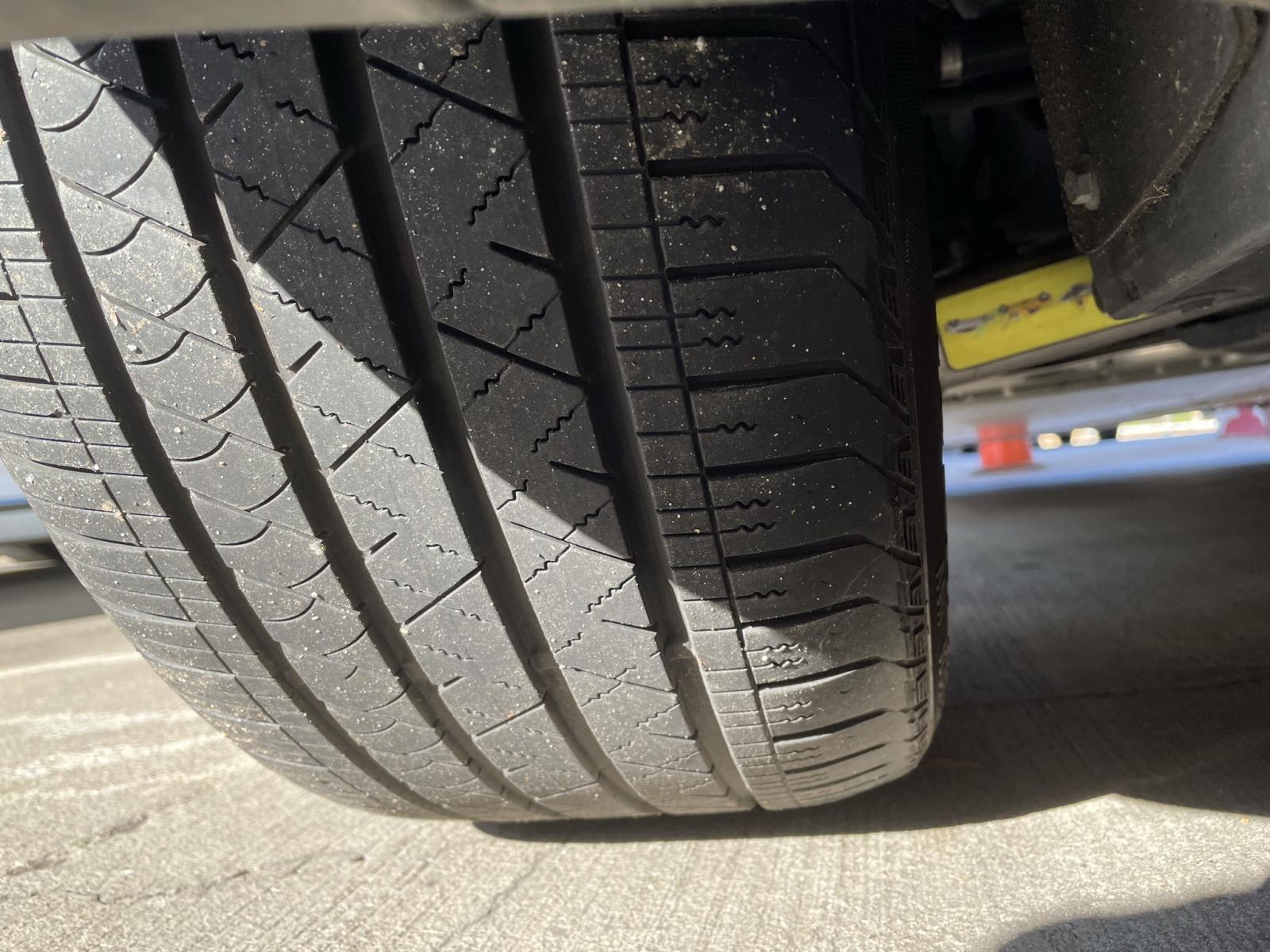
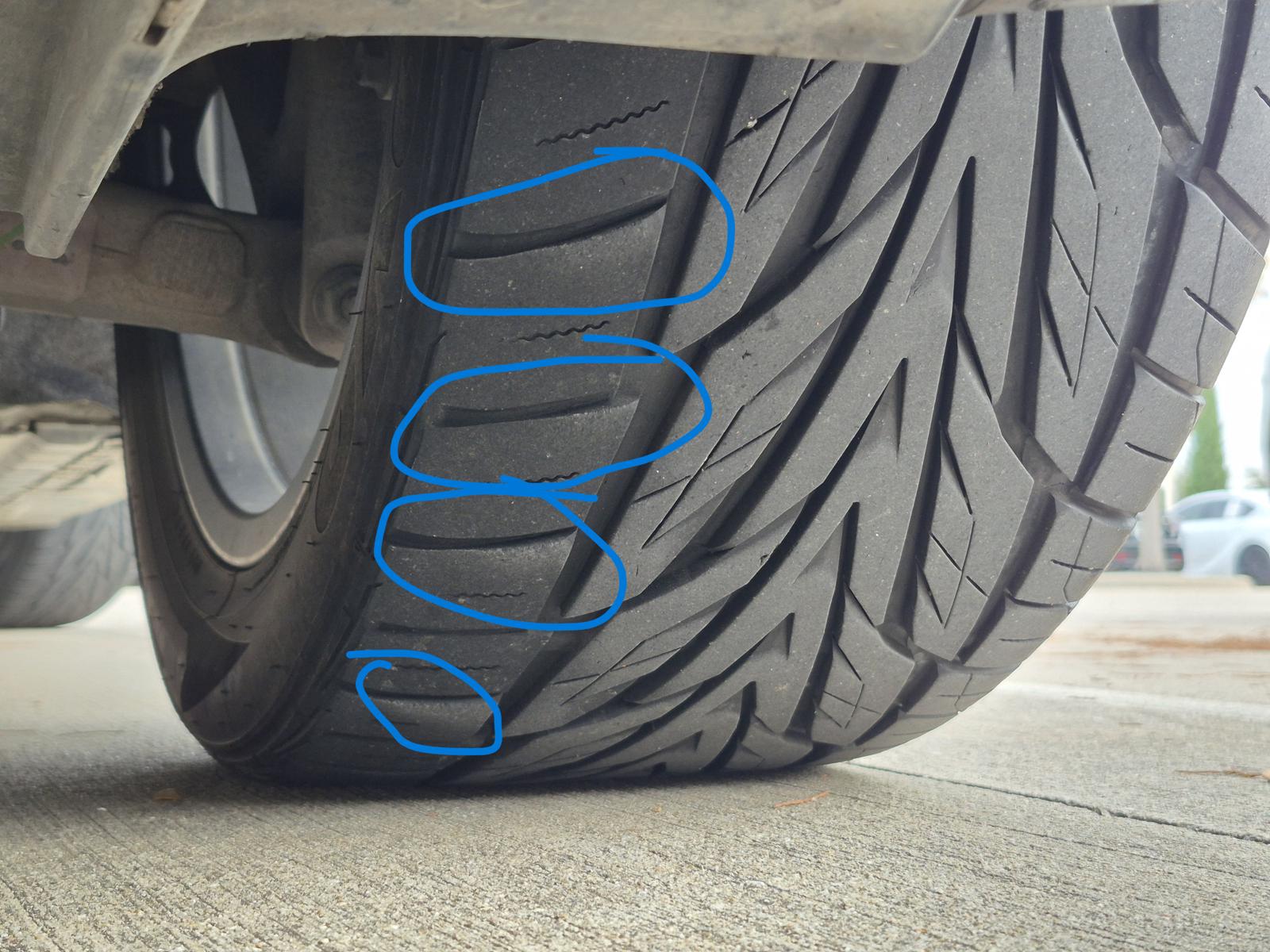
Tires condition & wearBrakes and tires 35%
The overall condition and remaining tread of the tires, including uneven or excessive wear. Worn or mismatched tires are an immediate cost, and an unusual wear pattern often reveals an alignment or suspension problem underneath.
Typical findings
- Front tires are different
- Front tires worn
- Rear tires are different
Active error codesElectronic equipment 16%
An active error code is a fault the car's computer reported during the scan and that was still present, not an old code sitting in memory. It can be a warning light or a lost sensor, and some of these are a repair worth pricing before you buy.
Typical findings
- Tire-pressure sensor fault
- During calibration, the coolant valve is unable to meet the calibration target…
- Init_failure
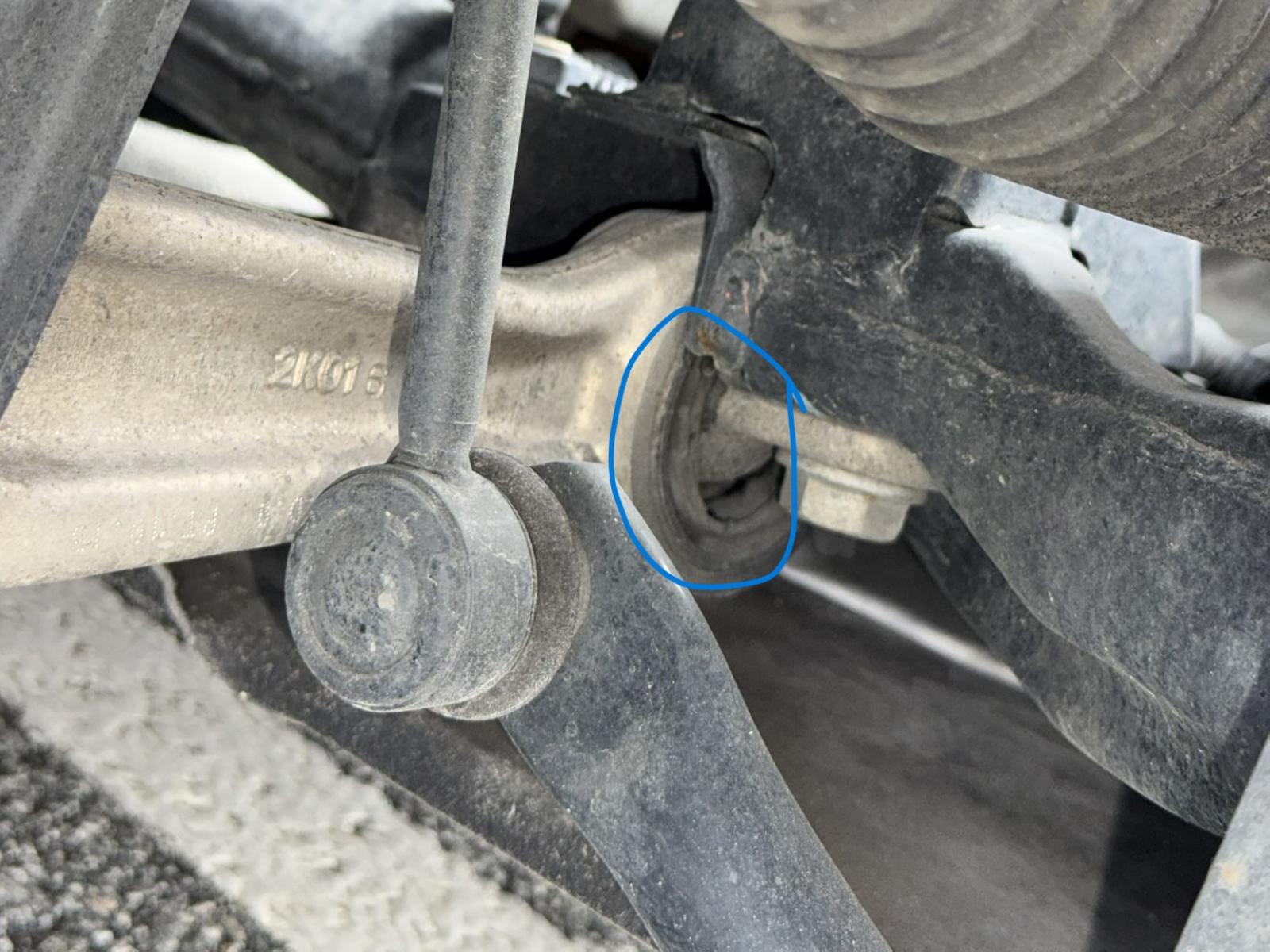
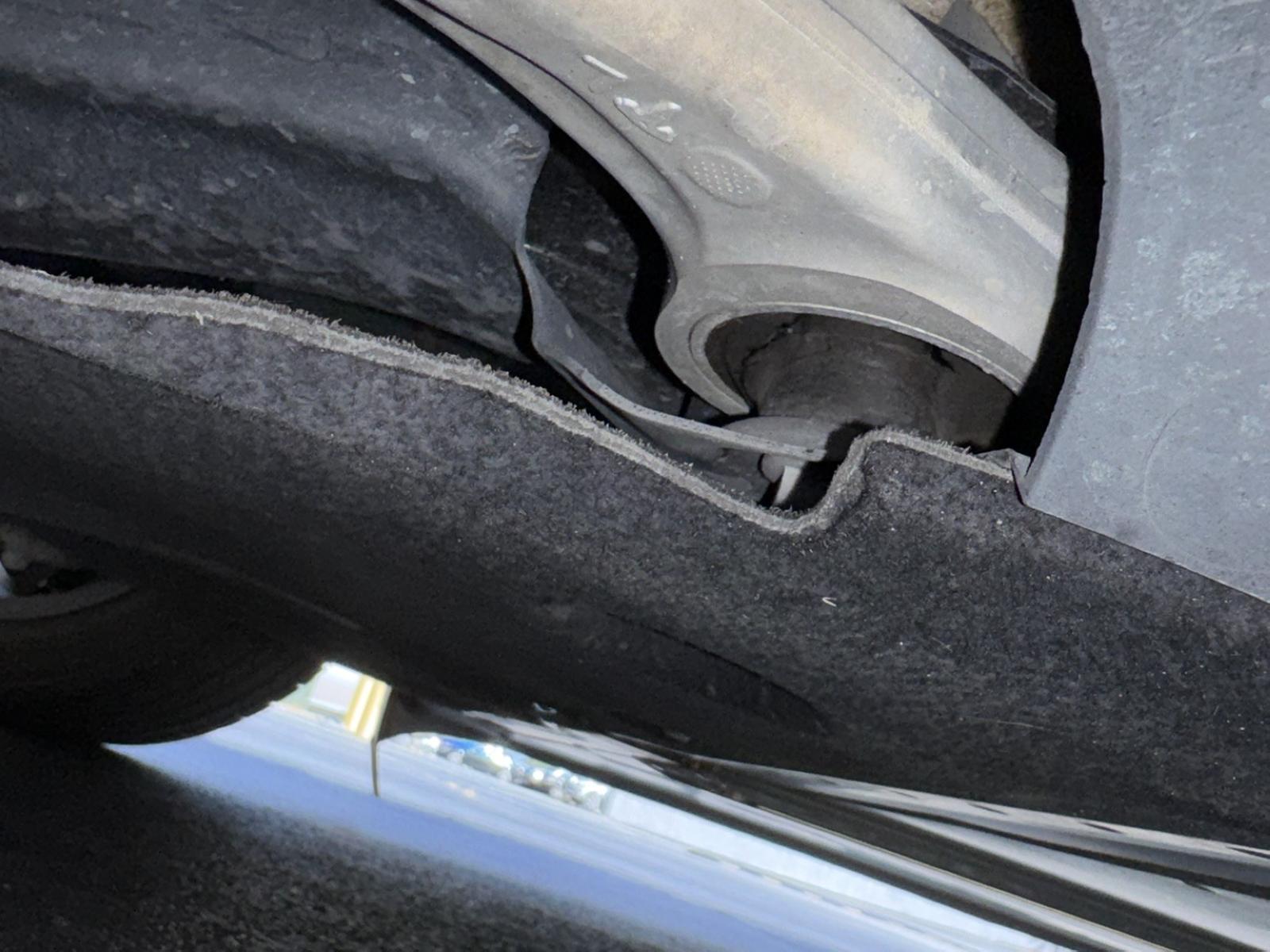
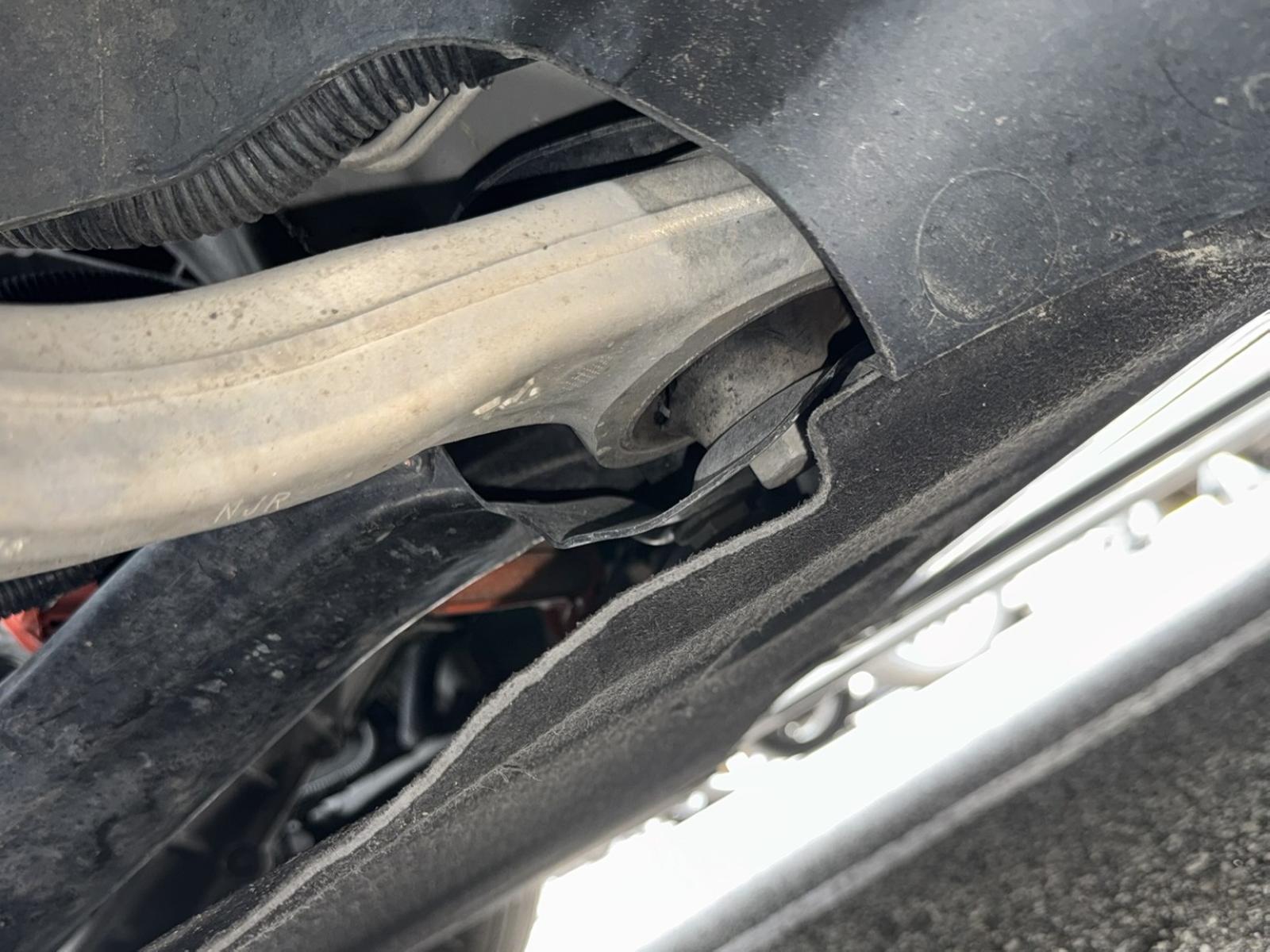
Cracked or torn suspension bushingsSuspension 11%
The rubber bushings that locate the suspension arms and subframe. Cracked, torn or perished bushings cause clunks, vague handling and uneven tire wear; replacement ranges from cheap to labor-intensive depending on location.
Typical findings
- Front rubber bushings are cracked
- Front rubber bushings are torn
- Front rubber bushings are worn out
VibrationDrivetrain 9%
Vibration felt through the car while driving, often traced to the driveshaft, CV joints or worn universal joints. Persistent vibration should be diagnosed, as it tends to worsen and can damage related parts.
Typical findings
- Vibration under load at 30-40mph (possible issues with the CV-joints)
- Vibration after 40mph - unbalanced tires or bent rims
- Vibration after 50mph - unbalanced tires or bent rims
Abnormal noiseSuspension 7%
Knocks, creaks or rattles from the suspension over bumps. These usually point to worn bushings, ball joints, links or shock mounts and are worth pinning down before buying.
Typical findings
- Knocking in the front
- Rattling on bumps - needs to check sway bar links
- There is a knocking sound in the front suspension
SeatsEquipment 7%
The condition and adjustment of the seats, including powered movement and heating where fitted. Wear beyond the car's age can hint at higher real mileage, and power-seat faults can be costly.
Typical findings
- Driver's seat is loose
- Driver's seat squeaks when moves up/down
- Rear right seat doesn't lock (moves back/forth)
Steering pullSuspension 7%
Whether the car tracks straight or pulls to one side. A pull can come from something as simple as uneven tire pressure or alignment, or from worn suspension and steering parts or a dragging brake.
Typical findings
- Needs alignment
- Pulls to the right
- Pulls to the left
Electronic components issuesEngine 6%
A scan of the engine control modules for stored and active trouble codes. Active codes point to a fault the car is detecting right now; they often explain a check-engine light and should be understood before you buy.
Typical findings
- Potentially leading to function limitations.
- Active error code: VCBATT_a254_pumpBatStopped (The cooling pump has a fault…
- Active error code: VCFRONT_a210_coolantValveCalib (During calibration, the…
Estimated battery degradationEngine 5%
Typical findings
- 16% (281mi range at full charge)
- 21% (266mi at full charge)
- 24% (198mi estimated range at 100%)
Low coolant / cooling system issuesMotor 5%
The system that keeps the electric motor, inverter and battery within temperature. Low coolant or a weak pump can force the car to cut power to protect itself, so leaks and level matter as much here as on a gas engine.
Typical findings
- Dirty radiator
- Low coolant level (minimum)
- Coolant level is below the minimum
Market condition
This is the distribution of condition for the used Teslas we inspected, next to all cars we check.
Tesla
Excellent 38%
Good 44%
Mediocre 18%
Poor 1%
All cars
Excellent 26%
Good 30%
Mediocre 24%
Poor 20%
Average condition: Tesla 73/100 · all cars 62/100. In good shape (60+): Tesla 82% · all cars 56%.
Hidden history
Share of inspected cars. Lower is better, and a point or two is a tie.
Repainted or replaced panel
Tesla
64%
All cars
74%
Structural repair found
Tesla
2%
All cars
4%
Significant corrosion
Tesla
0%
All cars
3%
The bottom line
Tesla is a strong used buy on the numbers we have: 3rd of 19, with cars staying decent out to ~182k miles, 1st of 25. That still leaves real shopping work. A repainted panel shows on 64% of these cars, under the 74% fleet rate, and structural repair is uncommon at 2%. Look at the tires first, then active error codes and cracked suspension bushings. Worn tires, stored codes, or drivetrain vibration are fair grounds to negotiate or walk away. A pre-purchase inspection should focus on tire condition, electronic fault codes, and suspension bushings.
FAQ
?
?
How long do Teslas last?
The Teslas we inspect typically stay in decent condition (55/100 or better) until about 182k miles, 1st of 25 makes.
?
Is a Tesla with 100k miles worth buying?
At 100k miles, the average Tesla scores 64/100, above the 58 average for all cars. Shopping a Tesla with 10–50k miles? That's where condition drops fastest, so a pre-purchase inspection matters most there.
?
What are the most common problems with a used Tesla?
Across the Teslas we inspected, the items we flag most often are tires condition & wear (35%), active error codes (16%), cracked or torn suspension bushings (11%).
?
How does Tesla rank against other brands?
Tesla ranks 3rd of 19 makes for reliability (IRI 2,285) and 1st of 25 for longevity (~182k miles).
Thinking of buying a Tesla? Get the exact car inspected before you pay.
Book an inspection
Based on 85 inspections · updated Nov 27, 2026
