

Are GMCs reliable?
50% of the 75 GMCs we inspected scored 60/100 or higher, averaging 57/100 — below the 62/100 average for all cars we inspect.
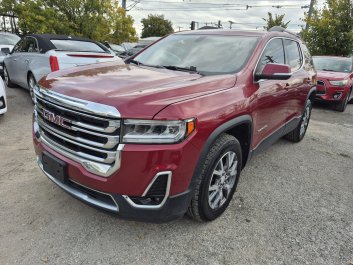
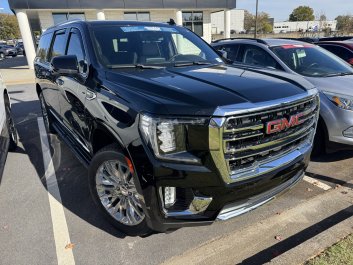
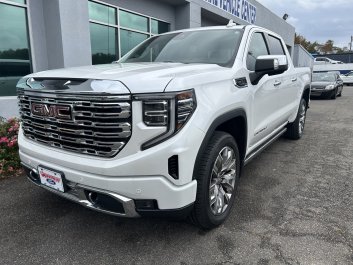
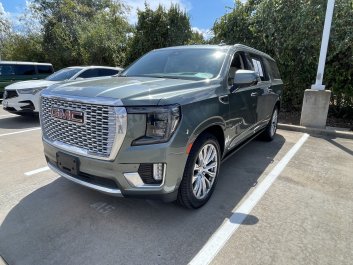
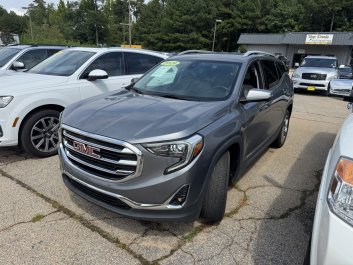
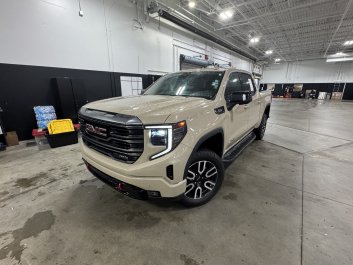
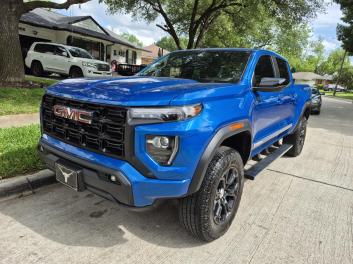
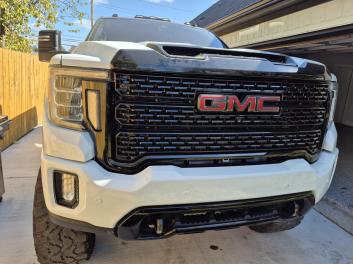
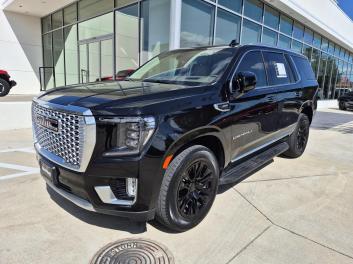
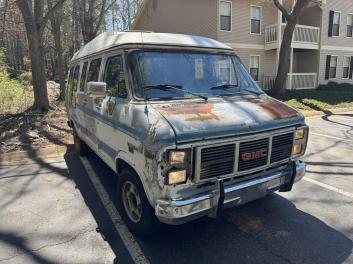
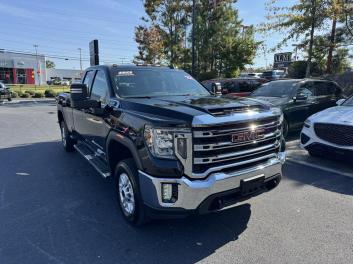
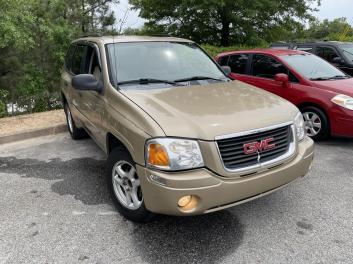

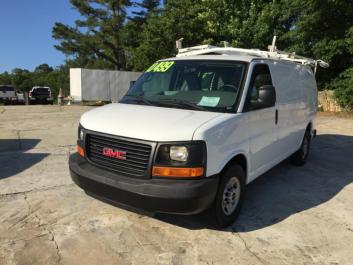
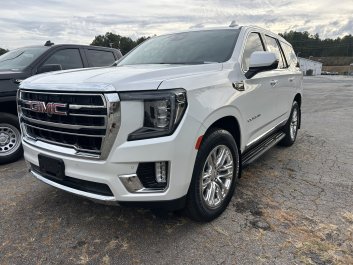
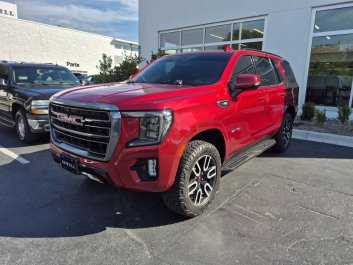
We analyzed 75 used GMCs during CarAdvisors pre-purchase inspections, revealing 371 mechanical, 135 electronic, and 378 body issues.
Longevity is how far the average car goes before its condition drops below decent (55/100): ~84k miles for GMC, 23rd of 25. Not enough inspections yet for an IRI ranking.
Compare with another brand:
Cross-shopping? GMC vs Toyota · GMC vs Honda · GMC vs Ford
GMC reliability and longevity
GMCs we inspected reach decent condition (55/100) at about 84k miles. At 100k miles, the average GMC scores 58/100, about the same as the 58 average for all cars. Shopping a GMC with 40–80k miles? That's where condition drops fastest, so a pre-purchase inspection matters most there.
- GMC average condition
- All cars
Good car percentage
Share of GMCs we inspected that scored 60/100 or higher, by mileage. Under 50k miles, 80% of GMCs were in good shape; at 100–150k it drops to 37%, versus 37% for all cars. Past 100k miles, fewer than half of the GMCs we inspect are in good shape.
Good cars by mileage
- GMC
- All cars
Share of GMCs we inspected that scored 60/100 or higher, by age. 75% of GMCs up to 5 years old were in good shape, versus 26% at 10+ years (37% for all cars at 10+). After about 6 years, fewer than half are in good shape.
Good cars by age
- GMC
- All cars
GMC models we've inspected
Recently inspected:
2020 GMC Acadia · 116k mi — flagged: oil leaks, dirty or low engine oil, fault codes recently cleared. Inspected Nov 21.
2024 GMC Yukon · 33k mi — flagged: low coolant / cooling system issues, battery condition, brake system control module. Inspected Nov 6.
Most common faults
From 506 technical issues, these are the most common ones for used GMCs, with examples of actual findings and real photos from inspection reports.
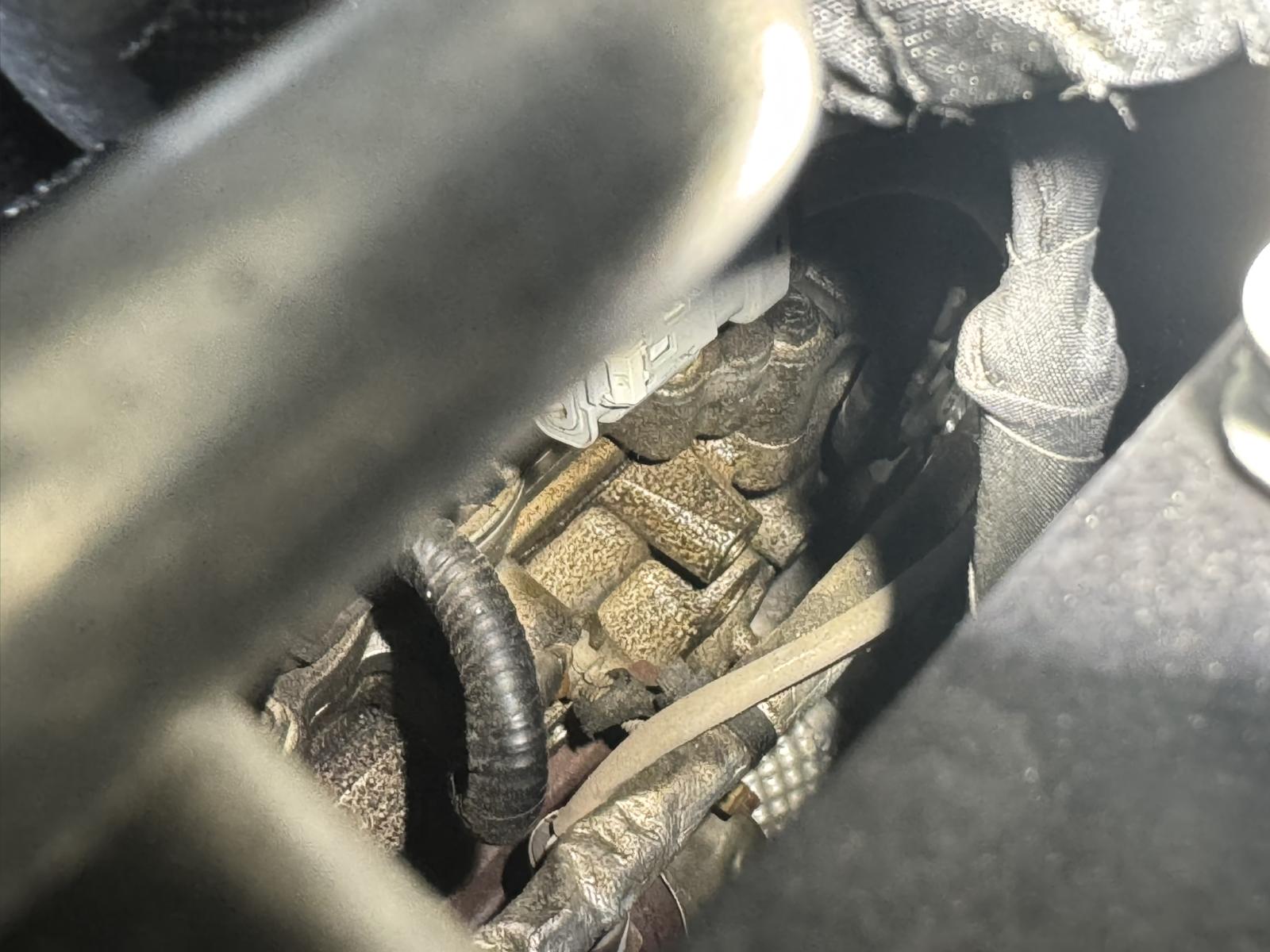
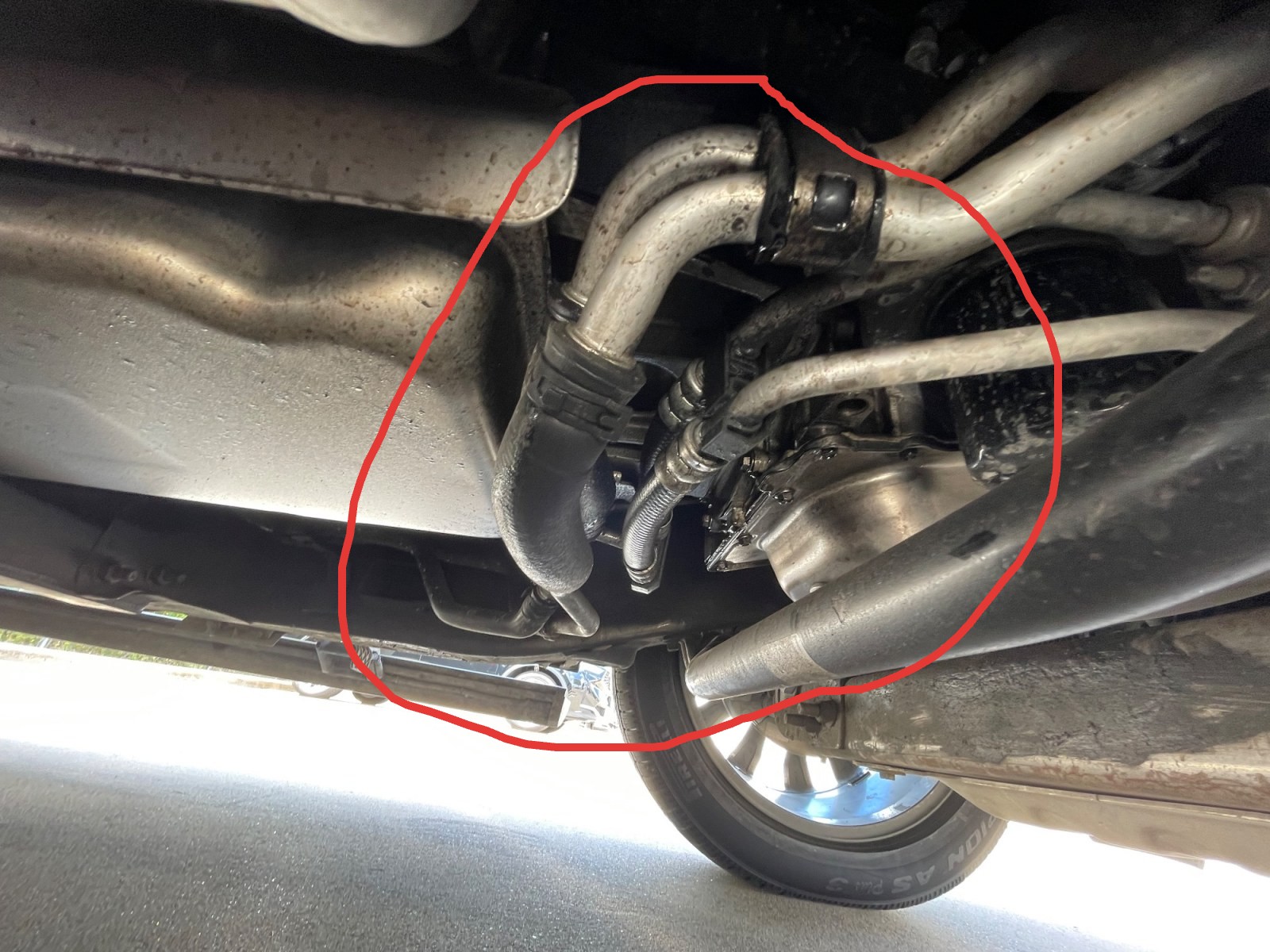
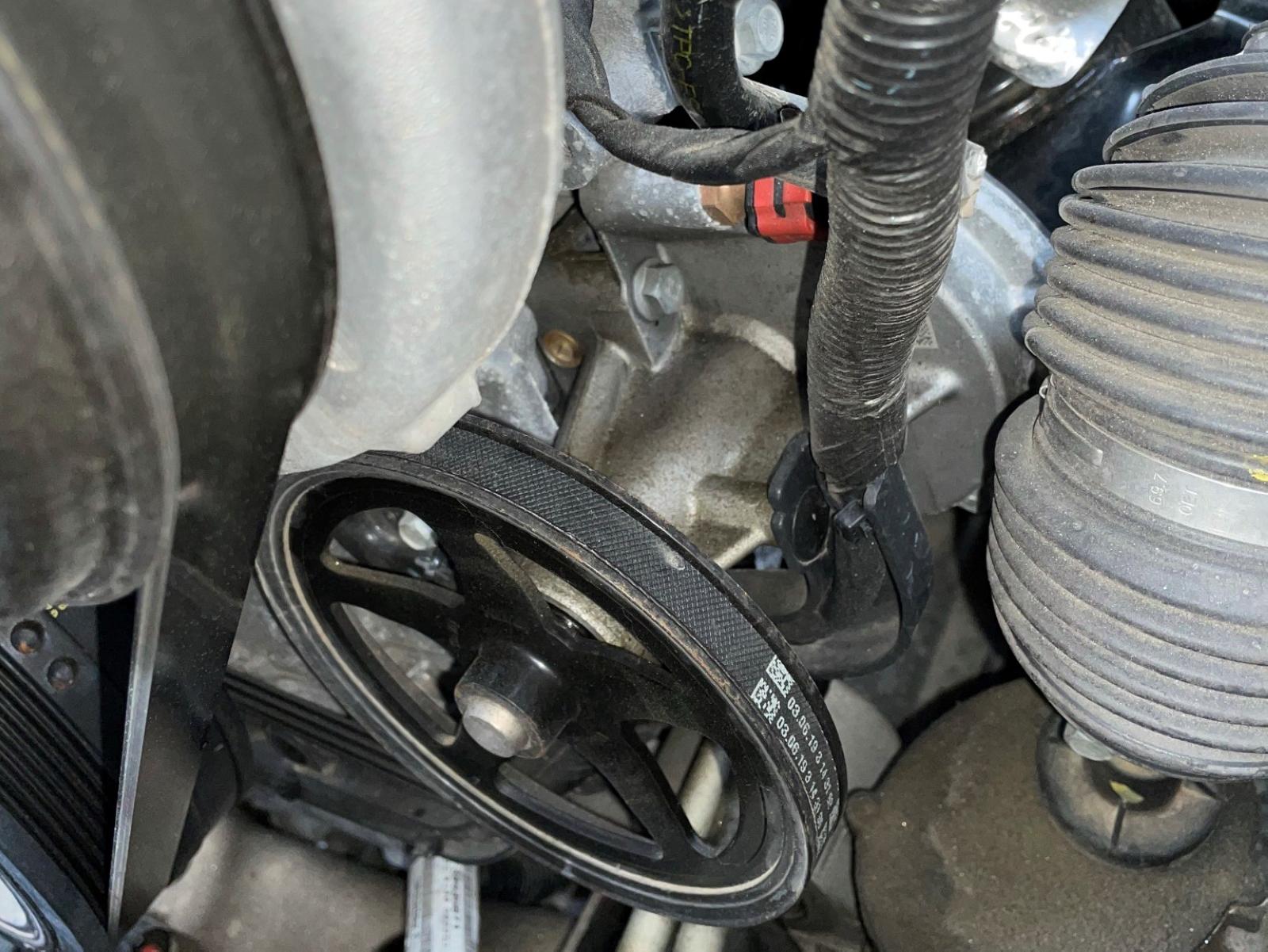
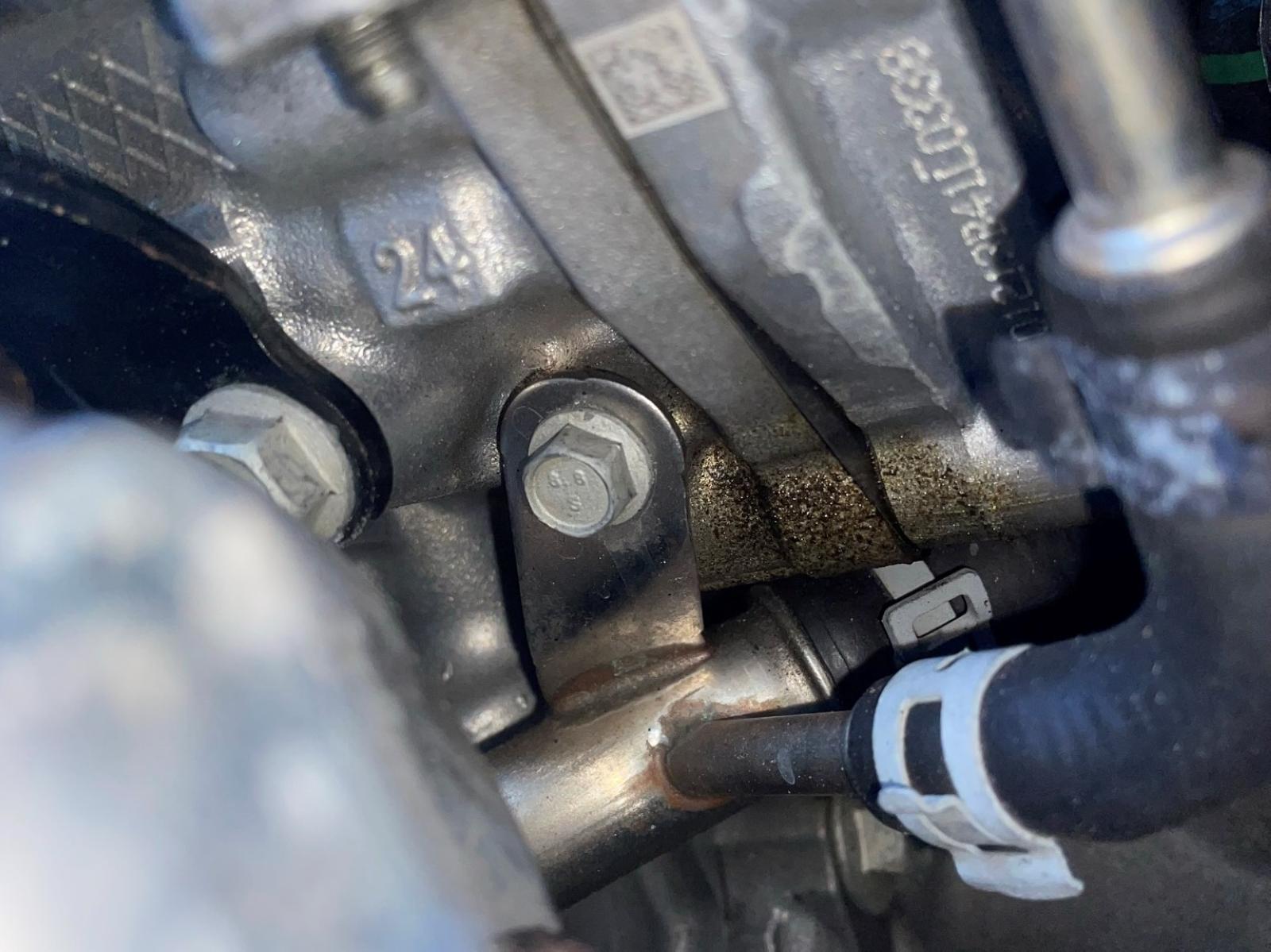
Oil leaksEngine 47%
Engine oil leaks are not cheap to fix, but, in most cases, they can't affect the car's reliability. An exception is a head gasket oil leak, which may indicate more serious issues in the future.
Typical findings
- Oil pan leak
- Possible rear main seal leak (oil residue between the engine and transmission)
- Valve cover gasket oil leak
Active error codesElectronic equipment 41%
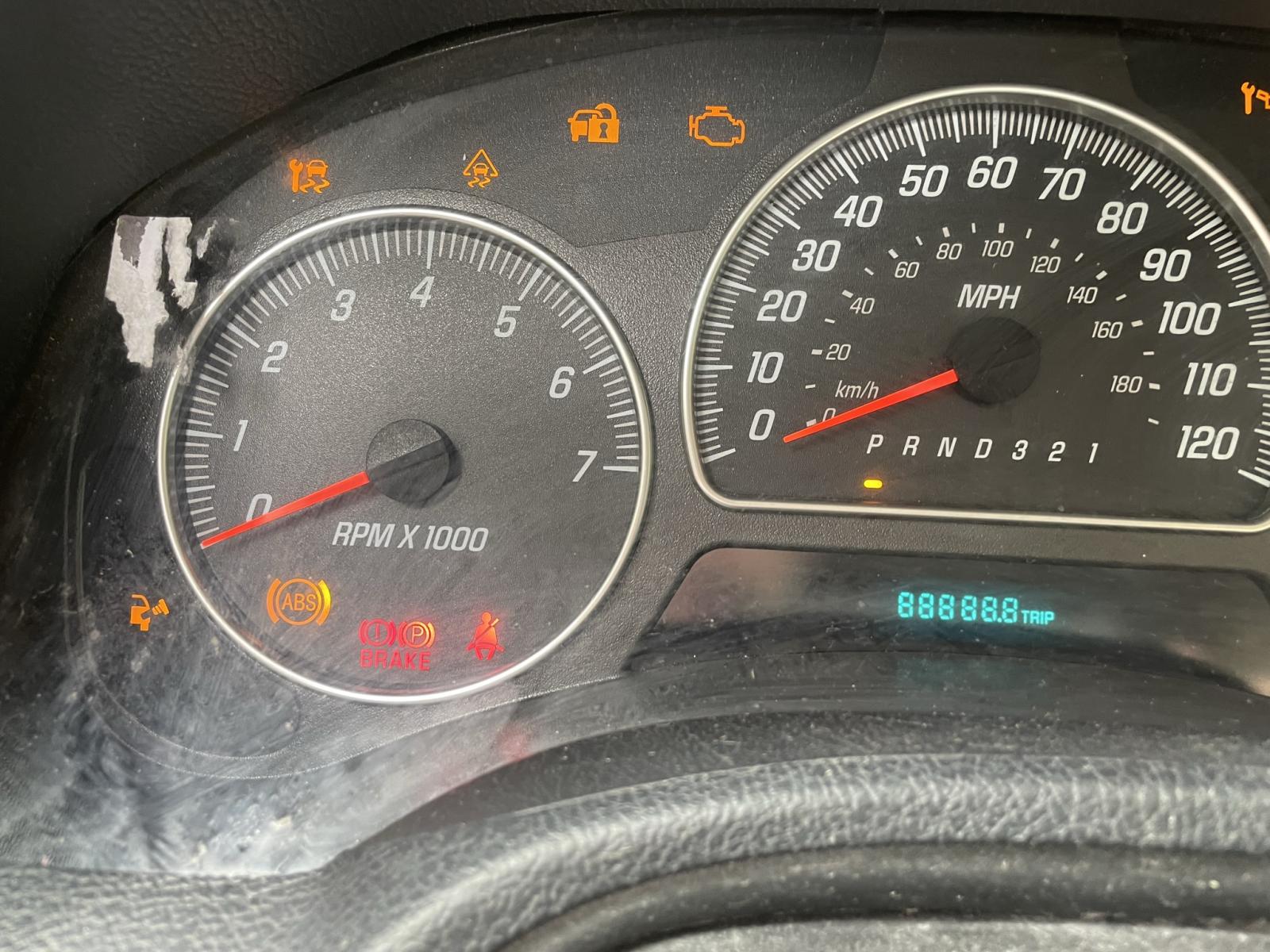
An active error code is a fault the car's computer reported during the scan and that was still present, not an old code sitting in memory. It can be a warning light or a lost sensor, and some of these are a repair worth pricing before you buy.
Typical findings
- Tire-pressure sensor fault
- Seat lumbar horizontal position sensor circuit short to ground or open
- Audio output 5 circuit open
Fuel trim out of rangeEngine 39%
The main factor that shows a general condition of the engine: intake, fuel, ignition systems. Ideally, it should be around 0% which means that all system work as expected. Acceptable fluctuation +/-5%. Bigger values indicate that ECU had to increase or decrease fuel injection due to some issues in order to keep the optimum air-fuel ratio.
Readings we found: -30.4% to +15.6%
Tires condition & wearBrakes and tires 37%
The overall condition and remaining tread of the tires, including uneven or excessive wear. Worn or mismatched tires are an immediate cost, and an unusual wear pattern often reveals an alignment or suspension problem underneath.
Typical findings
- Tires will need replacement soon
- All tires are cracked ( no need replacement)
- Tires need replacement
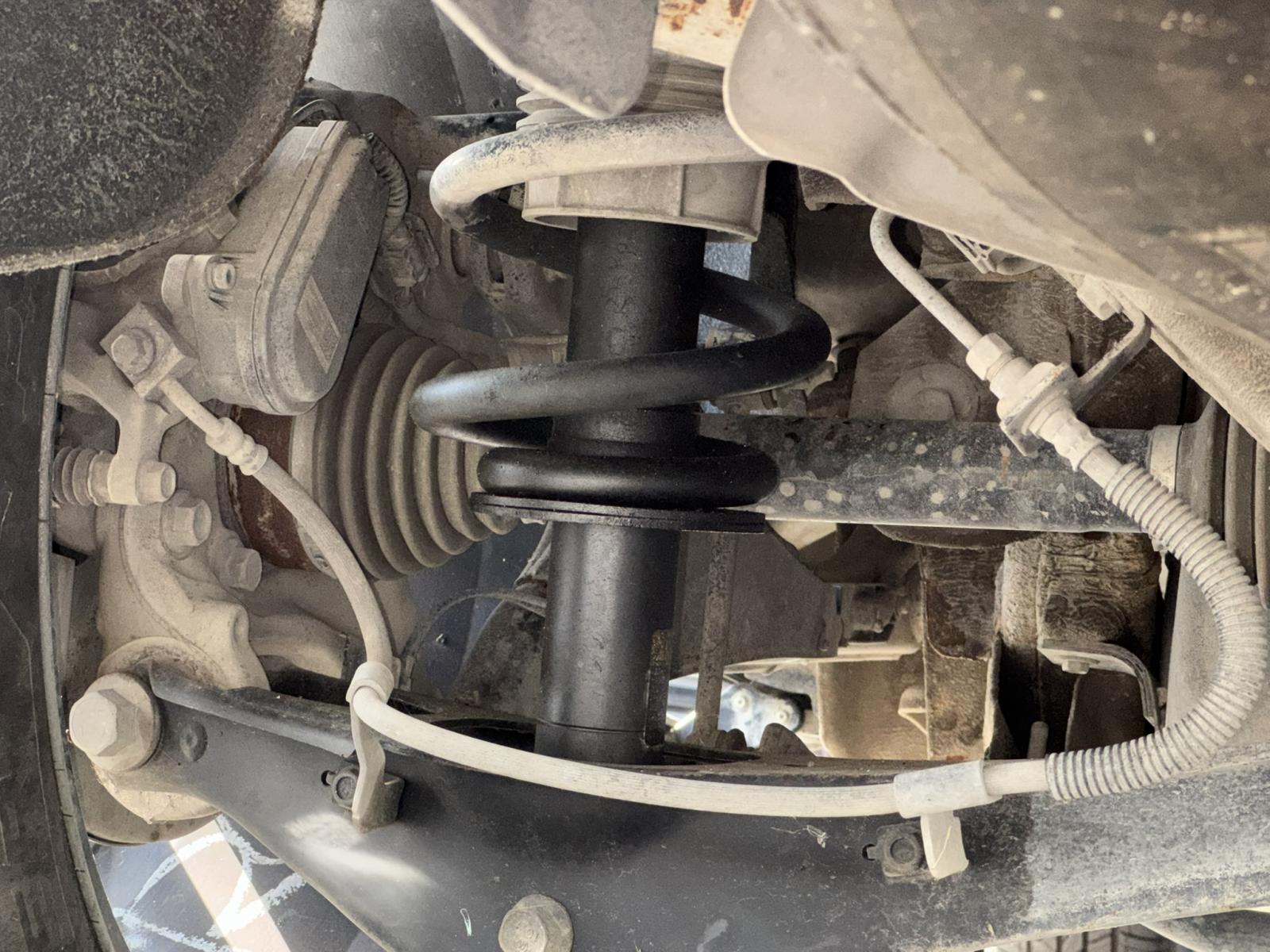
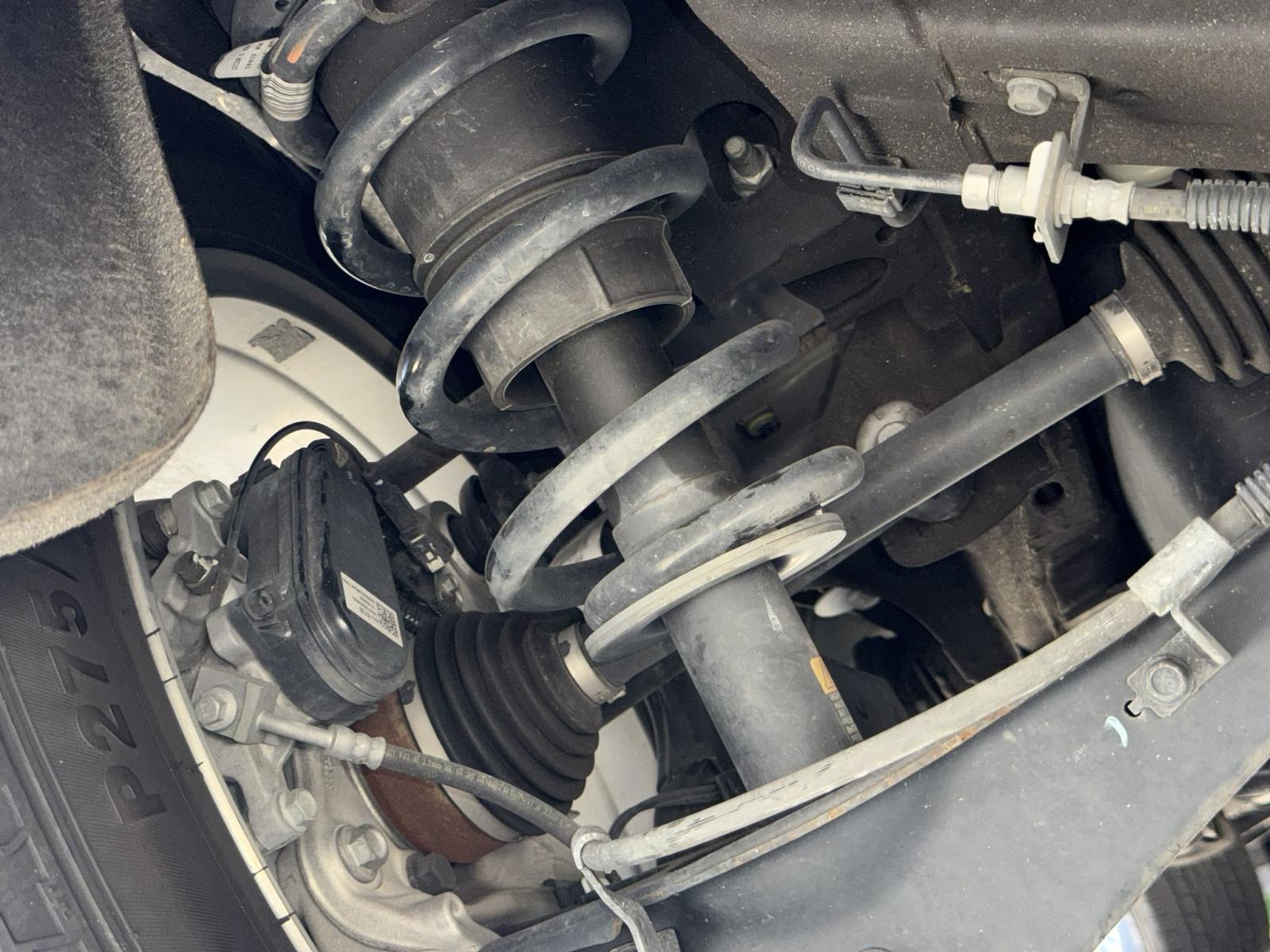
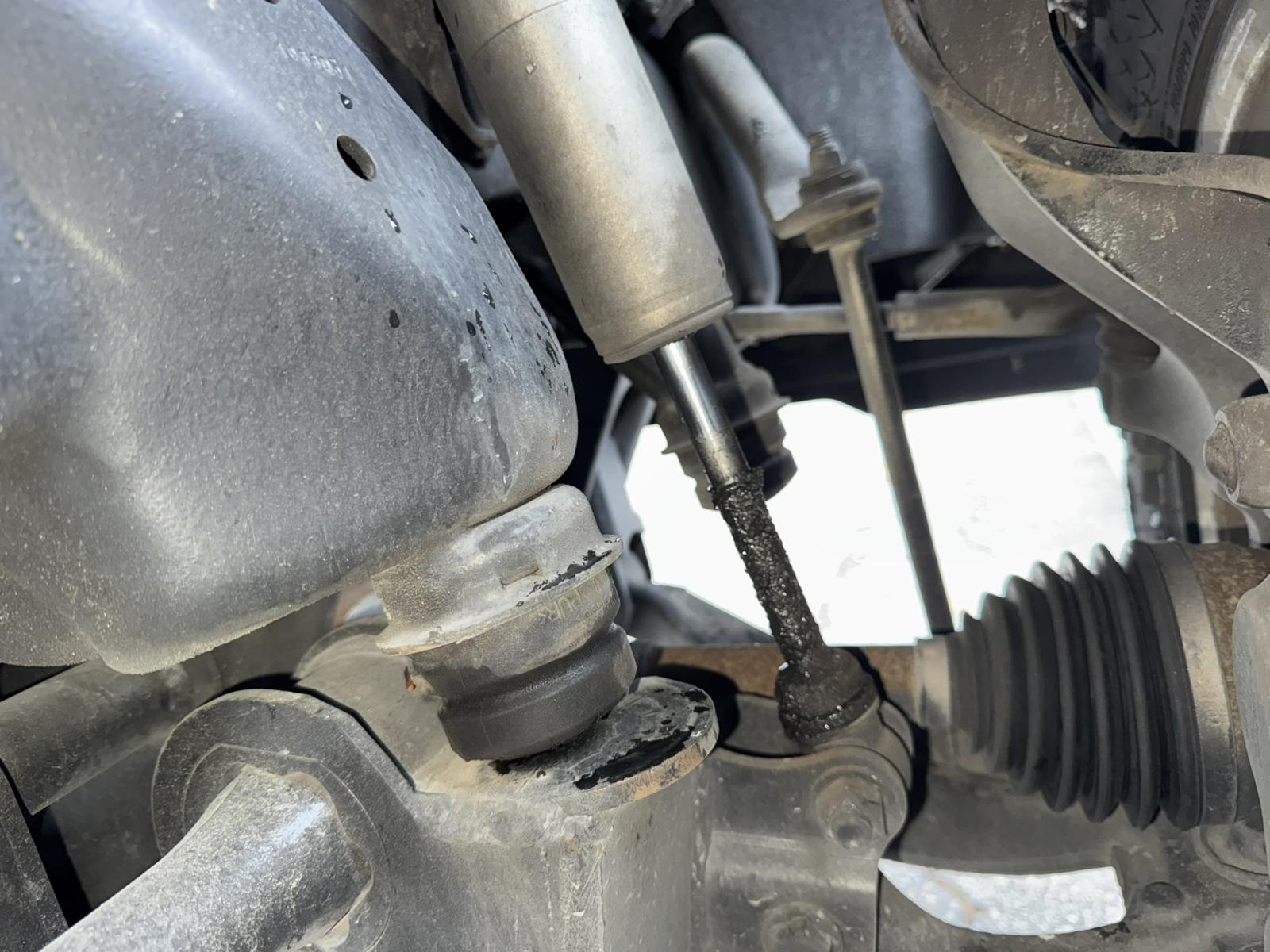
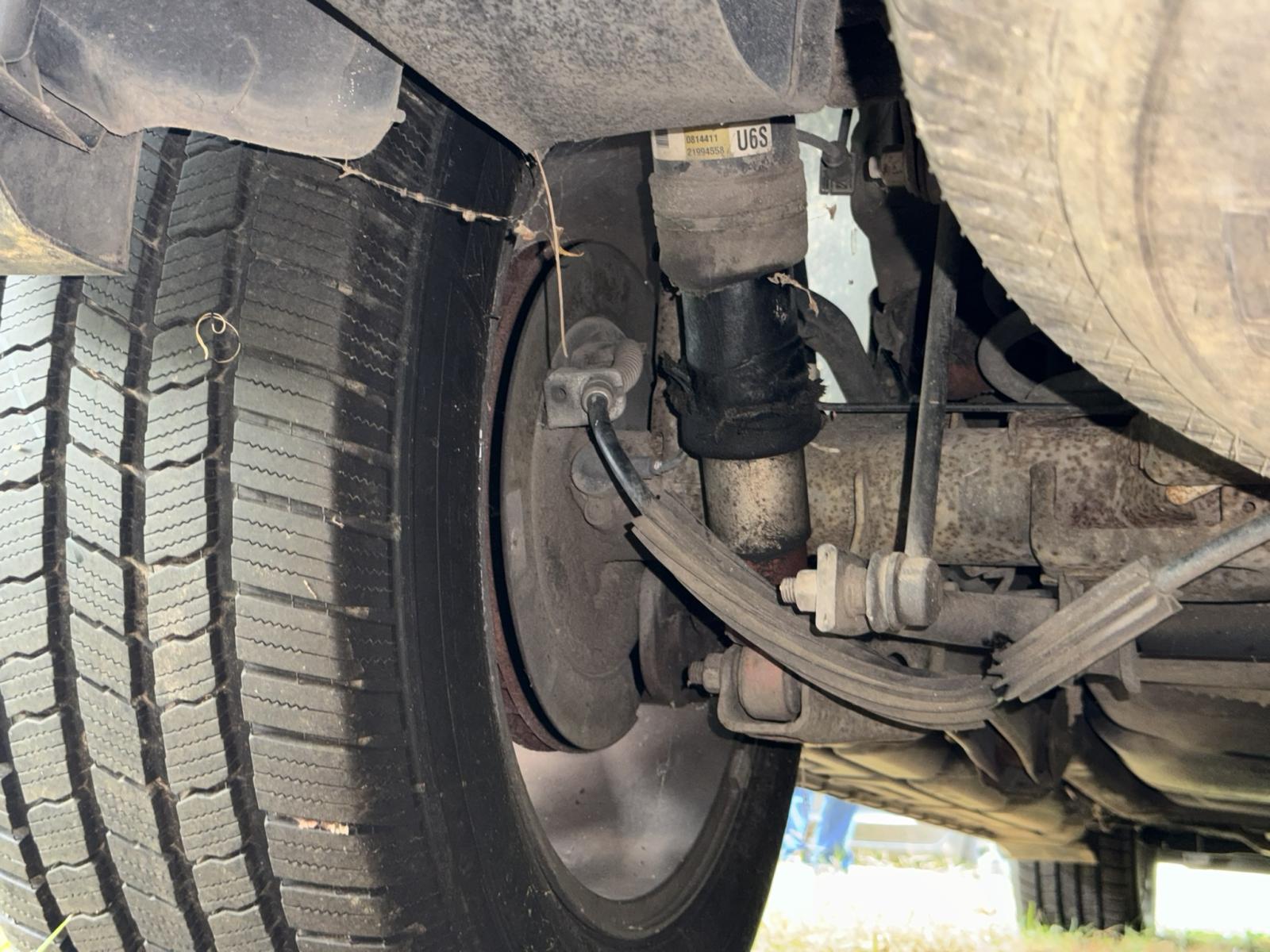
Leaking or worn shock absorbersSuspension 24%
The dampers that control body movement over bumps. Leaking, worn or weak shocks lengthen stopping distances, hurt stability and wear tires unevenly, and are usually replaced in pairs.
Typical findings
- Rear left shock absorber is leaking
- Torn boots on the front shock absorbers
- Rear shock absorbers are leaking
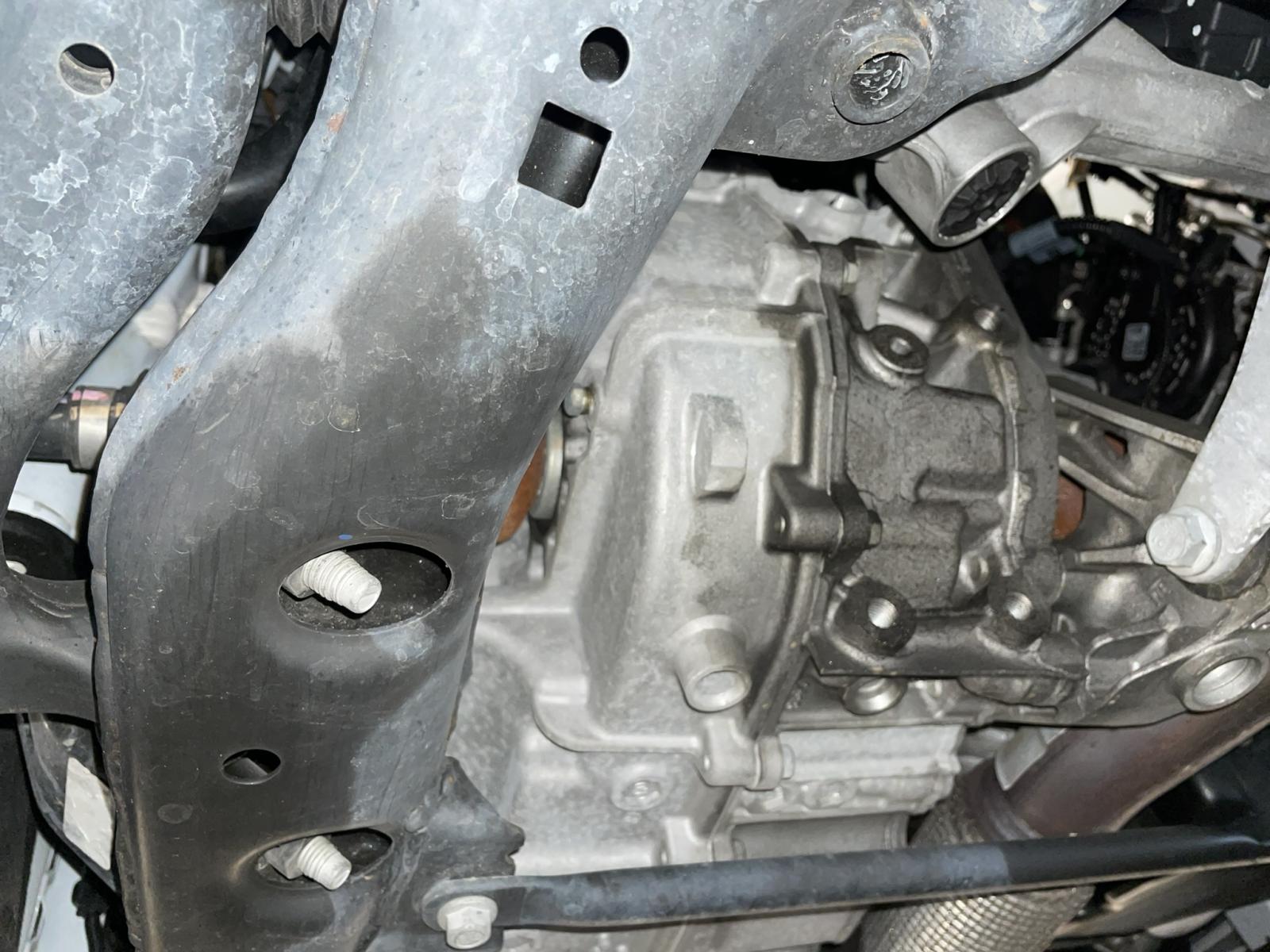
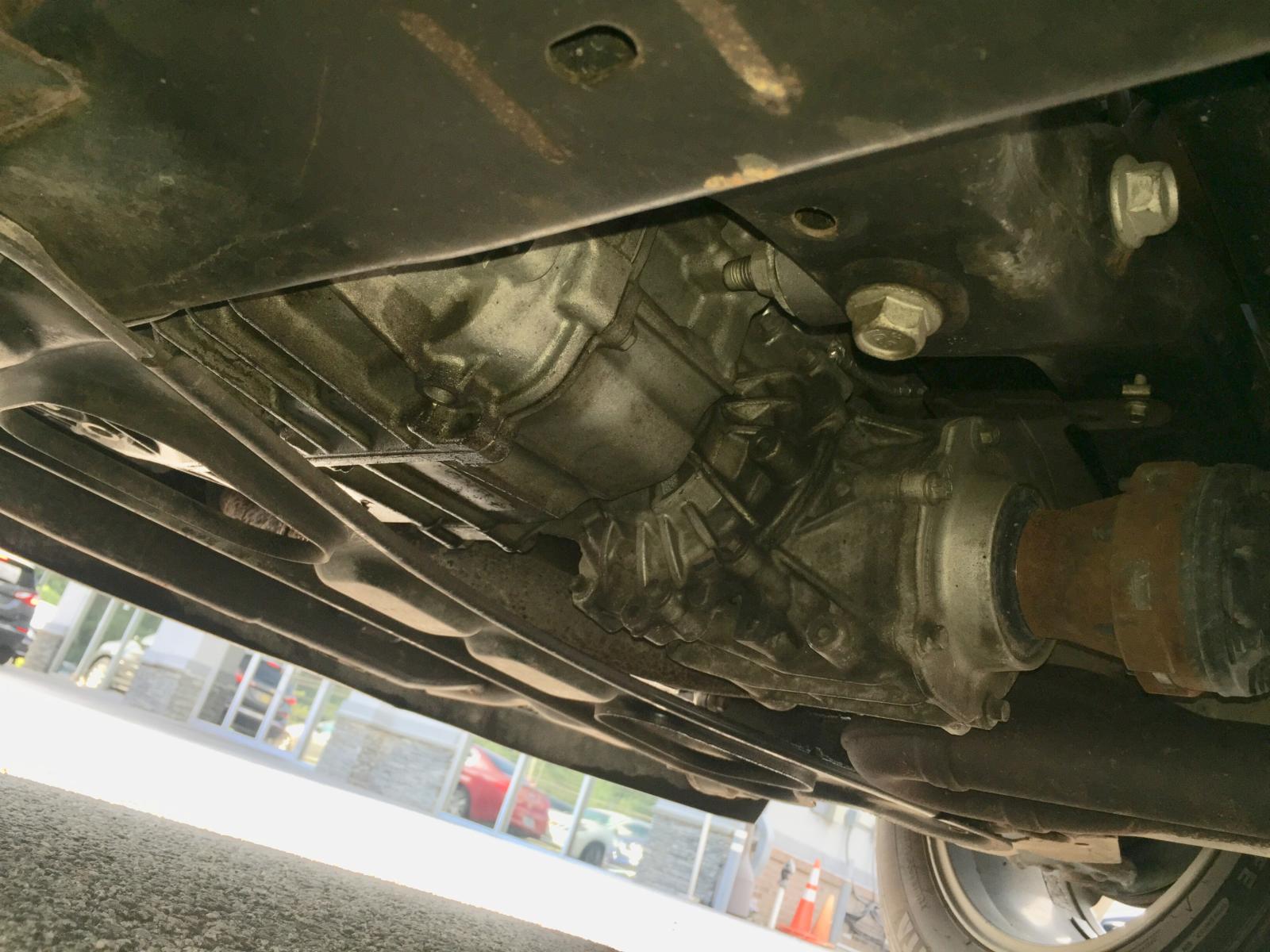
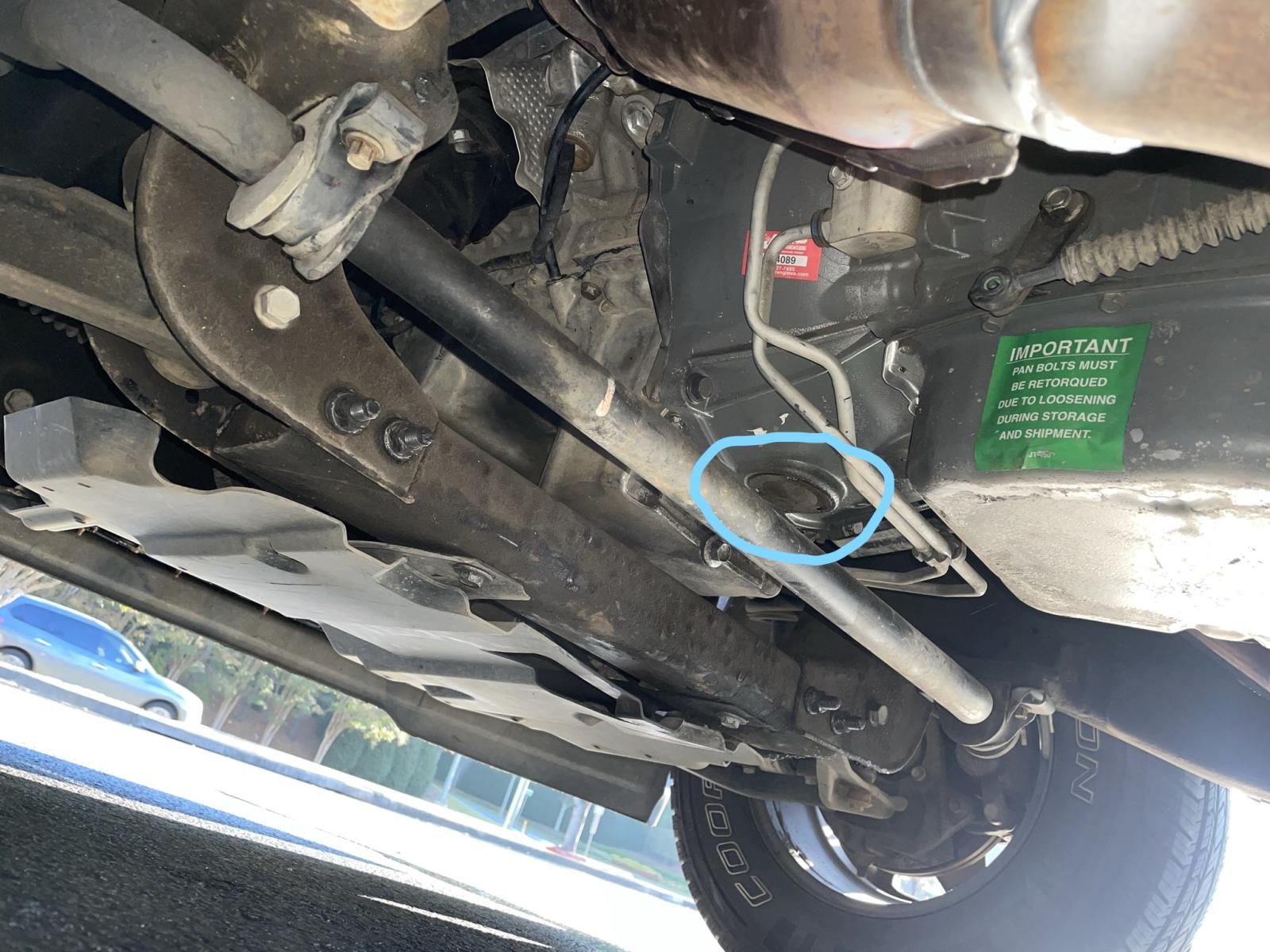
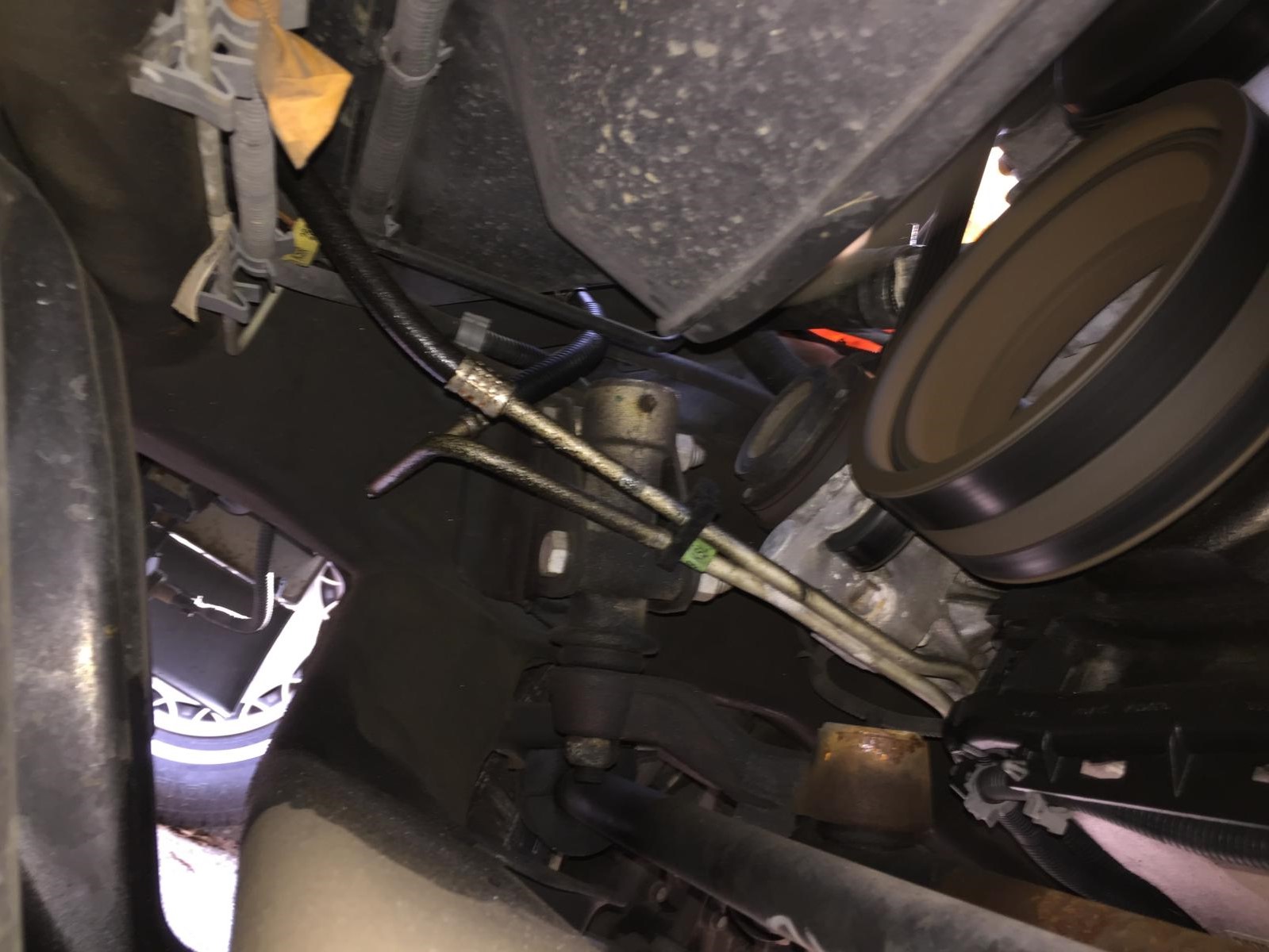
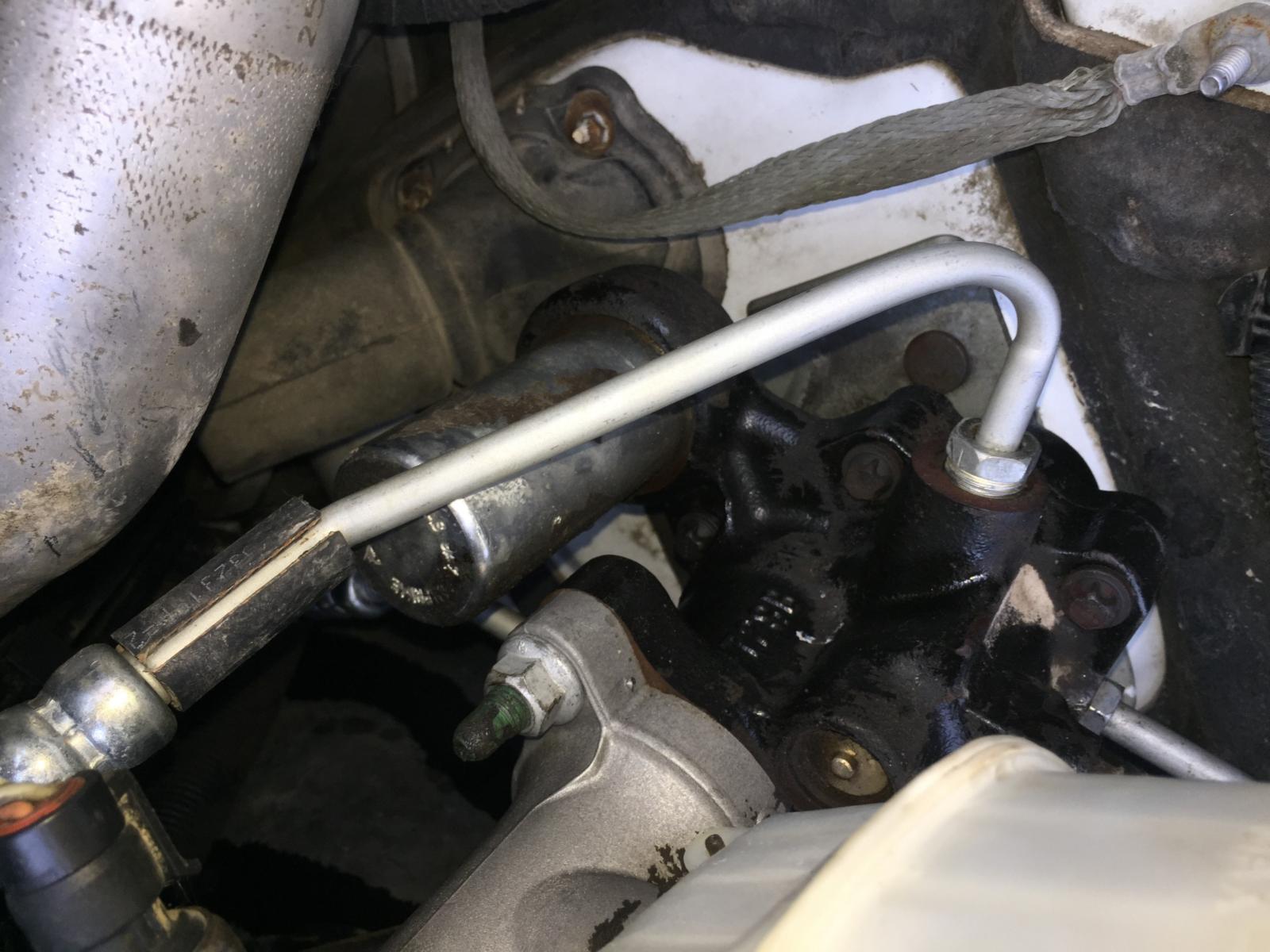
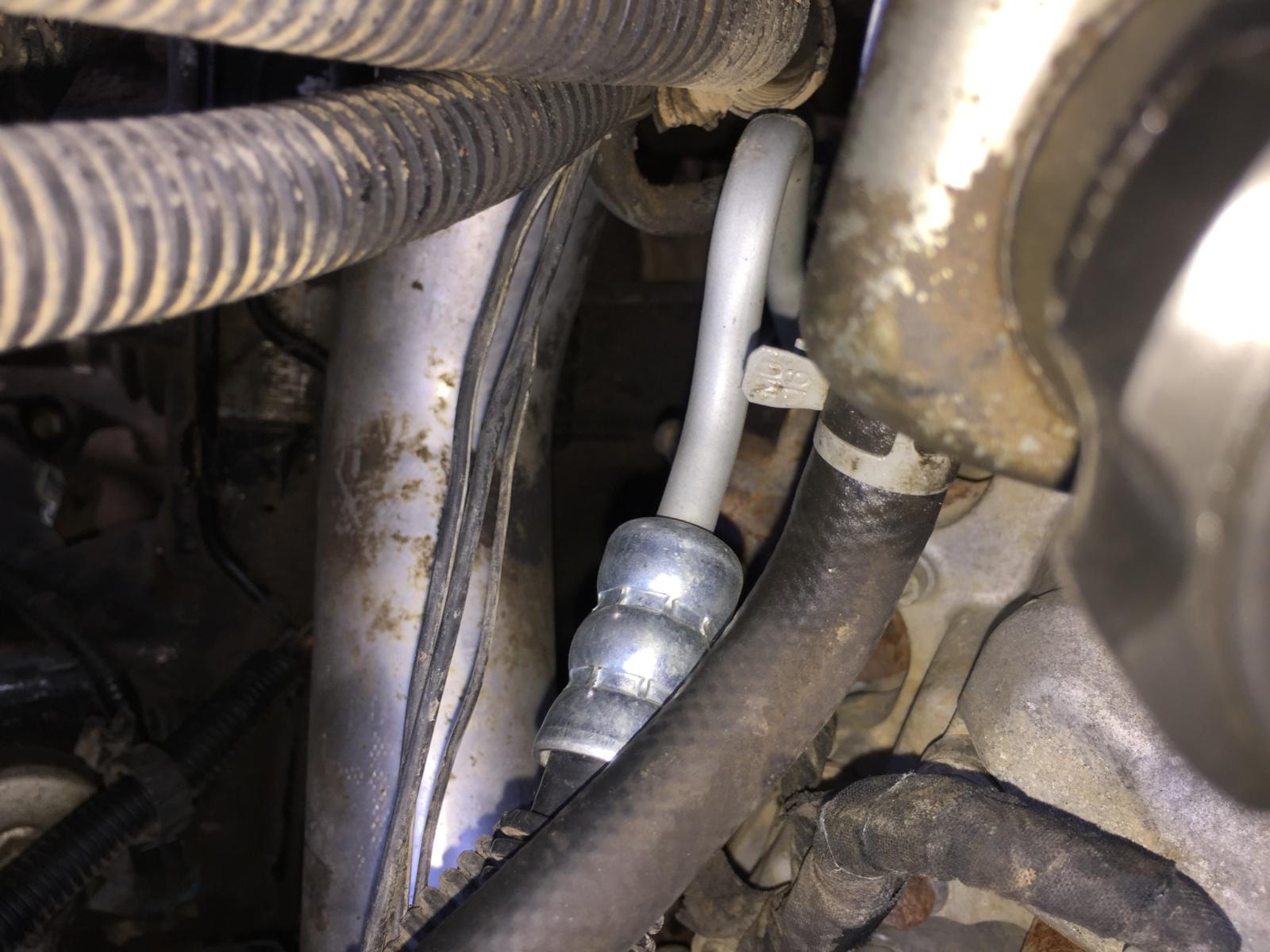
Oil leaksAutomatic transmission 23%
Leaks of transmission fluid, usually from the pan gasket, seals or cooler lines. Running low from an untreated leak is a common cause of harsh shifting and, eventually, expensive transmission failure.
Typical findings
- Cooling line hose leak
- Oil pan leak
- Oil residue on the transmission housing
Body control moduleEquipment 21%
Typical findings
- C0760-03 (left rear tire pressure sensor low voltage signal)
- B3109-00 (key fob 1 battery low)
- B3110-00 (key fob 2 battery low)
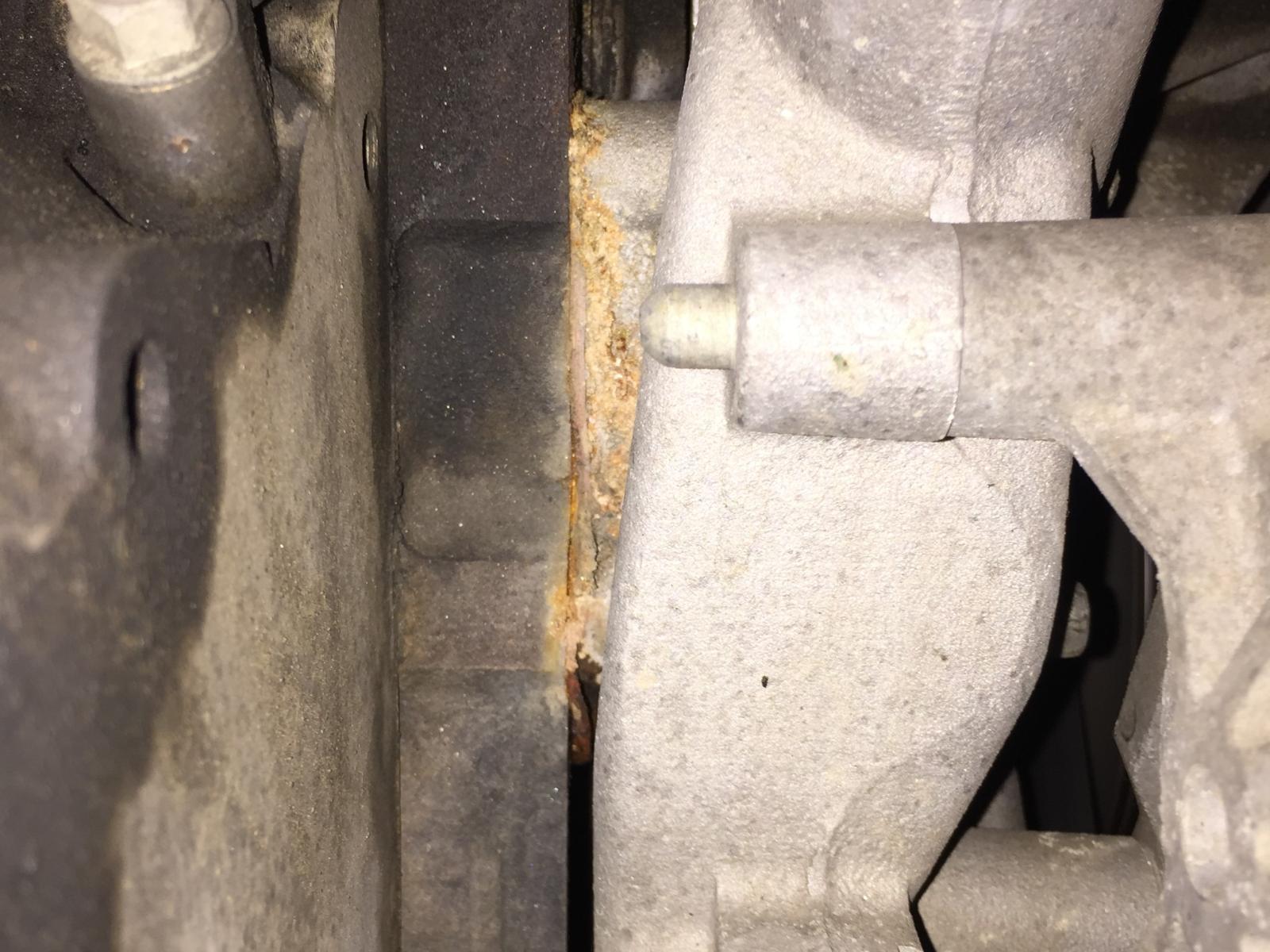
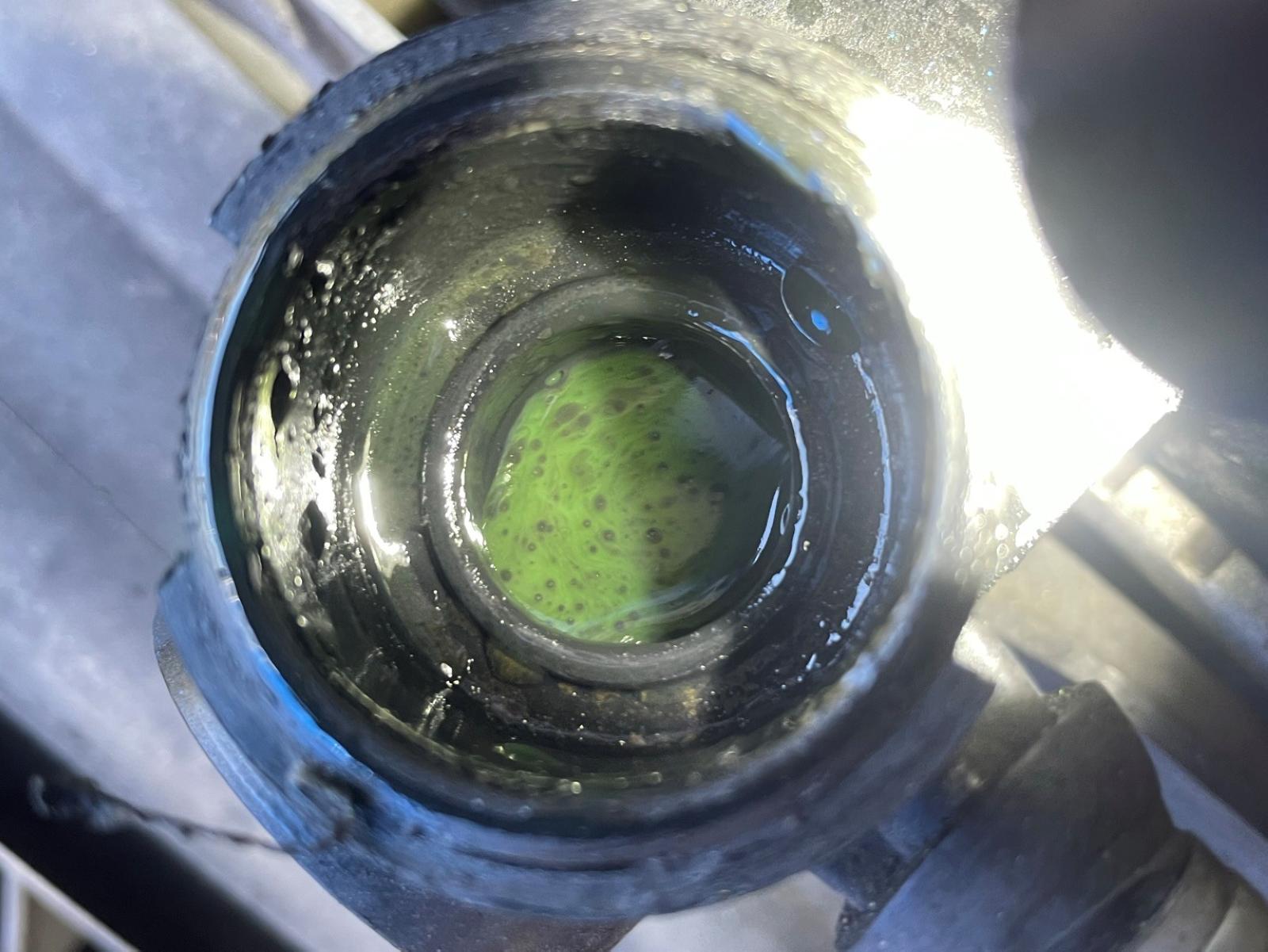
Low coolant / cooling system issuesEngine 21%
In most cases, cooling system issues are not expensive to fix, but ignoring them can cause engine overheating, leading to major problems like a blown head gasket or even damaged piston rings.
Typical findings
- Low coolant level
- Coolant level below minimum
- Radiator leak
Lights not workingEquipment 17%
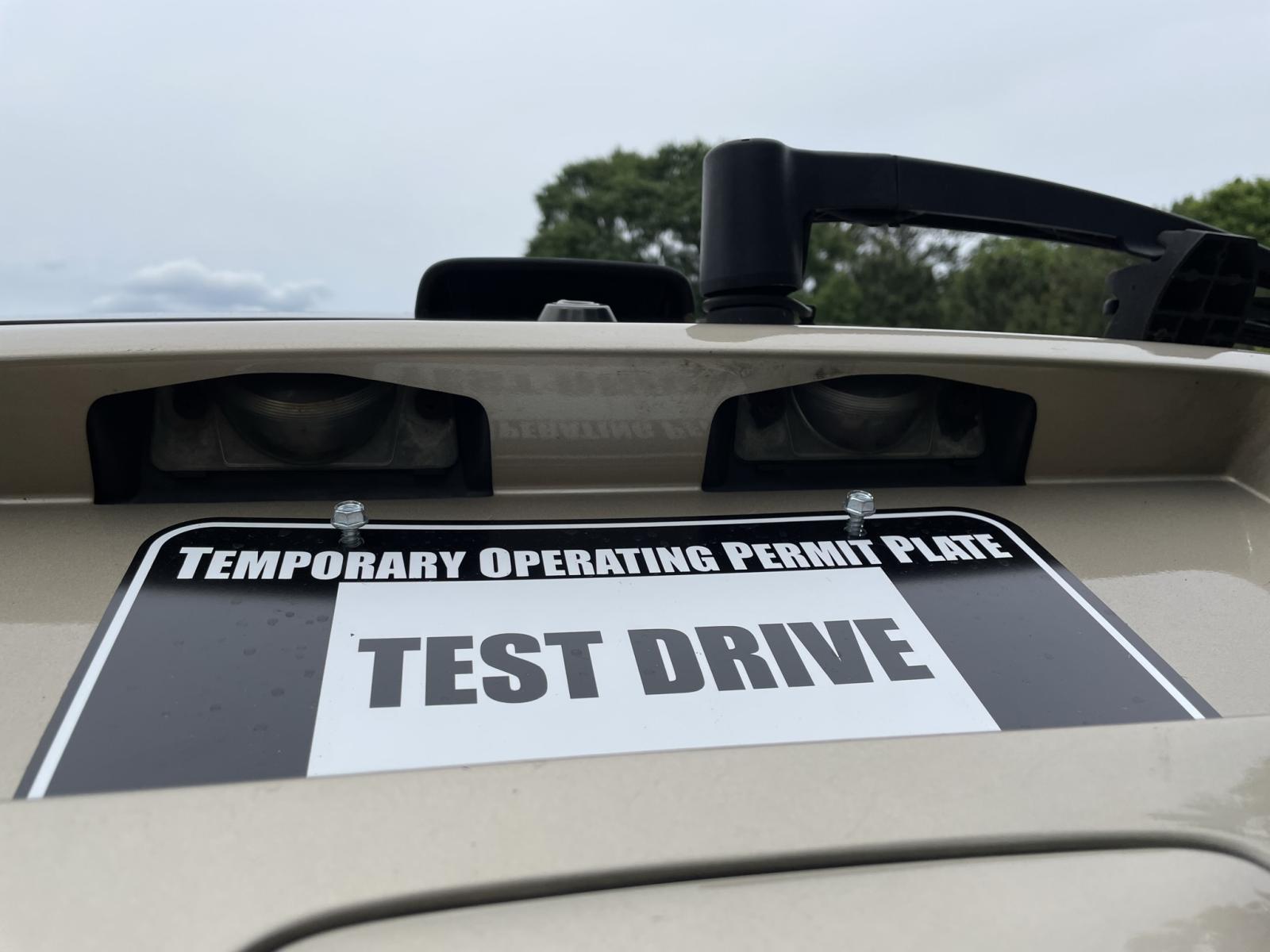
A check that the exterior and interior lights work — headlights, brake lights, turn signals, reverse and plate lights. A dead bulb is trivial, but a circuit that does not work can point to wiring or module faults and is an instant registration or safety issue.
Typical findings
- License plate lights don't work
- Right fog light doesn't work
- Left fog light doesn't work
Steering backlashSteering (hydraulic power) 17%
The free play at the steering wheel before the wheels respond. Excessive play points to wear in the steering rack, joints or linkage and makes the car feel vague and imprecise.
Typical findings
- Present
Market condition
This is the distribution of condition for the used GMCs we inspected, next to all cars we check.
GMC
Excellent 23%
Good 27%
Mediocre 24%
Poor 27%
All cars
Excellent 26%
Good 30%
Mediocre 24%
Poor 20%
Average condition: GMC 57/100 · all cars 62/100. In good shape (60+): GMC 50% · all cars 56%.
Hidden history
Share of inspected cars. Lower is better, and a point or two is a tie.
Repainted or replaced panel
GMC
73%
All cars
74%
Structural repair found
GMC
4%
All cars
4%
Significant corrosion
GMC
3%
All cars
3%
Fault codes recently cleared
GMC
31%
All cars
24%
The bottom line
GMC is an uneven used buy you should not trust on miles alone: scores run from solid to poor in nearly equal shares, and longevity sits at ~84k miles, 23rd of 25. What shows up is paint and powertrain trouble, not structural repair—repainted panels on 73% of cars, oil leaks on 47%, and active error codes on 41%, with fuel trim out of range, worn tires, and leaking shocks close behind. Walk if leaks meet cleared codes; otherwise negotiate for repaint history, tires, and suspension. A pre-purchase inspection should focus on oil leaks, live codes and fuel trim, repainted panels, and shock and tire wear.
FAQ
?
?
How long do GMCs last?
The GMCs we inspect typically stay in decent condition (55/100 or better) until about 84k miles, 23rd of 25 makes.
?
What are the most common problems with a used GMC?
Across the GMCs we inspected, the items we flag most often are oil leaks (47%), active error codes (41%), fuel trim out of range (39%).
?
How does GMC rank against other brands?
GMC doesn't have enough inspections yet for an IRI ranking; longevity is ~84k miles, 23rd of 25.
Thinking of buying a GMC? Get the exact car inspected before you pay.
Book an inspection
Based on 75 inspections · updated Nov 27, 2026
